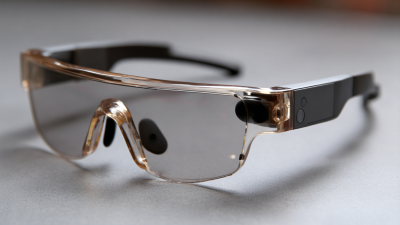
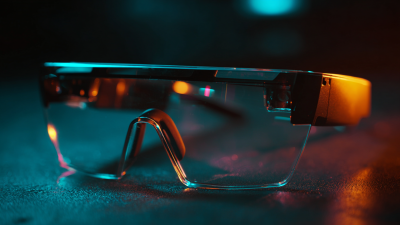
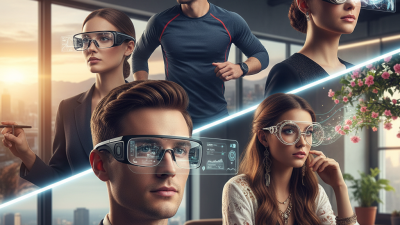
2026 Top Digital Eyewear Trends What to Expect?
The world of Digital Eyewear is evolving rapidly. As we move toward 2026, new technologies are set to transform how we interact with our environment. These advancements promise stunning features, but they also raise questions about privacy and dependence.
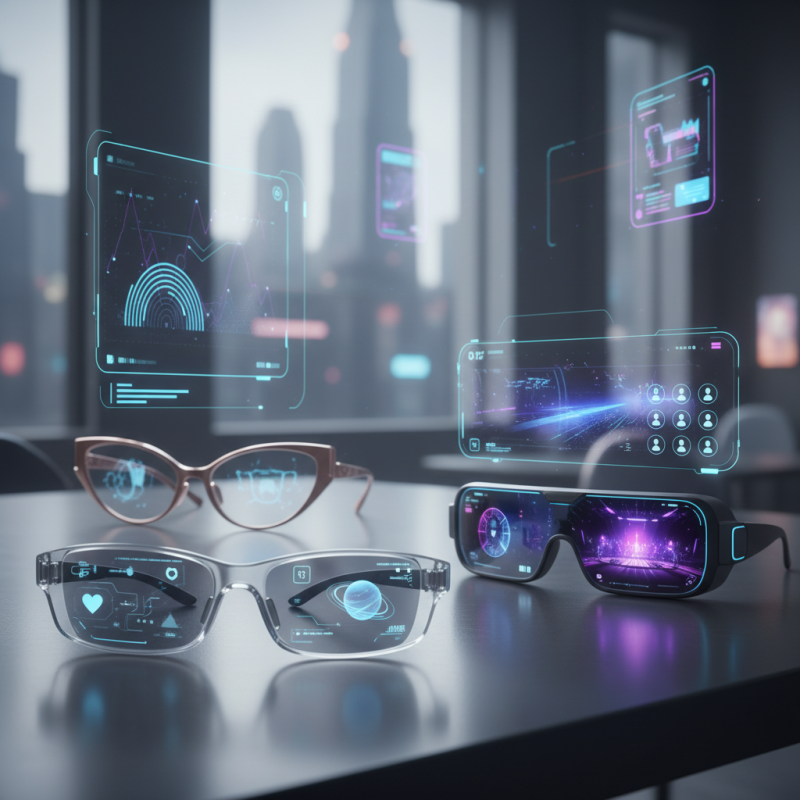
Imagine glasses that provide augmented reality experiences seamlessly integrated into daily life. Smart displays, health tracking, and immersive entertainment will redefine user experiences. Yet, will users fully embrace these changes? The balance between innovation and personal space remains delicate.
We may also witness varied styles catering to diverse tastes. Users will demand fashion and functionality. However, will the push for trendy designs compromise comfort and usability? As we look ahead, the Digital Eyewear landscape poses both tantalizing opportunities and challenges that require thoughtful consideration.
Emerging Technologies Shaping Digital Eyewear in 2026
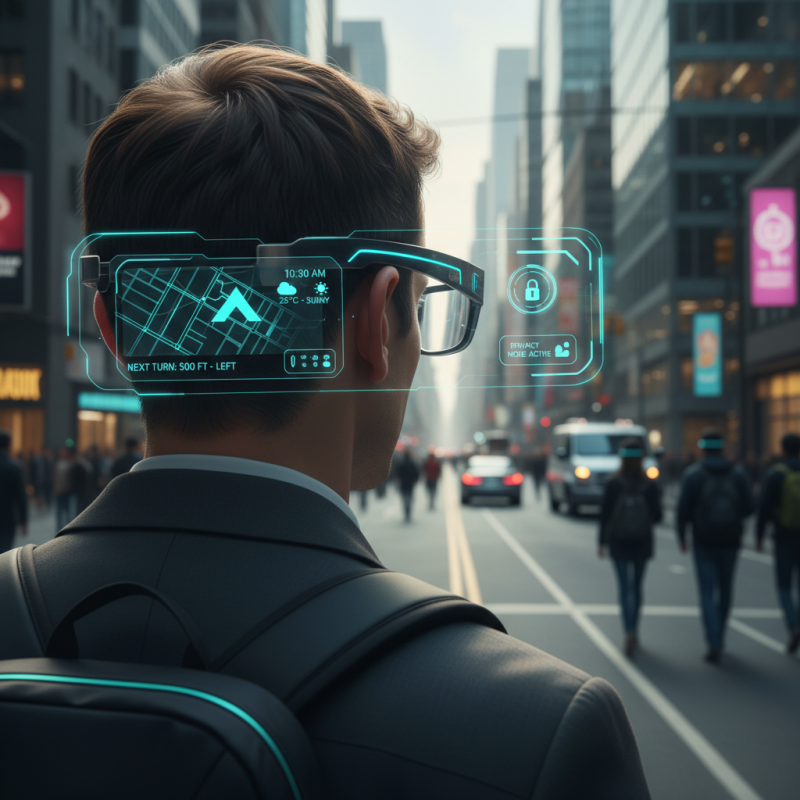
As we look to 2026, digital eyewear is positioned for a transformation fueled by emerging technologies. The integration of augmented reality (AR) and virtual reality (VR) will enhance user experience significantly. Imagine walking down the street while receiving real-time navigation cues displayed right before your eyes. It's not just a dream. This capability is becoming increasingly plausible, yet raises questions about privacy and distraction.
Another exciting aspect is the development of smart lenses. These lenses could track health metrics, like heart rate or blood sugar levels, without you even noticing. Picture the convenience of monitoring your well-being while you go about your day. Such innovations could bridge gaps between technology and daily life. However, one must reflect on the data security concerns that might arise.
Moreover, sustainable materials are emerging in the production of these devices. This could reduce environmental impact. Yet, transitioning to these materials poses challenges. The durability and functionality of new substances remain uncertain. As we embrace these technologies, it’s crucial to ask ourselves: are we ready for this shift? The answer is not straightforward.
Key Features and Functionalities of Future Digital Eyewear
The future of digital eyewear is exciting. By 2026, we can expect smart glasses with enhanced functionalities. Think about augmented reality. Users will interact with their environment in real-time. Navigation prompts will appear directly in their line of sight. This could transform daily commutes and outdoor activities.
Moreover, advanced health features are on the horizon. Future eyewear may monitor vital signs. They could track heart rate and stress levels. Imagine receiving notifications about your physical state. Such integrations can positively impact overall well-being. However, privacy concerns will arise. Users might feel uneasy about constant monitoring.
Another key feature will be seamless connectivity. Digital eyewear will likely sync with smartphones or smart home devices. Responses from friends and family could appear with just a glance. Despite the convenience, some might find this overwhelming. Balancing technology and personal space will become crucial. Navigating these challenges will define the landscape of digital eyewear.
Style and Design Trends for Digital Eyewear in 2026
In 2026, digital eyewear will embrace bold styles and innovative designs. Expect frames with geometric shapes, creating a striking presence. Colors will shift towards vibrant hues. Think electric blues, radiant reds, and deep greens. Texture will play a significant role. Matte finishes contrasted with glossy accents will draw attention.
Wearability is key. Comfortable materials will be crucial, but not every design will succeed. Some may prioritize style over function. Lightweight options are essential, but balancing aesthetics and comfort is a challenge.
Tech integration will redefine style. Smart features may seem intrusive in traditional designs. Yet, sleek designs that incorporate technology seamlessly will thrive. Transparency in how technology enhances daily life will matter. Expect personalized fitting through advanced measurement tools. While these designs promise innovation, some may struggle with user adaptation. This blend of aesthetics and tech presents both opportunities and challenges.
2026 Top Digital Eyewear Trends
Market Predictions and Consumer Adoption of Digital Eyewear
The digital eyewear market is evolving rapidly. By 2026, we expect significant advancements in technology and user experience. Smart glasses and augmented reality features will be more accessible. They could enhance daily tasks, such as navigation and communication. Yet, challenges remain in user acceptance.
Consumer adoption hinges on usability. Many potential users might find the technology intimidating. The interface could be complex. People may hesitate to wear devices that look bulky or unappealing. Designers must focus on aesthetics and functionality. This balance is essential for appealing to a broader audience.
Privacy concerns are also prominent. Users may worry about data security. Questions arise about how their data is used. This skepticism can deter adoption rates. Transparency from manufacturers is crucial. Clear communication will build trust. As technology advances, so will the need to address these issues openly.
Challenges and Considerations in Digital Eyewear Development
As digital eyewear continues to evolve, several challenges arise in its development. The integration of augmented reality (AR) and virtual reality (VR) into eyewear can complicate user experience. A study by Global Market Insights projected a compound annual growth rate of 23% for the AR eyewear market from 2021 to 2027. This growth brings the pressure of creating seamless user interfaces. User adaptation to new technology is often slow; comfort and usability are critical.
Another concern is data privacy. Digital eyewear can collect vast amounts of personal data. According to a report by Statista, over 70% of consumers worry about privacy when using smart devices. This concern can hinder adoption. Brands must address these fears transparently. Ensuring secure data collection and providing clear privacy settings will be essential.
**Tips:** Focus on user experience. Test prototypes with real users for feedback. Encourage a culture of innovation. Encourage team discussions on potential user frustrations. Collecting insights can guide meaningful adjustments to design and functionality. This iterative approach may not yield perfect solutions at first, but it fosters continuous improvement.
2026 Top Digital Eyewear Trends What to Expect? - Challenges and Considerations in Digital Eyewear Development
| Trend |
Description |
Challenges |
Considerations |
| Augmented Reality (AR) Integration |
Enhancement of user experience through AR overlays. |
Technical limitations in real-time processing. |
User interface design for seamless interaction. |
| Enhanced Connectivity |
Integration with IoT devices for a connected experience. |
Data security and privacy concerns. |
Reliable connectivity options for users. |
| Sustainable Materials |
Use of eco-friendly materials in production. |
Cost-effectiveness of sustainable sourcing. |
Balancing sustainability with design aesthetics. |
| Health Monitoring Features |
Integration of health tracking capabilities. |
Regulatory compliance for health-related devices. |
User acceptance and understanding of features. |
| Smart Lens Technology |
Lenses that adjust tint and focus automatically. |
Durability and battery life of smart lenses. |
Cost implications for consumers. |
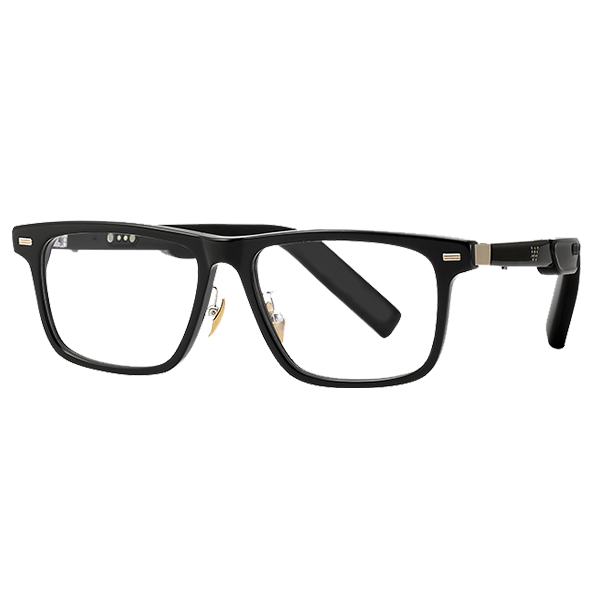 Smart Glasses
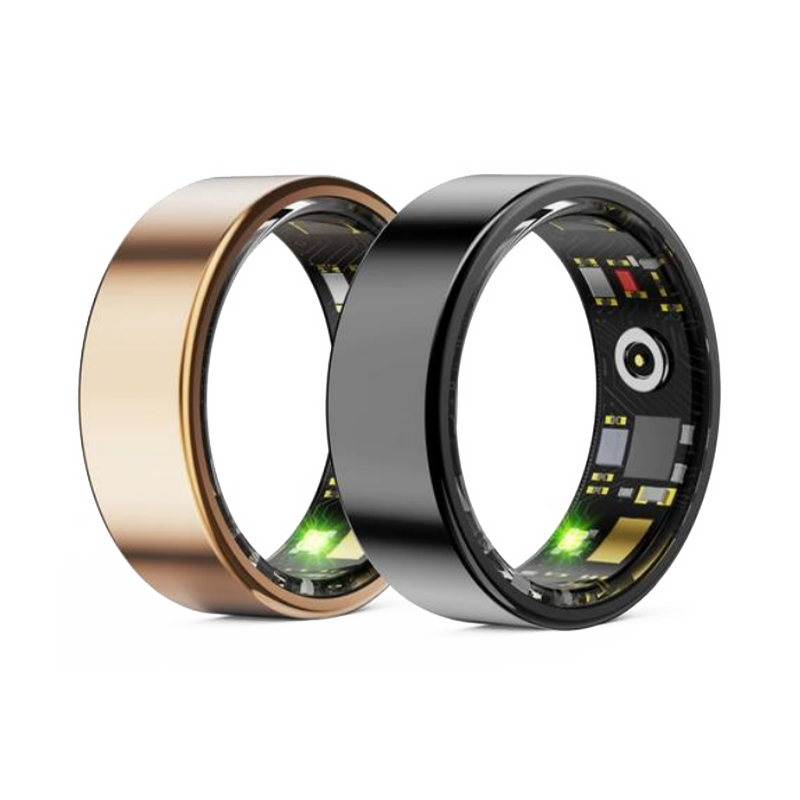 Smart Ring
 Smart Locator


 +86-13613020876

 CONTACT NUMBER
 CONTACT NUMBER