What are the Benefits of Smart Glasses Technology for Businesses?
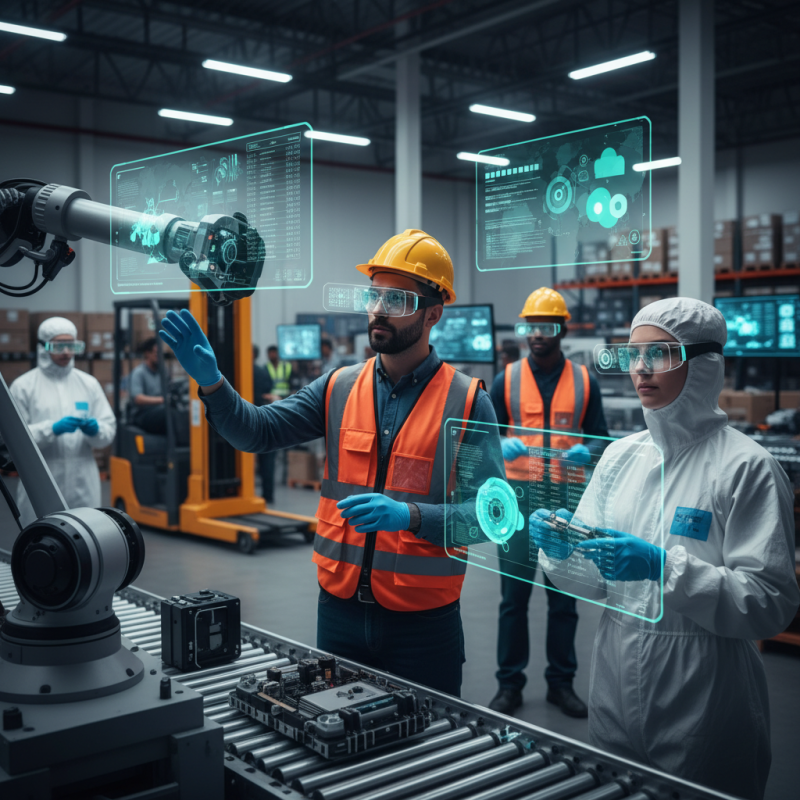
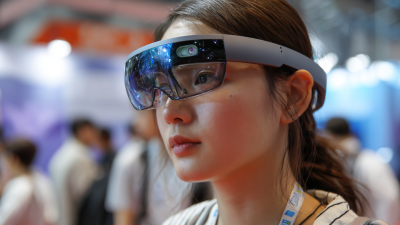
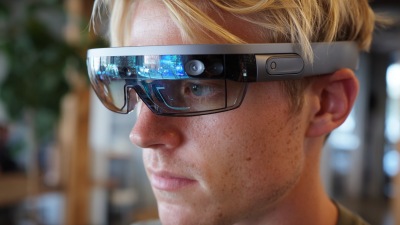
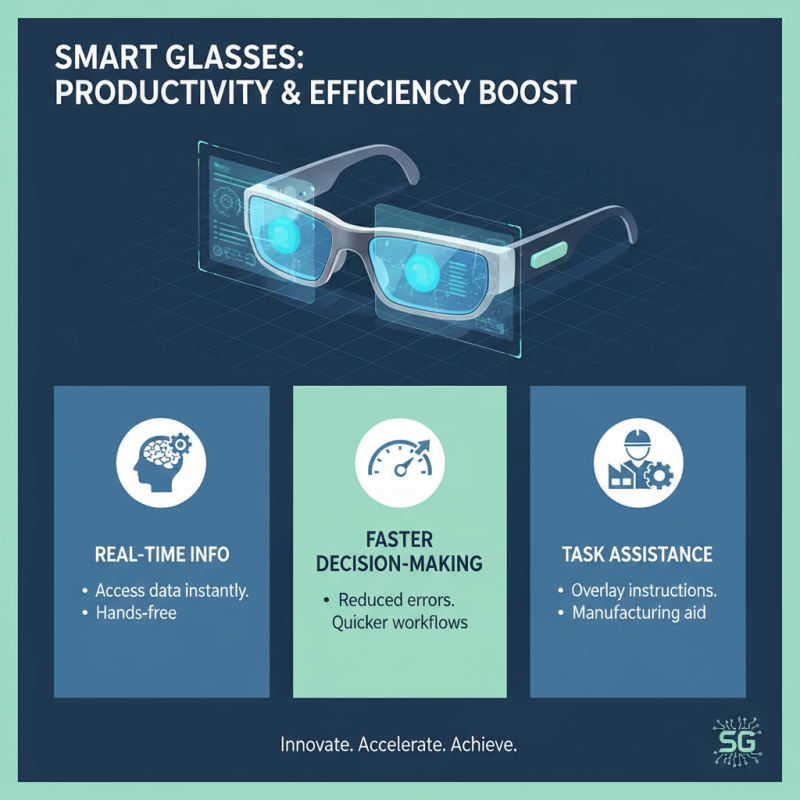
Smart Glasses Technology is revolutionizing the way businesses operate. These innovative devices enhance productivity and efficiency for various industries. Companies can access real-time data, improving decision-making on the spot.
With Smart Glasses Technology, employees can streamline tasks. They can receive instructions directly in their field of vision. This hands-free approach allows for multitasking and enhances safety. However, the technology is not without its challenges. Integration can be complex and costly, and training is essential for effective use.
Moreover, businesses must consider the potential privacy concerns surrounding this technology. Trust between employees and management is key. Despite these hurdles, the benefits of Smart Glasses Technology can be substantial, enabling businesses to adapt quickly in a competitive landscape.
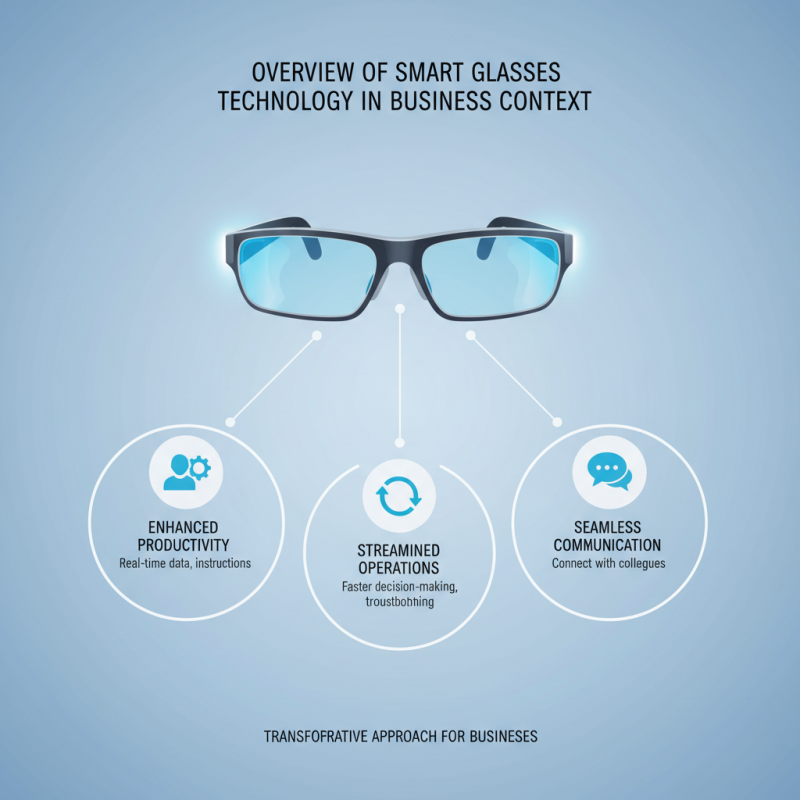
Overview of Smart Glasses Technology in Business Context
Smart glasses technology offers a transformative approach for businesses across various sectors. These devices can enhance employee productivity and streamline operations. For example, with real-time data displayed in the user’s line of sight, decision-making becomes quicker and more efficient. Employees can access instructions, troubleshoot issues, and communicate seamlessly with colleagues.
In manufacturing, smart glasses enable remote assistance. Technicians can receive guidance from experts without leaving the workspace. This setup reduces downtime and improves service quality. However, not every employee may adapt quickly to this technology. Training is essential. It requires time and resources that not all businesses are willing to invest.
In retail, smart glasses can personalize customer experiences. Store associates can access customer purchase history, enhancing service. Yet, privacy concerns arise. Customers may not always appreciate being tracked. Balancing innovation with ethical considerations is crucial for successful implementation. While the advantages are clear, businesses must navigate these challenges thoughtfully.
Enhanced Productivity and Efficiency through Smart Glasses
Smart glasses technology is reshaping how businesses operate. These devices enhance productivity by providing real-time information to users. Employees can access data without needing to look away from their tasks. This feature reduces errors and speeds up decision-making. In manufacturing, for example, workers can see assembly instructions directly in their field of vision.
However, the use of smart glasses is not without challenges. Some employees may feel overwhelmed by the information overload. Training is essential to ensure that team members use the devices effectively. Equally important is maintaining a balance between digital and human interaction. While smart glasses can improve efficiency, over-reliance on them might limit critical thinking skills.
Moreover, the integration of smart glasses requires thoughtful implementation. Businesses must consider privacy and security concerns. Employees should feel comfortable with this technology. When properly managed, the right approach can lead to substantial improvements. Ultimately, smart glasses have the potential to transform operations. Yet, awareness of their limitations is crucial for sustained success.
Improving Customer Engagement with Smart Glasses Applications
Smart glasses technology is transforming how businesses engage with customers. These devices overlay digital information onto the real world, enhancing the shopping experience. According to a report by Statista, the global smart glasses market is projected to reach $22 billion by 2024. This growth reflects the rising interest in augmented reality applications in retail and beyond.
For customer engagement, smart glasses offer unique opportunities. They can provide instant access to product information, promotions, and interactive experiences. For instance, users can visualize how furniture fits in their homes or try on clothes virtually. A study from Deloitte found that 56% of consumers would be more likely to shop if they could use AR technology. However, businesses must also consider user privacy and data security in these experiences.
On the flip side, not all implementations have been successful. Some customers find wearing smart glasses uncomfortable or intrusive. There are also technical challenges, like battery life and connectivity issues. Companies must learn from these difficulties to create efficient, user-friendly applications that truly enhance engagement. Balancing innovation with practicality is key.
Benefits of Smart Glasses Technology for Businesses
This bar chart illustrates the perceived benefits of smart glasses technology for businesses, highlighting areas such as improved customer engagement, enhanced training, and increased productivity based on survey data.
Cost Reduction and Resource Management Benefits of Smart Glasses
Smart glasses technology is more than a trend; it is a transformative tool for businesses. These devices can streamline operations and lead to significant cost advantages. According to a recent market study, companies implementing smart glasses reported a reduction in operational costs by up to 30%. This is largely due to improved efficiency in workflows and resource management.
For instance, smart glasses enable employees to access real-time data hands-free. This capability can accelerate training and onboarding processes, minimizing time and resource expenditure. One report involving logistics companies revealed that using smart glasses in warehousing increased picking accuracy by 25%. This improvement not only cuts costs associated with errors but also enhances customer satisfaction.
However, businesses must reflect on the challenges of adopting this technology. Integration can be complex and may require additional training. A survey highlighted that 35% of organizations faced hurdles during implementation. Addressing these issues is crucial for maximizing the benefits of smart glasses. Companies need to weigh the initial investment against potential long-term savings. Authentic feedback from users can help in refining their strategies for optimal use of smart glasses.
Future Trends: The Evolving Role of Smart Glasses in Business Operations
Smart glasses are changing how businesses operate. These devices provide hands-free access to critical information, making workflows more efficient. Employees can view data while keeping their hands free for tasks. Imagine a technician repairing equipment with instructions displayed right before their eyes. This efficiency can reduce downtime and improve productivity.
Future trends point to more integration of smart glasses in various sectors. Companies are exploring augmented reality applications to enhance customer experiences. This technology can transform retail by providing detailed product information visually to consumers. However, the rapid pace of change raises concerns about data privacy and user trust. Organizations must navigate these challenges carefully.
Training employees on new technology is another area to consider. Resistance to change can hinder adoption. While smart glasses can offer significant advantages, not every team may embrace them easily. Ongoing feedback and support will be essential for success. Adapting to these changes requires thoughtful planning and execution.
What are the Benefits of Smart Glasses Technology for Businesses?
| Benefit |
Description |
Impact on Business Operations |
Example Application |
| Enhanced Collaboration |
Facilitates real-time communication and collaboration among employees by sharing visuals directly. |
Improves workflow efficiency and reduces time spent in meetings. |
Remote troubleshooting with live video instructions. |
| Increased Productivity |
Allows workers to access information hands-free, reducing the need for manual searches. |
Streamlines tasks, leading to quicker project completion. |
Warehouse workers using smart glasses to locate inventory. |
| Improved Training |
Provides immersive training experiences through augmented reality simulations. |
Faster onboarding processes and enhanced skill acquisition. |
Technical training in fields like healthcare or engineering. |
| Data Visualization |
Displays real-time data and analytics overlaid in the user's field of view. |
Empowers employees to make informed decisions quickly. |
Monitoring equipment status during maintenance. |
| Enhanced Customer Engagement |
Provides interactive experiences and personalized service to customers. |
Builds loyalty and increases customer satisfaction. |
Retail assistants using smart glasses to offer tailored product suggestions. |
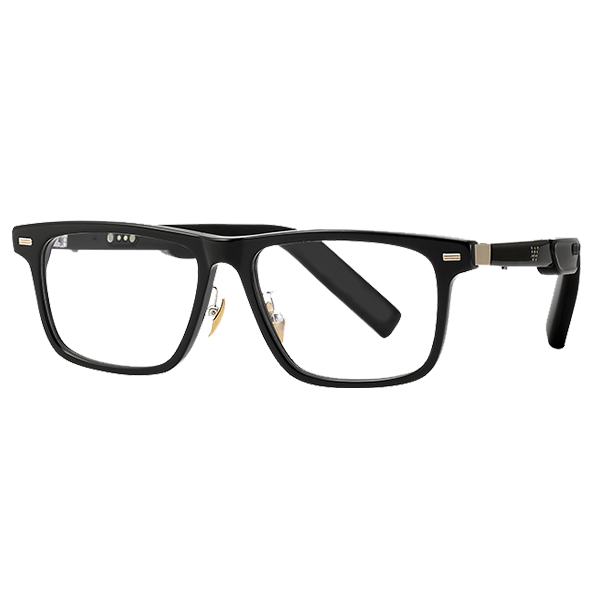 Smart Glasses
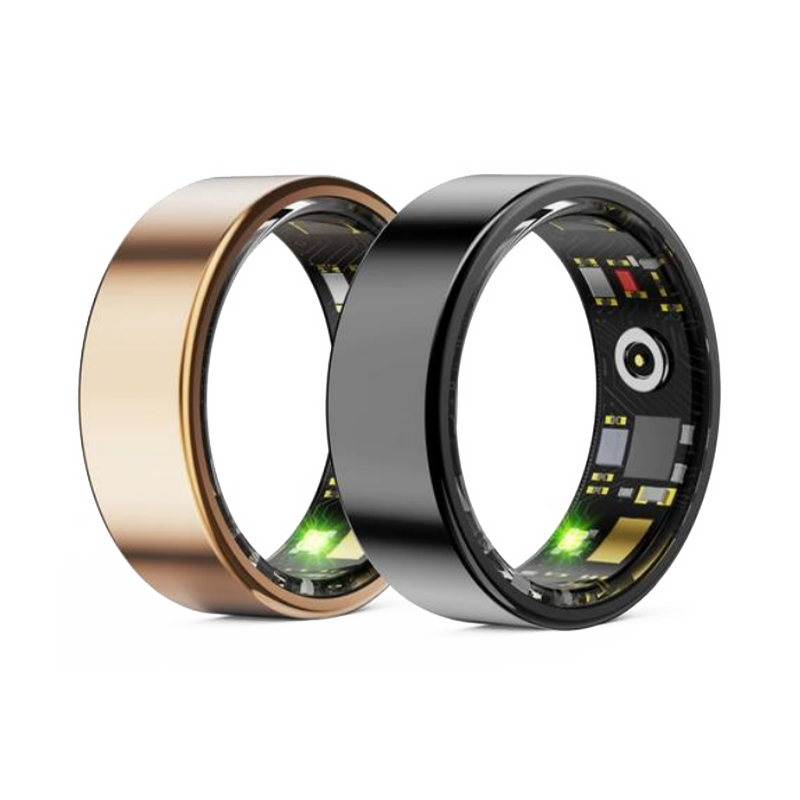 Smart Ring
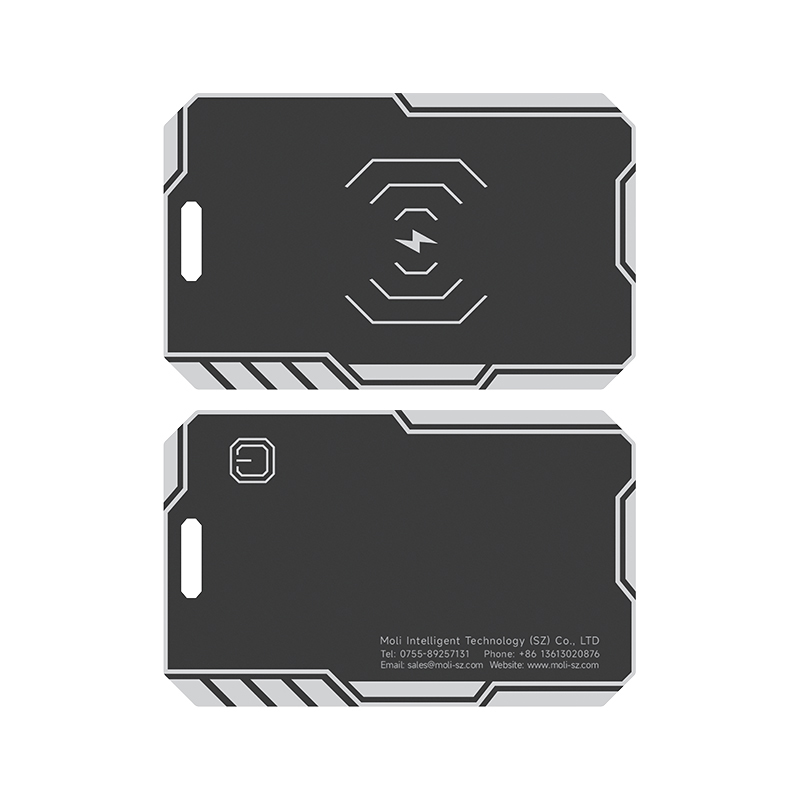 Smart Locator


 +86-13613020876

 CONTACT NUMBER
 CONTACT NUMBER