The Best Smart Lens Glasses for Clear Vision and Enhanced Functionality
In today's fast-paced world, technology is seamlessly integrating into every aspect of our lives, and vision enhancement is no exception. The advent of Smart Lens Glasses marks a pivotal moment in eyewear innovation, blending traditional functionality with cutting-edge technology. These glasses are designed not only to improve vision but also to offer a suite of features that cater to the needs of modern users. From augmented reality displays to customization options, Smart Lens Glasses are revolutionizing the way we perceive our surroundings.
As we delve into the world of Smart Lens Glasses, it becomes clear that their potential extends far beyond mere vision correction. They are equipped to enhance daily experiences, whether through navigation assistance, fitness tracking, or seamless connectivity with smart devices. With the ability to provide real-time information and notifications, these glasses represent a significant leap forward in personal eyewear and user interaction.
In this exploration, we will outline some of the best Smart Lens Glasses available, highlighting their features, benefits, and the unique functionalities that set them apart. Ultimately, the goal is to provide insight into how these remarkable devices can improve clarity of vision while enriching everyday life.
The Evolution of Smart Lens Glasses in Modern Technology
The evolution of smart lens glasses has significantly transformed the landscape of personal eyewear, merging fashion with advanced technology to redefine how we interact with our environment.
The market for smart eyewear has been growing rapidly, with estimates suggesting that it could reach a valuation of approximately $30 billion by 2026, according to a report from Allied Market Research.
This evolution can be attributed to the integration of augmented reality (AR) capabilities, which enhance the user experience by overlaying digital information seamlessly onto the real world.
Recent advancements in smart lens technology have also focused on improving vision correction through adaptive lenses that adjust dynamically to varying light conditions.
For instance, studies show that more than 60% of users prefer glasses that automatically adjust their tint based on surroundings, as highlighted in a survey conducted by the Vision Council.
This shift not only enhances visual clarity but also promotes better eye health by reducing strain during prolonged usage.
Furthermore, the integration of sensors and connectivity features is allowing for a more personalized experience, leading to increased consumer satisfaction and encouraging further innovation in the sector.
With the ongoing development of smart lens functionalities, the future of eyewear appears promising, poised to offer unprecedented enhancements to daily living and productivity.
Key Features to Look for in Smart Lens Glasses
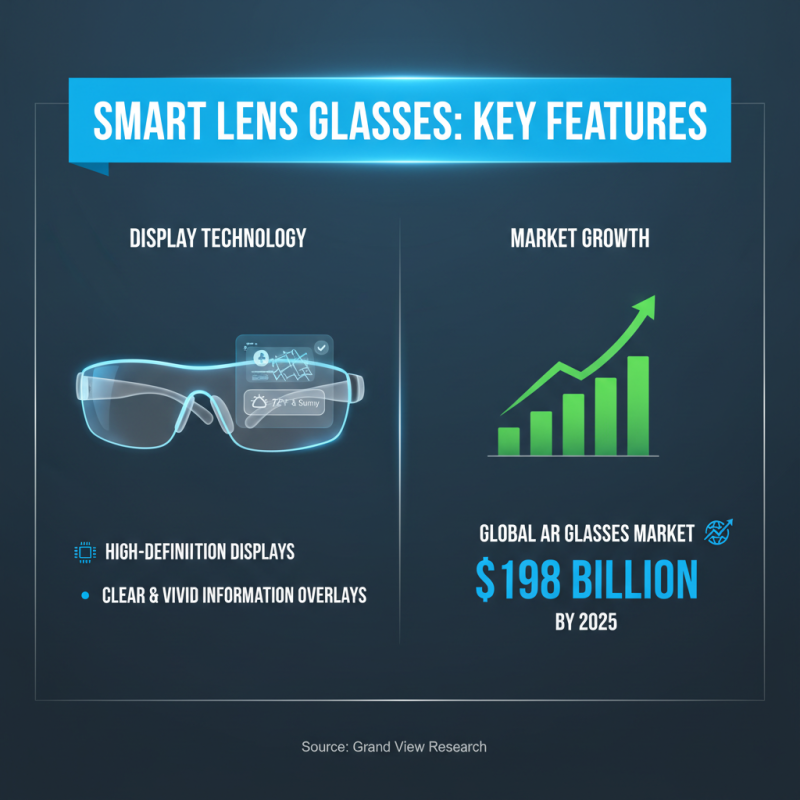
When considering the best smart lens glasses, it's essential to focus on key features that can significantly enhance user experience. One of the primary factors is display technology. With advancements in augmented reality (AR), smart lens glasses equipped with high-definition displays offer clear and vivid information overlays. According to a market research report by Grand View Research, the global AR glasses market is projected to reach $198 billion by 2025, driven by innovations in display quality and functionality. This indicates a growing demand for glasses that can seamlessly integrate virtual elements into the user's field of vision.
Another vital feature is connectivity options. Smart lens glasses that include Bluetooth and Wi-Fi capabilities allow users to access information and apps directly from their eyewear. This integration not only enhances functionality but also streamlines the user experience, minimizing the need for additional devices. A report by Statista highlights that the wearable technology market is expected to grow significantly, with smart glasses being a critical component. Enhanced connectivity enables applications ranging from navigation assistance to health monitoring, thus appealing to a wide consumer base looking for versatility in their eyewear.
Top Brands Leading the Market for Smart Lens Glasses
The market for smart lens glasses is rapidly expanding, driven by a surge in consumer demand for enhanced functionality and convenience. Leading brands have recognized the potential to merge cutting-edge technology with everyday eyewear, creating products that not only correct vision but also provide users with smart features. These innovations range from augmented reality overlays to built-in health tracking, allowing users to engage with their environment in unprecedented ways. As technology improves, the focus has shifted towards developing lenses that offer both clarity and adaptability.
Top brands in this sector are pushing the boundaries of what smart lens glasses can do, investing heavily in research and development to stay competitive. They are exploring ways to seamlessly integrate various functions, such as voice control, notifications, and even social media connectivity, into their designs. With the promise of providing a more immersive user experience, these companies are setting the stage for the next generation of eyewear.
As these advancements continue to unfold, consumers can expect more versatile options that cater to both professional and personal needs, transforming the traditional notions of eyeglasses.
User Reviews: Real-Life Experiences with Smart Lens Glasses
Smart lens glasses have increasingly become a topic of interest among consumers looking for enhanced vision correction along with technological advancements. According to a recent report from Grand View Research, the global smart glasses market is projected to reach $17.4 billion by 2025, indicating a surge in consumer demand for devices that combine functionality with everyday convenience. User reviews reveal a range of experiences that highlight the strengths and weaknesses of these innovative eyewear options, shedding light on how they integrate into daily life.
Many users appreciate the clear vision that smart lens glasses provide, noting that features like adjustable tint and anti-reflective coatings significantly improve their visual quality. A study published in the Journal of Vision Research indicates that nearly 75% of users report a decrease in eye strain during long periods of screen time when using smart lens glasses. Additionally, the functionality of built-in augmented reality (AR) features has garnered attention, with users praising the ability to access information hands-free while on the move. However, some reviews caution about the learning curve associated with these technologies, as adapting to new interfaces can be challenging for individuals not accustomed to smart devices.
Overall, real-life experiences with smart lens glasses reflect both enthusiastic acceptance and a few reservations as users navigate the balance between traditional eyewear needs and the integration of advanced technology into their daily routines. As the market evolves, ongoing user feedback remains crucial for manufacturers to refine their offerings and cater to a growing audience eager for innovation in eye care solutions.
The Best Smart Lens Glasses User Reviews
Future Trends in Smart Lens Glasses Technology and Functionality
The future of smart lens glasses technology is poised to revolutionize the way we perceive and interact with our surroundings. As advancements in augmented reality (AR) and artificial intelligence (AI) continue to evolve, the potential for these devices extends far beyond basic vision correction.
Future models are expected to incorporate features such as real-time language translation, navigation assistance, and enhanced environmental awareness, allowing users to seamlessly blend digital information with their physical environment.
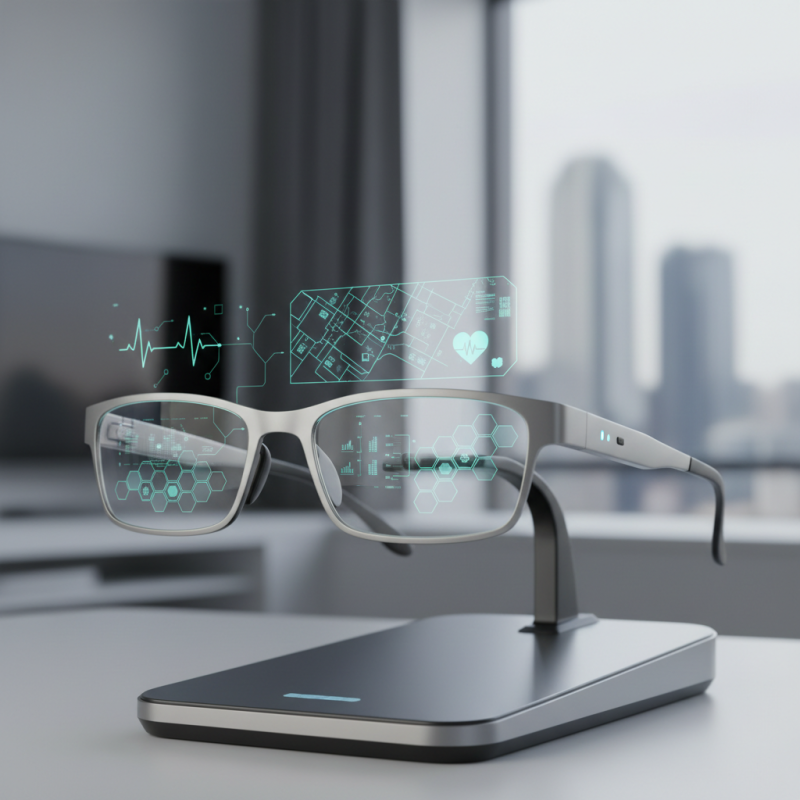
Moreover, the integration of biometric sensors within smart lens glasses promises to further enhance functionality and personalization. By monitoring health metrics like heart rate and stress levels, these glasses could offer tailored recommendations, creating a more intuitive user experience.
As optical technology progresses, we can also anticipate improvements in lens materials that will provide greater durability and adaptive features, adjusting tint and focus based on lighting conditions. All these innovations combined will not only provide clearer vision but will enrich our everyday lives through enhanced connectivity and information access.
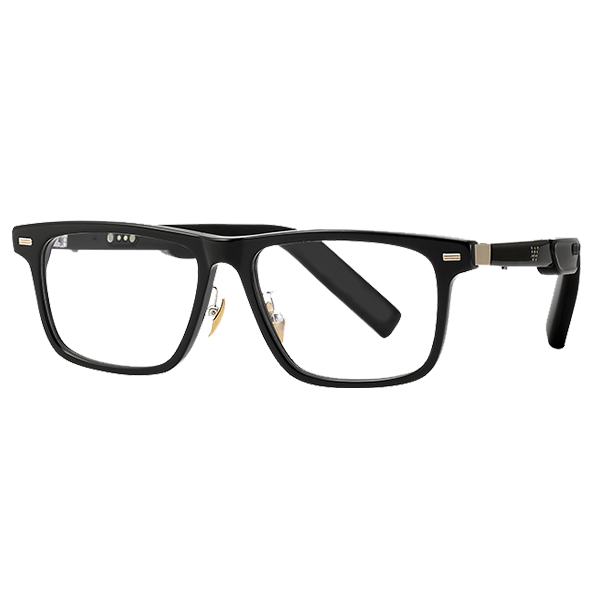 Smart Glasses
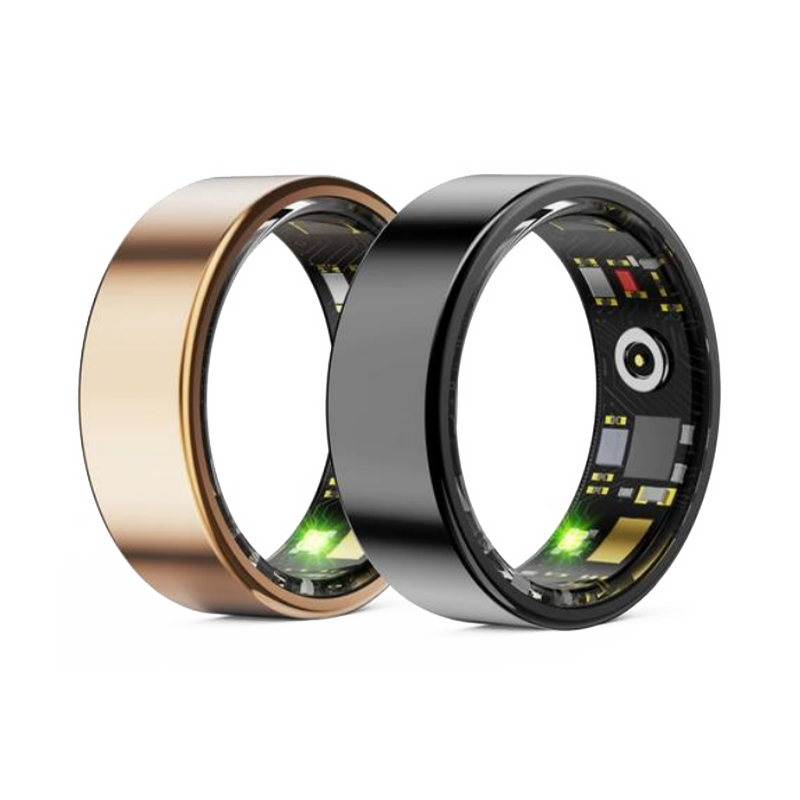 Smart Ring
 Smart Locator


 +86-13613020876

 CONTACT NUMBER
 CONTACT NUMBER