Best Wearable Display Glasses for Enhanced Experiences?
Wearable Display Glasses are becoming increasingly popular for enhancing everyday experiences. These innovative devices combine advanced technology with user-friendly designs. According to a report by MarketsandMarkets, the global market for wearable display devices is projected to reach $31.7 billion by 2026, growing at a CAGR of 32.7%. This indicates a strong trend toward integration in various sectors, including healthcare, entertainment, and gaming.
These glasses grant users unique benefits, such as augmented reality overlays and seamless connectivity with smartphones. For instance, businesses are incorporating wearable display technology for training and remote assistance. However, challenges remain, such as battery life and comfort, which need addressing to improve user adoption.
Consumer feedback highlights mixed experiences. Some users appreciate the immersive nature, while others find them bulky or cumbersome. The balance between functionality and comfort is crucial. Exploring the best wearable display glasses can reveal options that minimize shortcomings while enhancing daily interactions.
Features to Look for in Wearable Display Glasses
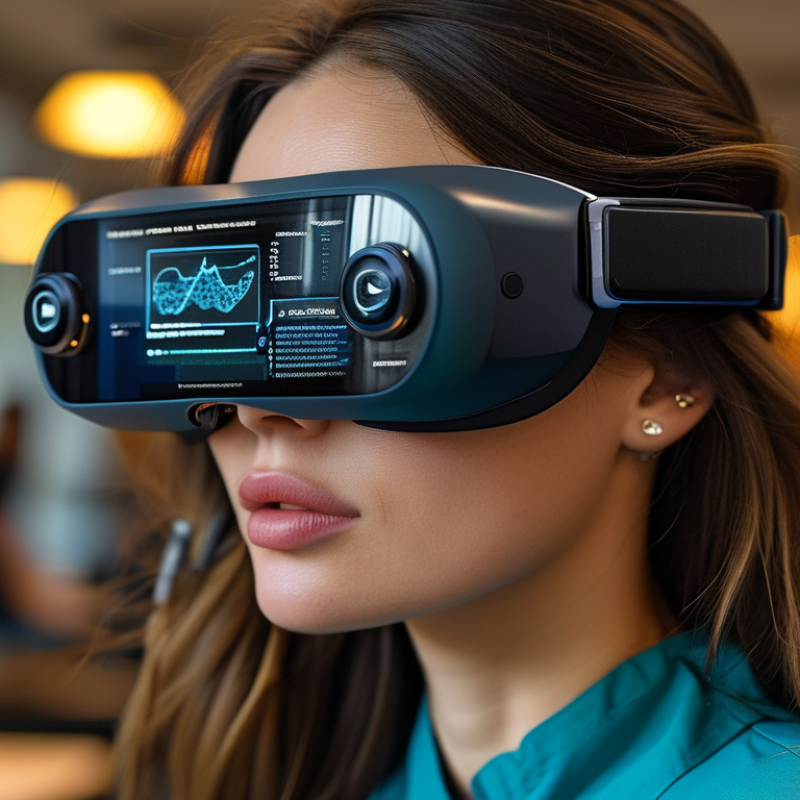
When exploring wearable display glasses, consider several key features to ensure an enhanced experience. First, focus on the display quality. High-resolution screens provide clearer images. This improves the overall viewing experience, whether for watching videos or reading texts. A wide field of view can also add to immersion. It allows users to take in more information at once.
Another important aspect is comfort. Lightweight designs make it easier to wear these glasses for extended periods. Adjustable nose pads and flexible arms can enhance the fit. Battery life plays a crucial role as well. Long-lasting batteries mean less interruption during use. It's essential to check how quickly they charge, too.
Lastly, consider the connectivity options available. Many glasses offer seamless pairing with smartphones or other devices. This enables easy access to apps and multimedia. User-friendly interfaces can make navigation simpler. Reflect on your own needs and preferences, as not all features will suit everyone’s lifestyle. Finding the right balance between cutting-edge technology and practical usability is vital for a satisfying experience.
Top Brands Offering Innovative Wearable Display Glasses
The rise of wearable display glasses has transformed the way we interact with technology. Leading brands are pushing the boundaries with innovative designs and functionalities. These glasses offer augmented reality experiences and enhanced visuals, engaging users in new ways. Imagine watching your favorite shows, browsing the web, or even navigating streets, all through a sleek pair of glasses.
These devices come with various features. Some include touch-sensitive controls, voice commands, and even built-in cameras. However, the optical quality can vary between models. Not all glasses provide a satisfactory viewing experience. Users often note issues with clarity and brightness in certain environments.
Moreover, comfort is a recurring theme. Some wearers find that prolonged use leads to discomfort. Weight and fit play a significant role in user satisfaction. Brands must address these concerns to enhance user experience. Innovation continues in the industry, yet perfecting the balance between functionality and comfort remains a challenge. As technology evolves, consumers seek not just novelty, but also reliability in their everyday wearable devices.
Best Wearable Display Glasses for Enhanced Experiences
Comparative Review of Popular Wearable Display Glass Models
Wearable display glasses are transforming how we interact with digital content. Various models offer unique features for enhanced experiences, making it essential to understand their differences. Some models focus on AR capabilities, overlaying information onto the real world. Others provide immersive VR experiences, creating virtual environments for entertainment or work.
When choosing wearable display glasses, consider their comfort and battery life. A heavy pair can become uncomfortable for prolonged use. Battery duration varies widely among models; some need frequent recharges, disrupting your experience. Check user reviews for insights into comfort and usability.
Tips: Always try on glasses if possible. Ensure they fit snugly without pinching. Read feedback on display quality. Look for glasses with clear visuals, as clarity enhances immersion. Remember, some models may lack key features you need. Reflect on what matters most in your experience.
Applications and Use Cases of Wearable Display Glasses
Wearable display glasses have become more than just a tech trend. Their applications are vast, impacting various industries significantly. According to a report by Grand View Research, the global market for AR glasses is projected to reach $88.4 billion by 2026. This growth is driven by their use in fields such as healthcare, education, and entertainment.
In healthcare, these glasses enable surgeons to view critical data in real-time during procedures. An analysis from Deloitte highlights that medical professionals using AR tools saw a 25% increase in surgery efficiency. In education, institutions employ these devices for immersive learning experiences. They allow students to visualize complex subjects, enhancing retention and engagement.
Tips: Consider exploring different types of wearable displays that fit your specific needs. A casual user may prioritize comfort, while a professional might seek advanced functionalities. It’s essential to review user feedback before making a purchase to avoid investing in technology that doesn’t meet your expectations.
Entertainment applications also show promise. Gaming companies are integrating these devices for interactive experiences. However, users should be wary of potential visual fatigue associated with prolonged use. Always take regular breaks and adjust settings to suit comfort levels for optimal experiences.
Future Trends in Wearable Display Technology and Experiences
Wearable display technology is evolving quickly. These devices enhance our daily experiences in fascinating ways. They offer new dimensions of interaction. Users can blend virtual content with reality more seamlessly than ever before. This shift indicates a future rich with potential, yet challenges remain.
The trend towards lighter, more comfortable designs is crucial. Comfort will determine user acceptance. Additionally, improved battery life and performance are essential for daily use. The integration of AI can personalize experiences. However, privacy and data security also raise concerns. Finding the balance will require ongoing efforts and transparency.
Tips: Always consider the applications of wearable displays. Are they enhancing your productivity? Take time to assess how these devices fit into your life. Understand their limitations. Not every feature may work as expected. Users should remain critical and aware of their needs when adopting new technologies.
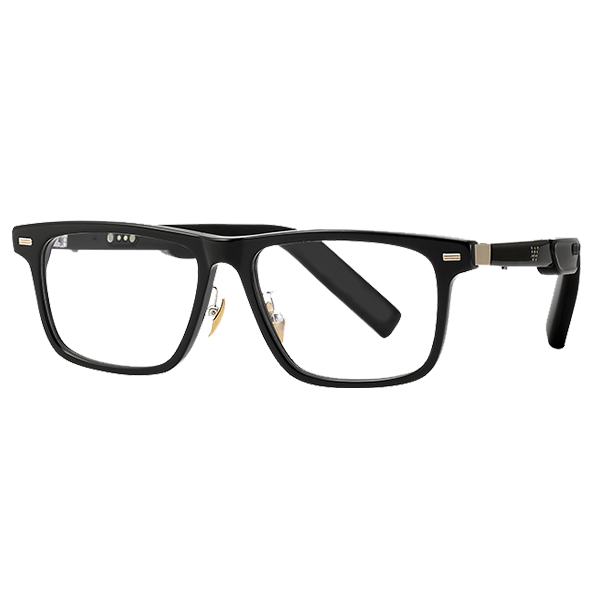 Smart Glasses
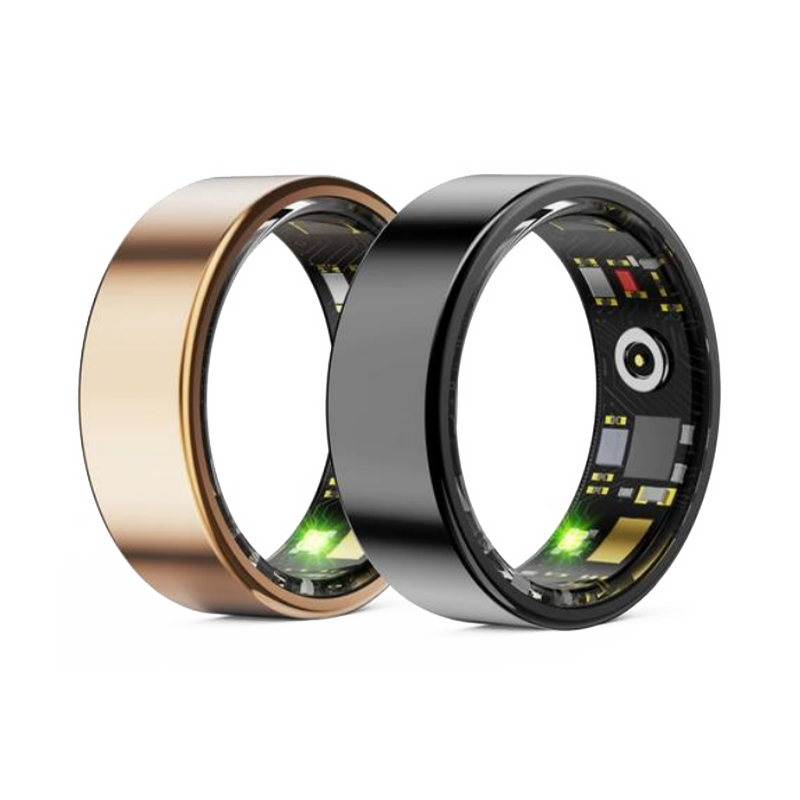 Smart Ring
 Smart Locator


 +86-13613020876

 CONTACT NUMBER
 CONTACT NUMBER