How to Choose the Best Bluetooth Eyeglasses for Your Needs?
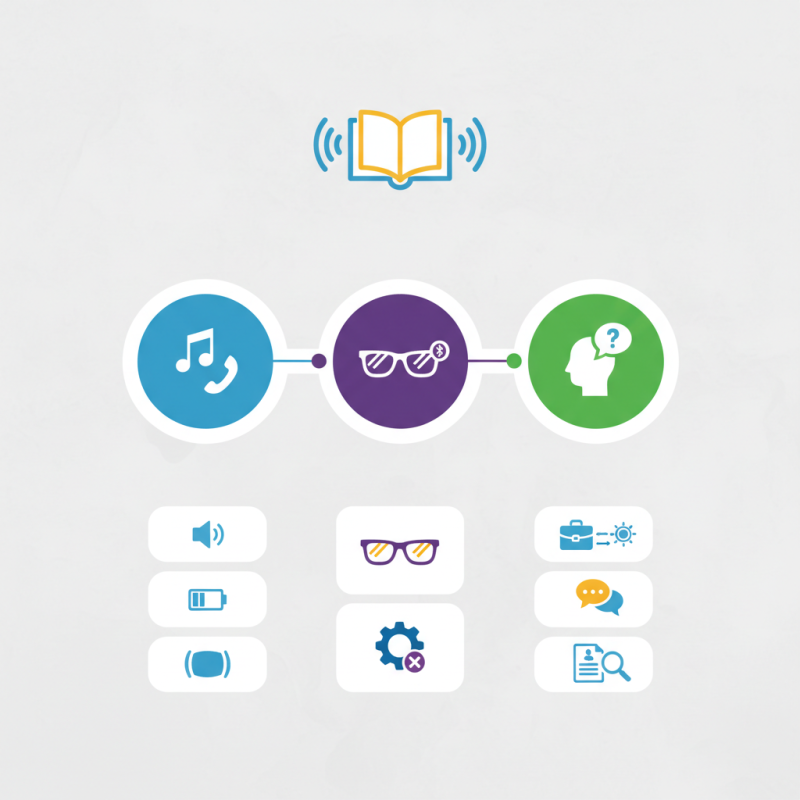
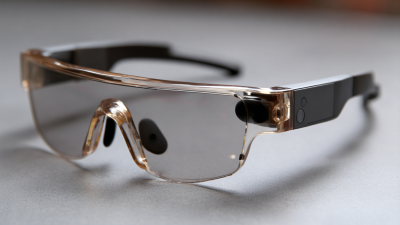
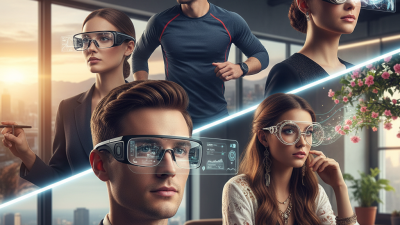
Bluetooth eyeglasses are the latest innovation in wearable technology. They blend stylish eyewear with advanced audio capabilities. With these glasses, users can stream music, take calls, and enjoy podcasts seamlessly. However, choosing the best Bluetooth eyeglasses can be challenging.
Many brands offer various features, making it hard to select the right pair. Users should consider sound quality, battery life, and comfort. Some glasses may look great but lack functionality. Others may be packed with features that are not user-friendly. It is essential to balance design and performance.
Think about how you plan to use Bluetooth eyeglasses. Will you wear them for work, leisure, or both? Reflecting on your needs can help narrow down your choices. There is a lot to consider, and sometimes the options can be overwhelming. Carefully reviewing user feedback and product specifications may lead to a more informed decision.
Understanding the Key Features of Bluetooth Eyeglasses for Optimal Use
Bluetooth eyeglasses have become increasingly popular in recent years, blending functionality with style. When selecting the right pair, it's essential to understand key features that enhance user experience. Industry reports suggest that the market for smart eyewear is expected to grow significantly, projected to reach $10 billion by 2024. This growth indicates rising consumer interest in innovative eyewear technology.
One crucial feature to consider is sound quality. High-fidelity audio enhances the user experience. Look for models that utilize advanced audio drivers for clearer sound. Battery life is another vital aspect. Many users report dissatisfaction with short-lived batteries. Aim for eyeglasses that offer at least 6 hours of playback time. Additionally, comfort and design are often overlooked. Frames should fit well and feel light. Heavy or poorly designed eyeglasses can be uncomfortable after prolonged use.
Lastly, connectivity options matter. Most devices use Bluetooth 5.0 or higher for a stable connection. However, some eyeglasses may not offer seamless compatibility with all devices. This can lead to frustrating experiences. Before purchasing, consider testing the glasses with your phone or tablet. Each feature contributes to overall performance, but not all eyeglasses meet every user's needs. Balancing these aspects will help you make an informed decision.
Evaluating Sound Quality and Battery Life in Bluetooth Eyeglasses
When selecting Bluetooth eyeglasses, sound quality is crucial. Look for models that provide clear audio. The speaker placement impacts how well you hear. If the speakers are close to your ears, the sound will be more immersive. Pay attention to reviews commenting on the sound experience. User feedback can reveal if the audio distortion is an issue.
Battery life is another key factor. Some eyeglasses offer several hours of use before needing a charge. Consider how often you'll be using them. If you forget to charge, you'll be left without sound for an entire day. A quick-charge feature can be beneficial, too. Think about the everyday scenarios where charging might be inconvenient. It's important to weigh these aspects carefully.
Finding the right balance between sound quality and battery life can be challenging. Not all glasses excel in both areas. Some might sound great but have short battery life. Others may last longer but compromise audio fidelity. Assessing your daily needs will help. Aim for eyeglasses that fit your lifestyle and expectations. Be prepared to make some sacrifices.
Assessing Comfort and Fit for Long-Term Wear of Bluetooth Eyeglasses
When selecting Bluetooth eyeglasses, comfort and fit are paramount for long-term wear. Ill-fitting eyewear can cause discomfort, leading to headaches or fatigue. Look for frames that provide a snug fit without pinching. Adjustable nose pads are a plus. They can accommodate different nose shapes, ensuring a customized fit.
Consider the weight of the glasses. Lighter frames often feel less intrusive, enhancing comfort during extended use. Materials such as titanium or high-quality plastic can offer durability without significant weight. However, some may find that extremely light frames lack stability. Striking the right balance can be challenging, yet it’s crucial for a pleasant experience.
Lastly, think about the temple length. Temples that are too long can slip off, while those that are too short may press uncomfortably against the head. Trying on various styles can help you identify what feels best. Don’t hesitate to walk around with the glasses before making a decision. This simple step can reveal issues that might not be apparent while sitting still. Choose wisely and prioritize your comfort for an improved wearable tech experience.
Comparing Price Points: Budget vs. Premium Bluetooth Eyeglasses Options
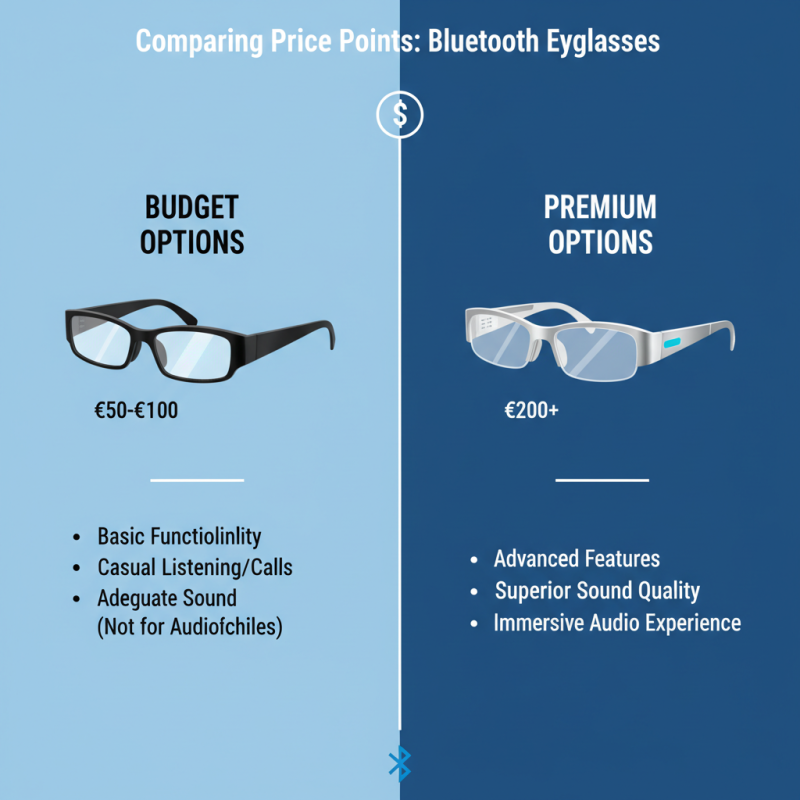
When considering Bluetooth eyeglasses, price points greatly influence your choices. Budget options typically range from $50 to $100. These models often lack advanced features, but they offer basic functionality. Many users find them adequate for casual listening or phone calls. However, the sound quality may not satisfy every audiophile.
On the other hand, premium Bluetooth eyeglasses can cost upwards of $200. These models usually include superior audio technology. Enhanced sound clarity and durability are common in these higher-end products. They may also offer additional functionalities, such as noise cancellation and integrated smart features.
It's essential to reflect on your needs. Are you an occasional user or a daily wearer? Budget glasses might serve you well if you only need them occasionally. However, for frequent use, investing in a premium pair could enhance your experience significantly. Consider how each option aligns with your lifestyle before making a final decision.
Exploring Compatibility with Devices and Bluetooth Versions for Eyeglasses
When choosing Bluetooth eyeglasses, compatibility with devices is critical. Not all Bluetooth versions work the same way. Some devices may support newer versions, while others lag behind. This mismatch can lead to frustrating experiences. Ensure your eyeglasses are compatible with your smartphone or tablet. Look for specifications about supported Bluetooth profiles as well.
Different Bluetooth versions offer varying ranges and qualities. Version 5.0, for instance, enhances connectivity and reduces delays. If you enjoy streaming audio or taking calls, a later version may be beneficial. However, older devices might not support these advances. Test your eyeglasses with your devices beforehand to avoid disappointment.
It's common to overlook sound quality in Bluetooth eyeglasses. Some users report that audio might not meet expectations. This could stem from pairing issues or the lack of proper codecs. Experiment with settings on your device to improve the listening experience. It’s essential to assess the performance in real-life situations. Each user’s needs differ greatly.
How to Choose the Best Bluetooth Eyeglasses for Your Needs?
| Feature |
Description |
Bluetooth Version |
Compatibility |
| Sound Quality |
Clear audio output with noise cancellation features. |
Bluetooth 5.0 |
iOS, Android, Laptops |
| Battery Life |
Up to 10 hours of continuous use. |
Bluetooth 4.2 |
Android Devices |
| Design |
Sleek and modern design suitable for daily wear. |
Bluetooth 5.1 |
Smartphones, Tablets |
| Comfort |
Lightweight frames with adjustable nose pads. |
Bluetooth 5.0 |
All Bluetooth Enabled Devices |
| Audio Controls |
Touch-sensitive controls for music playback and calls. |
Bluetooth 4.0 |
iOS, Android, Wearables |
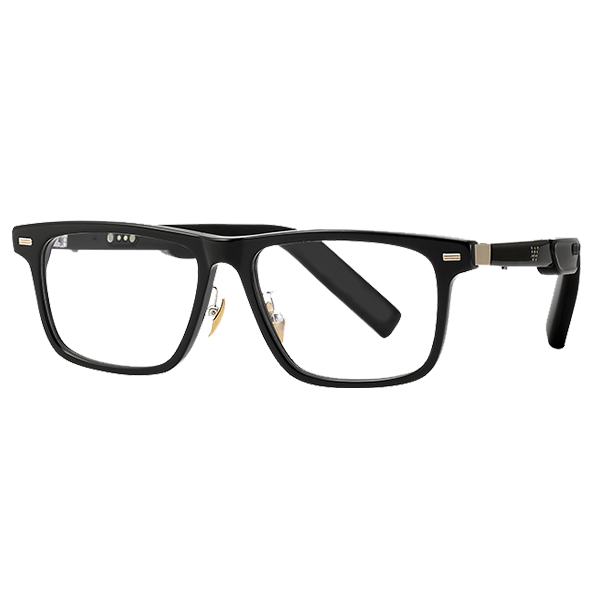 Smart Glasses
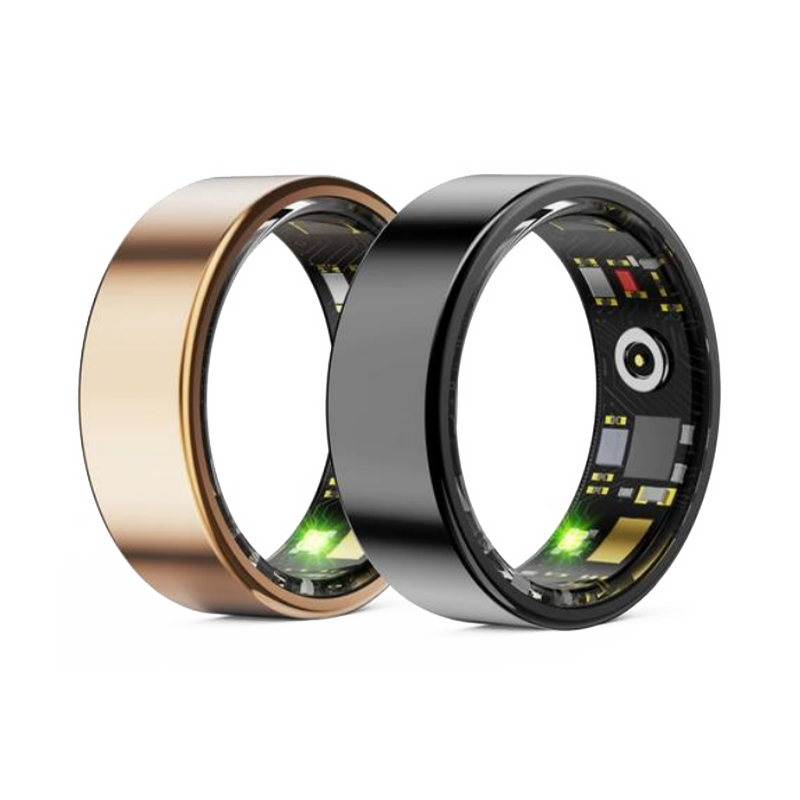 Smart Ring
 Smart Locator


 +86-13613020876

 CONTACT NUMBER
 CONTACT NUMBER