How to Choose the Best Wearable Display Glasses for You?
Choosing the right wearable display glasses can be a daunting task. With various brands and features available, it is easy to feel overwhelmed. Wearable display glasses blend modern technology with everyday use. These devices can enhance productivity, entertainment, and even fitness.
Consider your specific needs before making a purchase. Are you looking for augmented reality features? Or perhaps a model for fitness tracking? Different models serve different purposes. It's important to evaluate how you plan to use these glasses in daily life. Quality matters, but so does comfort. Ensure the fit is right for your face shape and activity level.
Lastly, read reviews and seek expert opinions. Not all wearable display glasses are created equal. Some may not perform as advertised. Reflecting on user experiences can help guide your decision. Make sure to choose wisely, as this investment should enrich your life, not complicate it.
Understanding Different Types of Wearable Display Glasses
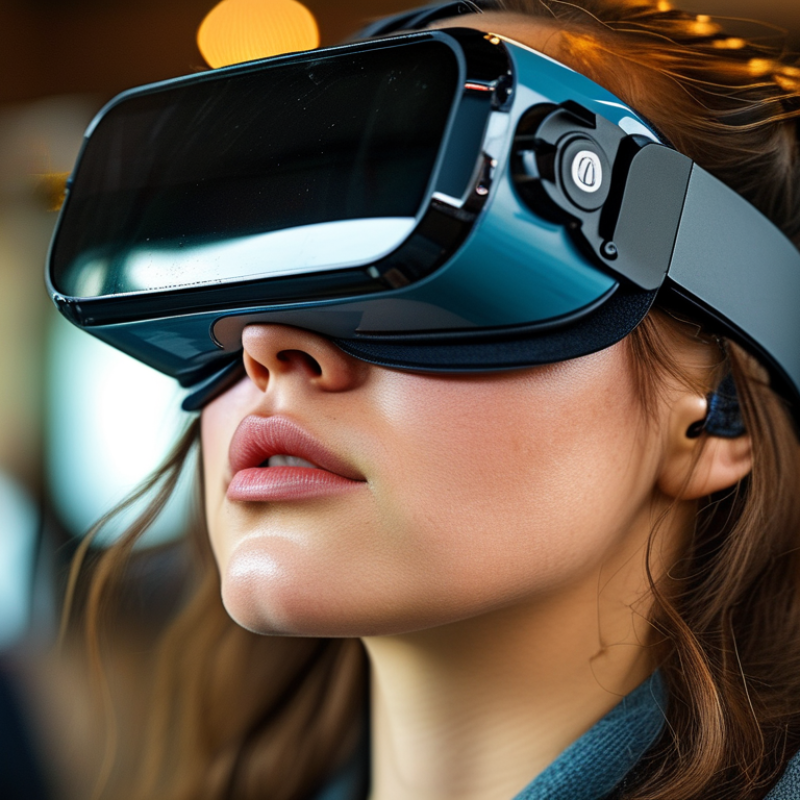
Wearable display glasses are becoming increasingly popular. Understanding the types can significantly impact your choice. There are mainly three categories: augmented reality (AR), virtual reality (VR), and mixed reality (MR). Each serves different purposes and user experiences.
AR glasses overlay digital information on the real world. They’re ideal for tasks requiring hands-free assistance, such as real-time data display for mechanics or surgeons. Research from a leading tech analyst firm shows that the AR market is expected to reach $198 billion by 2025. This reflects a growing reliance on such technology across various industries.
VR glasses immerse users in entirely virtual environments. They are favored in gaming and training simulations. The enterprise VR market is projected to grow significantly, potentially exceeding $12 billion by 2024. It's crucial to consider your primary use when picking among these types. Mixed reality combines both worlds but might involve a steeper learning curve and higher costs. Each type has strengths and challenges, requiring careful thought on personal needs. Your choice could greatly enhance productivity or leisure, but can just as easily lead to frustration if mismatched.
How to Choose the Best Wearable Display Glasses for You? - Understanding Different Types of Wearable Display Glasses
| Type |
Resolution |
Field of View (FOV) |
Battery Life |
Weight |
| Augmented Reality (AR) Glasses |
1280 x 720 pixels |
40 degrees |
3-5 hours |
100 grams |
| Virtual Reality (VR) Headset |
1920 x 1080 pixels |
110 degrees |
2-4 hours |
500 grams |
| Smart Glasses |
640 x 480 pixels |
30 degrees |
4-6 hours |
60 grams |
| Outdoor Activity Glasses |
1280 x 720 pixels |
35 degrees |
5-8 hours |
80 grams |
| Mixed Reality Glasses |
2560 x 1440 pixels |
90 degrees |
2-3 hours |
300 grams |
Key Features to Consider in Wearable Display Glasses
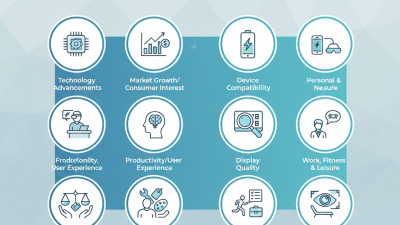
When choosing wearable display glasses, key features are crucial. Comfort is essential, as you might wear them for long periods. Look for adjustable frames and lightweight materials. Reports indicate that users prioritize comfort over advanced features, highlighting a user-first approach.
Display quality is another vital aspect. A high resolution enhances readability and visual appeal. Research shows that
75% of users prefer at least
1080p resolution. Colors should be vibrant, and contrast must be sharp. This allows for an immersive experience, making interactions feel real.
Battery life cannot be overlooked. Many users express frustration with short-lived devices. Aim for at least
8 hours of use, especially for outdoor situations. Moreover, consider the connectivity options available.
Bluetooth and
Wi-Fi are common. However, check for compatibility with your devices. The wrong choice can lead to dissatisfaction. These elements shape a product’s usability, reflecting the diverse needs of potential users.
Assessing Compatibility with Your Devices and Ecosystem
When choosing wearable display glasses, compatibility with your devices is crucial. Begin by assessing your existing gadgets. Do you primarily use a smartphone, tablet, or computer? Ensure that the glasses can seamlessly connect to these devices. Some may offer Bluetooth connectivity, while others might require specific apps. Understanding these details is vital before making a decision.
Next, consider your ecosystem. If you use a variety of devices from different manufacturers, check for interoperability. Many wearables function best within a particular ecosystem, limiting their usability elsewhere. This can pose a challenge if your devices don’t communicate effectively. Research forums or reviews to hear from users about compatibility issues. Such insights can provide a realistic picture of the product’s performance.
It’s also wise to reflect on your usage. Think about how often you’ll wear these glasses. If they don’t integrate well with your daily routines, they may not be worth the investment. Finding the right fit is not just about features but also about practicality. A thoughtful approach will lead you to a solution that truly enhances your experience.
Evaluating Comfort and Design for Daily Use
When selecting wearable display glasses, comfort is a primary concern. Look for adjustable temples and lightweight materials. These features can alleviate pressure during extended wear. The design should suit your face shape. Try on different styles to see which frames feel best. Surprising discomfort can arise from tight-fitting designs. A snug fit is essential, but it shouldn’t cause pain.
Consider daily activities when assessing functionality. If you plan to use them for active purposes, sweat-resistant materials are crucial. Also, examine the lens quality for clear visibility. Poor optics can lead to eye strain. Some glasses may have a stylish exterior but compromise wearability. This trade-off can be frustrating. It’s important to reflect on how often you will wear them. If not comfortable, your investment is wasted.
Ultimately, your personal taste matters. Balancing aesthetics with usability can be tough. You might prefer sleek designs but find them uncomfortable. Each pair should feel like a natural extension rather than a burden. Experimenting with various options can guide your decision. Each pair tells a story about your unique needs.
Comparing Prices and Brand Reputation in the Market
When looking for the best wearable display glasses, pricing and brand reputation are crucial factors. Prices can vary significantly among different models. Higher prices often correlate with advanced features and better build quality. However, don't assume that expensive means the best fit for your needs. Some affordable options can still deliver impressive performance.
Brand reputation is another important aspect to consider. Research how long a brand has been in the market. Established companies tend to have more reliable products. Customer reviews are invaluable. They provide insight into real-life usage, highlighting strengths and weaknesses. Look for trends in feedback. Are users generally satisfied or frustrated?
It’s essential to balance both price and brand credibility. Sometimes, the most popular brands may not suit your specific requirements. Do thorough research. Explore lesser-known brands that may offer innovative solutions at competitive prices. Keep your expectations realistic. Not every feature will enhance your experience. Don't overlook your own needs when evaluating options. Focus on what matters most to you.
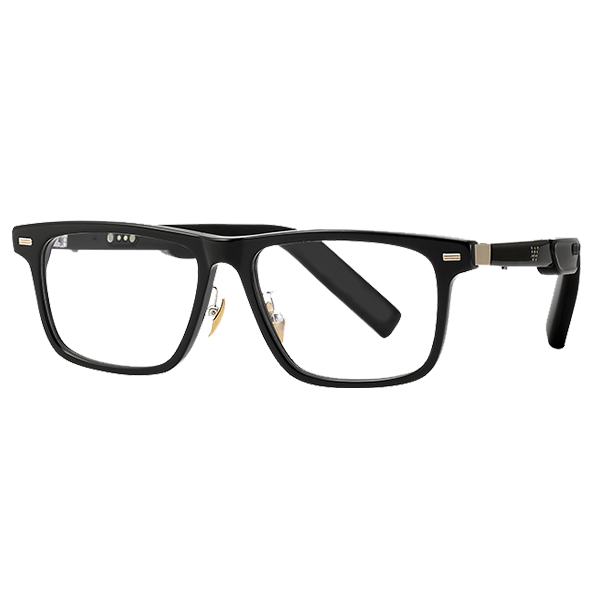 Smart Glasses
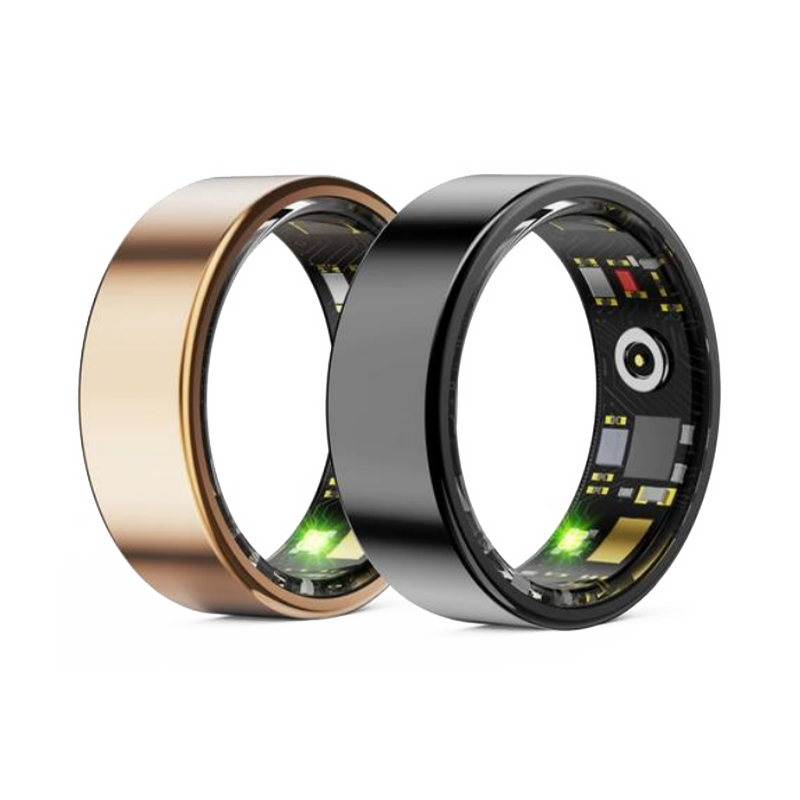 Smart Ring
 Smart Locator


 +86-13613020876

 CONTACT NUMBER
 CONTACT NUMBER