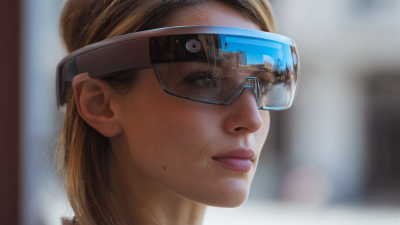
What are Hands-Free Smart Glasses and How Do They Work?
Hands-Free Smart Glasses represent a significant leap in wearable technology. These innovative devices enable users to interact with digital content without using their hands. Imagine walking through a busy city while navigation instructions appear right before your eyes.
The concept may seem futuristic, but these glasses can enhance daily tasks. You can receive notifications while cooking, or check your schedule during a meeting. The integration of voice commands makes the experience seamless, yet it's important to consider their practicality.
While Hands-Free Smart Glasses offer convenience, challenges remain. Battery life can be short, and not all applications are user-friendly. Users may find themselves distracted by constant notifications. As technology evolves, it's essential to reflect on how to balance functionality with usability.
What Are Hands-Free Smart Glasses?
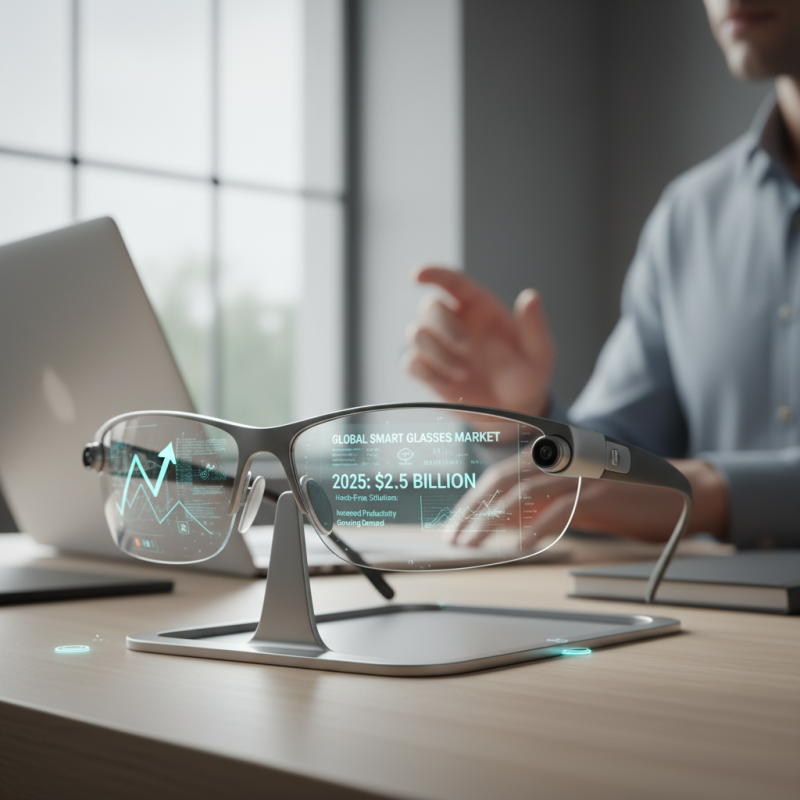
Hands-free smart glasses are an innovative technology designed to enhance daily tasks. These glasses integrate augmented reality (AR) and smart features, allowing users to access information without needing to look away from their environment. According to a recent industry report, the global market for smart glasses is projected to reach $2.5 billion by 2025. This shows a growing demand for hands-free solutions in various sectors.
What makes hands-free smart glasses particularly intriguing is their functionality. They typically include voice commands, displays, and sensors. Users can receive notifications, navigation help, or real-time data. However, challenges remain. For example, some users find the interface confusing. Reports indicate that 30% of potential users struggle to adapt to new technology. Moreover, privacy concerns persist, as always-on cameras may record sensitive information unintentionally.
Despite these challenges, hands-free glasses offer significant potential. Enhanced productivity and efficiency are evident in fields like healthcare and manufacturing. For instance, technicians can repair equipment while consulting real-time manuals. Yet, the balance between convenience and practicality must be examined. Continuous feedback from users is crucial to improve overall experience and functionality. The journey of hands-free smart glasses is just beginning, and addressing concerns will be vital for widespread acceptance.
Key Features and Specifications of Smart Glasses
Smart glasses are revolutionizing how we interact with technology. These wearable devices combine augmented reality features with hands-free functionality. Users can access information without taking out their smartphones. This immersion offers new possibilities in various fields, from healthcare to transportation.
Key features of smart glasses include voice activation and built-in cameras. Many models utilize bone conduction audio. This allows users to hear notifications without obstructing their ears. According to industry research, the global smart glasses market is expected to grow at a CAGR of 37% from 2022 to 2028. As the technology matures, more applications are emerging, but challenges remain. For instance, battery life often limits usage. Some devices lack sufficient display quality.
Smart glasses come with specifications that cater to diverse user needs. Most models feature lightweight designs, enhancing comfort during prolonged wear. Connectivity options often include Bluetooth and Wi-Fi, enabling seamless integration with other devices. However, privacy concerns arise with built-in cameras. Users need to navigate these complexities carefully. As this technology evolves, the dialogue around features, usability, and ethics will be crucial.
What are Hands-Free Smart Glasses and How Do They Work? - Key Features and Specifications of Smart Glasses
| Feature |
Specification |
| Display Technology |
Micro-display or waveguide technology |
| Field of View |
30 to 50 degrees |
| Battery Life |
3 to 8 hours |
| Weight |
30 to 150 grams |
| Voice Control |
Yes, voice recognition capabilities |
| Camera |
HD or 4K video recording |
| Connection |
Wi-Fi and Bluetooth connectivity |
| Compatible Operating Systems |
iOS, Android, and others |
| Augmented Reality Support |
Yes, AR features included |
How Hands-Free Smart Glasses Function
Hands-free smart glasses are revolutionizing how we interact with technology. These devices are designed to provide information and assistance without the need for handheld devices. A report from MarketsandMarkets indicates that the smart glasses market is projected to reach $20 billion by 2025, indicating strong growth potential.
The primary function of hands-free smart glasses revolves around augmented reality (AR). Users can see digital information overlaid on their real-world view. This allows for real-time navigation, communication, and data access. For instance, a user can receive instructions while keeping their hands free for work. However, not all designs are perfect. Battery life can be short, limiting extended use. The user interface can sometimes be difficult to navigate, requiring further development.
Additionally, connectivity plays a crucial role in their functionality. Most hands-free smart glasses require a stable internet connection to deliver useful content. A lack of connection can hinder the overall experience. This can lead to frustration among users who rely on these devices for efficiency. The technology is promising but still has room for improvement. The integration of better battery technology and User-friendly interfaces will be vital in overcoming current limitations.
Applications and Use Cases of Smart Glasses
Hands-free smart glasses offer unique applications across various industries. In healthcare, surgeons can access critical information while performing procedures. They display patient data directly in their line of sight. This integration reduces the need for switching focus and improves efficiency. However, concerns around privacy and data security often arise.
In logistics, these glasses enhance productivity. Warehouse staff can receive instant instructions while keeping their hands free for tasks. They can scan barcodes and track shipments seamlessly. Yet, the reliance on technology may lead to challenges in troubleshooting. Workers might feel overwhelmed by constant notifications.
In education, smart glasses enable immersive learning experiences. Students can view 3D models and interactive content. This hands-on approach captivates attention and aids comprehension. Still, the effectiveness may vary depending on the individual learner's needs. The potential is there, but the execution is not always smooth.
Future Trends in Hands-Free Smart Glass Technology
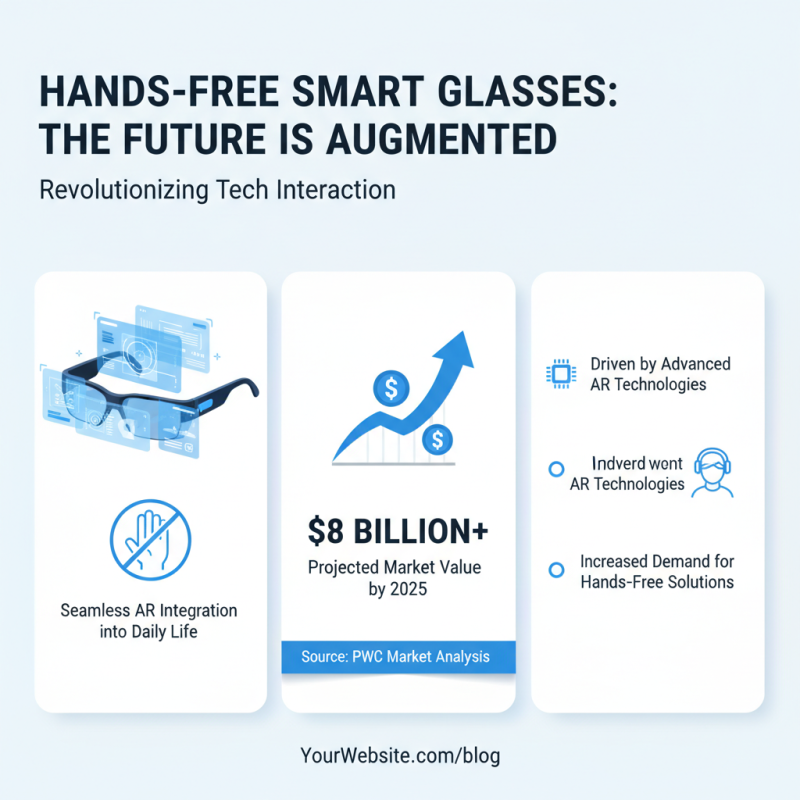
Hands-free smart glasses are revolutionizing how we interact with technology. They integrate augmented reality (AR) into our daily lives. According to a recent market analysis by PWC, the smart glasses market is projected to exceed $8 billion by 2025. This growth is largely driven by advances in AR technologies and increased demand for hands-free solutions.
Future trends in this technology suggest improvements in usability and functionality. For instance, lighter materials and better battery life are critical. Current models often face criticism for being bulky or short-lived. The idea is to make them seamlessly blend into our lives. A report by Statista indicates that over 60% of users desire better performance and comfort in wearables. Challenges remain, such as privacy concerns and user acceptance. Many find these devices intrusive or overwhelming, leading to hesitance in adoption.
In the workplace, hands-free smart glasses have found their niche. They enhance productivity by allowing users to multitask effectively. However, industries must address issues like connectivity in remote areas. The reliance on high-speed internet can be a barrier. Studies show that 55% of professionals are excited about hands-free solutions, yet many remain unsure about their practicality. The future depends on balancing innovation with user comfort and societal acceptance.
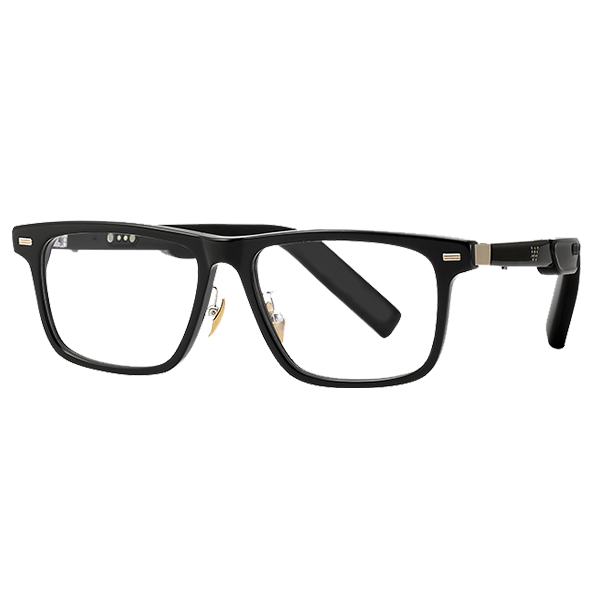 Smart Glasses
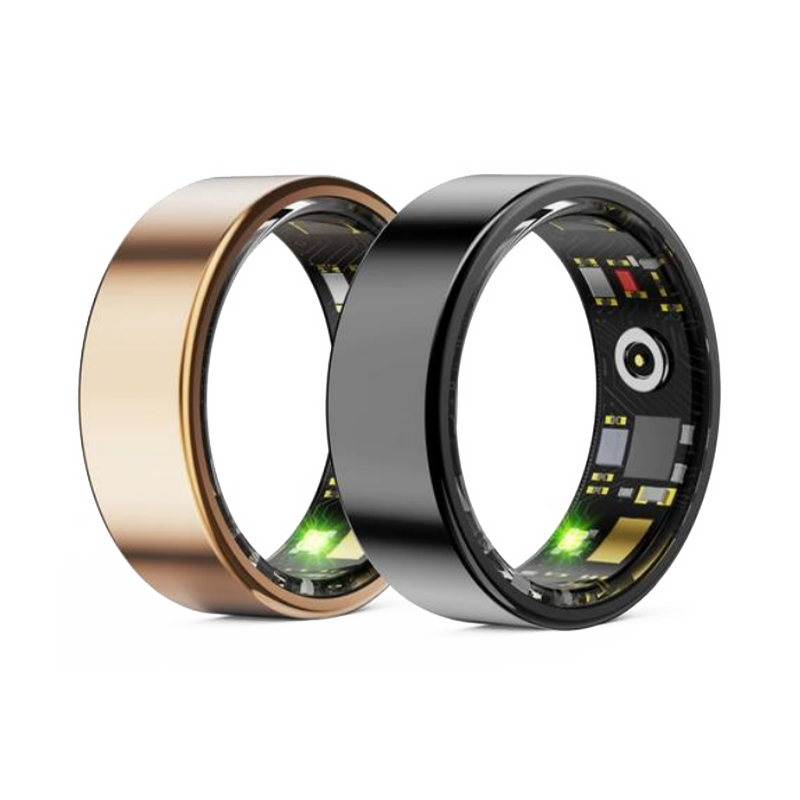 Smart Ring
 Smart Locator


 +86-13613020876

 CONTACT NUMBER
 CONTACT NUMBER