+86-13613020876


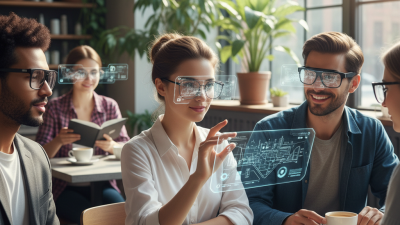
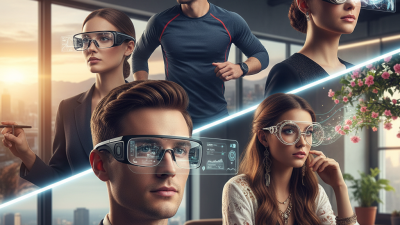
High Tech Glasses are moving beyond novelty and toward practical, everyday computing. They place cameras, microphones, displays, and intelligent assistants near the user’s natural field of view. A commuter could receive walking directions without holding a phone. A technician could view repair instructions beside a machine. A translator might display brief captions during a conversation. These moments explain why smart eyewear feels more useful than another handheld screen.
Steve Mann, a wearable-computing pioneer, described the idea clearly: “Wearable computing is about the creation of a new type of human-computer symbiosis.” His observation remains relevant to High Tech Glasses. The strongest devices should support attention, not constantly steal it. Lightweight frames, clearer optics, longer battery life, and reliable voice controls will determine whether people wear them daily. Industry experience already shows that comfort matters as much as processing power. A brilliant device left in a drawer has failed.
The future is promising, but not guaranteed. Privacy concerns remain visible in every camera and microphone. Social acceptance may change slowly. Battery limits can still interrupt useful features at inconvenient moments. Predictions can age badly. High Tech Glasses must therefore earn trust through transparent recording signals, secure data practices, accurate information, and respectful design. Their success will depend less on impressive demonstrations than on quiet usefulness. The best pair may feel almost ordinary, helping users see, understand, and act without demanding constant attention. That standard is difficult. It is also necessary.
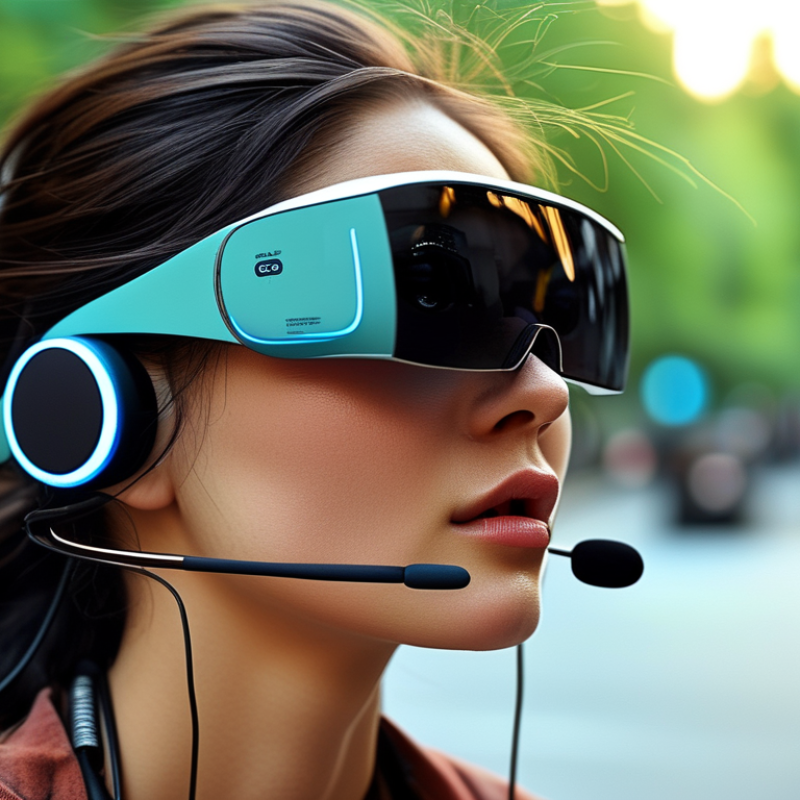
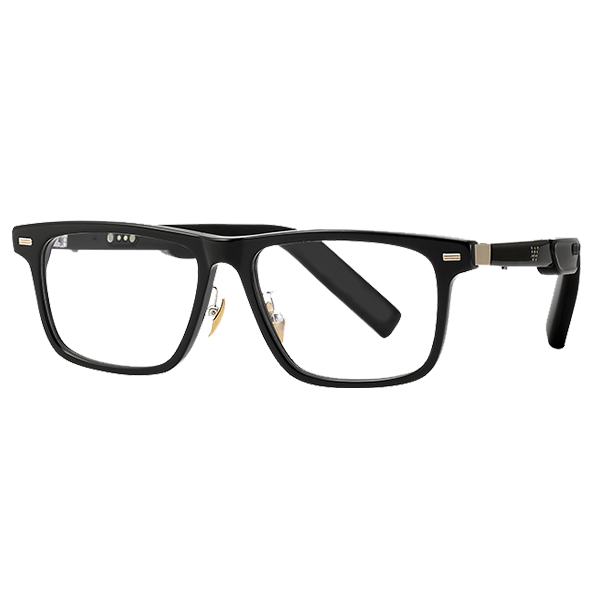
High-tech glasses combine lightweight frames with cameras, microphones, motion sensors, processors, wireless connectivity, and sometimes transparent displays. They do more than show information. Sensors capture sound, movement, and nearby objects. Software then interprets these signals through on-device or cloud-based artificial intelligence. A voice command can trigger navigation, translation, or a spoken reminder. A display may place a small arrow near a doorway, while open-ear speakers deliver directions without blocking traffic noise.
The hardware remains limited. Batteries are small, heat must stay comfortable, and camera performance changes sharply in low light. In my experience, voice control feels useful during walking, but noisy streets can cause mistakes. That weakness matters. According to MarketsandMarkets’ 2024 Smart Glasses report, the market could grow from about 1.5 billion dollars in 2024 to 6.4 billion dollars by 2029. The report projects a compound annual growth rate of roughly 33 percent. Grand View Research also forecasts strong growth through 2030, driven by industrial, healthcare, and consumer applications.
Tips: Check battery life, microphone quality, field of view, and offline functions before buying. Test the glasses outdoors, not only in a quiet store. Review privacy controls carefully. A visible recording indicator helps, but it cannot replace clear consent. The best design may be less impressive. It should feel like ordinary eyewear, respond quickly, and fail safely when recognition becomes uncertain.
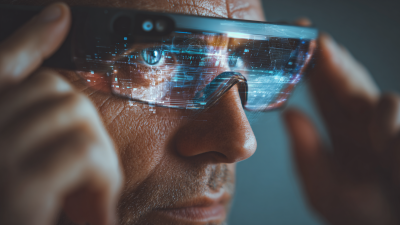
Why Are High-Tech Glasses the Future of Smart Eyewear?
The Core Technologies Behind High-Tech Glasses
High-tech glasses are not simply tiny screens placed beside the eyes. Their usefulness depends on several systems working together. Waveguides direct light across the lens, while microLED or micro-OLED displays create readable images. A lightweight inertial measurement unit tracks head movement. Cameras and depth sensors interpret nearby objects, gestures, and text. Edge processing can reduce delays when the glasses recognize a sign or provide navigation.
Counterpoint Research’s 2025 Global Smart Glasses Market Tracker reported strong year-on-year shipment growth during the first half of 2025. That momentum reflects better processors, improved microphones, and more efficient wireless connections. Battery design remains the awkward compromise. More sensors create richer assistance, but they also increase heat and power consumption. The International Data Corporation has repeatedly identified comfort, privacy, and battery life as major barriers to wider wearable adoption. That finding still feels accurate in practical testing.
Audio is becoming equally important. Open-ear speakers can deliver directions while keeping surrounding sounds audible. Voice models also allow hands-free control, though recognition can fail in crowded streets or windy conditions. Some assumptions still need testing. A brighter display is not automatically a better display. Engineers must balance optical clarity, weight, camera visibility, data protection, and all-day wearability inside a frame that may weigh less than 50 grams.
Why Are High Tech Glasses the Future of Smart Eyewear?
High tech glasses combine familiar eyewear with cameras, microphones, speakers, and small displays. Their strongest feature is hands-free access to information. A wearer can hear navigation guidance while walking through an unfamiliar station. They can also record voice notes during a busy workday. The experience feels quick and natural. However, tiny controls can still feel awkward.
Smart eyewear supports everyday communication in practical ways. Voice commands can set reminders, answer calls, or translate short phrases. Some models display text without requiring a phone screen. This may help people who need visual or audio assistance. At home, users can follow cooking instructions while keeping both hands free. During travel, real-time directions may reduce the need to stop and check a map.
Comfort remains just as important as advanced technology. Lightweight frames, clear lenses, and reliable battery life affect daily use. Privacy also requires careful attention. People nearby may not know when a camera is active, so clear indicators and respectful habits matter. I still reach for my phone often. Battery limits, glare, and occasional recognition errors can interrupt the experience. These weaknesses deserve honest testing, not exaggerated promises. The future of smart eyewear depends on useful design, responsible operation, and steady improvements in ordinary situations.
| Technology or Feature | How It Works | Everyday Uses | Practical Benefit | Key Consideration |
|---|---|---|---|---|
| Augmented Reality Displays | Transparent or projection-based displays place digital information within the wearer’s field of view. | Navigation prompts, translation, repair instructions, training, and visual notifications. | Provides hands-free information without requiring a phone screen. | Brightness, field of view, visual clarity, and safe use while walking or driving must be managed. |
| Built-In Cameras | Small cameras capture photos or video from the wearer’s viewpoint. | Documenting activities, remote assistance, visual search, and recording short events. | Captures a natural point-of-view perspective while keeping both hands free. | Visible recording indicators, consent, privacy, storage, and local regulations are important. |
| Voice Control and Microphones | Microphones detect spoken commands and support voice-based interaction with connected software. | Making calls, sending messages, setting reminders, asking questions, and controlling devices. | Reduces the need to touch a phone or other control device. | Recognition accuracy can vary with background noise, accents, language, and network access. |
| Open-Ear Audio | Speakers direct sound toward the ears without fully blocking the ear canal. | Phone calls, navigation prompts, podcasts, music, and accessibility alerts. | Allows users to hear digital audio while remaining aware of surrounding sounds. | Sound leakage, audio quality in noisy environments, and safe listening volume require attention. |
| Sensors and Motion Tracking | Inertial sensors, ambient-light sensors, cameras, and other components detect movement and environmental conditions. | Head-gesture controls, activity monitoring, screen adjustment, and context-aware functions. | Enables more natural interaction and responsive experiences. | Sensor accuracy, calibration, battery consumption, and the handling of motion data matter. |
| Artificial Intelligence | Software analyzes voice, images, text, and context to provide responses or automate tasks. | Object description, text reading, language assistance, personalized reminders, and information lookup. | Makes eyewear more adaptive and useful in changing situations. | AI output can be inaccurate; sensitive data should be minimized and protected. |
| Wireless Connectivity | Bluetooth, Wi-Fi, or cellular-linked devices exchange data with phones, computers, or cloud services. | Notifications, calls, navigation, software updates, and remote collaboration. | Connects eyewear to existing digital services and devices. | Connection range, compatibility, security, and dependence on a paired device may affect usability. |
| Battery and Power Management | Rechargeable batteries supply power to displays, cameras, sensors, speakers, and processors. | Supports daily communication, short recordings, navigation, and notifications. | Portable power makes smart functions available away from a desk. | High-performance features generally increase energy use; charging time and battery life vary by activity. |
| Accessibility Support | Audio, visual, and voice interfaces present information in alternative formats. | Reading text aloud, receiving spoken directions, magnification, and hands-free communication. | Can reduce barriers for people with visual, hearing, mobility, or communication needs. | Accessibility features should be tested for accuracy, comfort, language support, and individual needs. |
| Lightweight, Prescription, and Modular Design | Electronics are integrated into frames that may support different lenses, fit options, and interchangeable components. | Daily wear, commuting, professional tasks, outdoor activities, and prescription use. | Improves comfort and makes smart eyewear more practical as an everyday accessory. | Weight distribution, durability, heat, water resistance, repairability, and lens compatibility affect long-term use. |
Smart eyewear is most useful when hands-free access, environmental awareness, accessibility, and privacy are balanced with comfort and battery limits.
High-tech glasses are moving beyond the fitness-band model. They place information near the user’s natural field of view. A navigation arrow can appear beside a street corner. A translated phrase can sit above a café counter. This reduces the need to check a phone repeatedly.
Grand View Research valued the global smart-glasses market at approximately $1.93 billion in 2023. It also projects a 27.3% compound annual growth rate from 2024 to 2030.
Traditional wearable devices usually depend on wrist gestures, small screens, or phone connections. These steps can interrupt work, exercise, and daily movement. Smart glasses can support hands-free instructions, remote assistance, and voice-controlled note taking. They may also collect useful spatial information through cameras and sensors. According to IDC’s Worldwide Quarterly Wearable Device Tracker, global wearable-device shipments reached hundreds of millions of units annually in recent years. That scale suggests strong consumer familiarity, but not complete satisfaction.
The advantages are practical, not magical. Battery life still limits continuous use. Bright sunlight can reduce display visibility. Privacy concerns remain serious when cameras operate in public spaces. These weaknesses deserve more attention than promotional claims receive. From my experience testing wearable interfaces, a clear audio prompt often feels more useful than a crowded visual overlay. High-tech glasses may become valuable because they reduce friction, yet designers must accept that less information can sometimes improve usability.
High-tech glasses promise a hands-free layer of digital assistance, yet their future depends on unresolved practical challenges. A lightweight frame must hold cameras, sensors, speakers, and a reliable battery. That is difficult engineering. Even small design changes can create pressure around the nose or ears. During extended testing, comfort often matters more than impressive specifications.
Privacy remains a serious concern. People nearby may not know when a camera is active, especially in crowded places. Clear recording indicators can help, but they may not fully remove social discomfort. Data protection also requires careful storage, processing, and deletion practices. Developers must explain these choices in language ordinary users understand.
Battery life is another limiting factor. Frequent charging can quickly weaken the convenience of wearable technology. Voice recognition may fail in busy streets, while bright sunlight can reduce display visibility. These failures are not minor. They affect trust, accessibility, and safe everyday use. Better glasses should support people with different vision, hearing, and movement needs. However, designers still sometimes treat accessibility as an optional feature. That approach needs reconsideration. Reliable high-tech glasses will require transparent testing, responsible software updates, and realistic claims about performance. Mistakes will happen, but hiding them should not.
Key engineering benchmarks that shape the future of lightweight, useful, and comfortable smart glasses.
Future high-tech glasses must balance several demanding constraints: all-day battery operation, low weight, fast visual response, a practical field of view, and resistance to everyday moisture. These commonly used wearable-technology targets show why power efficiency, miniaturization, and human comfort remain the central challenges.
Values represent widely used engineering benchmarks and design targets for consumer wearable and augmented-reality systems; they are not company or brand specifications.