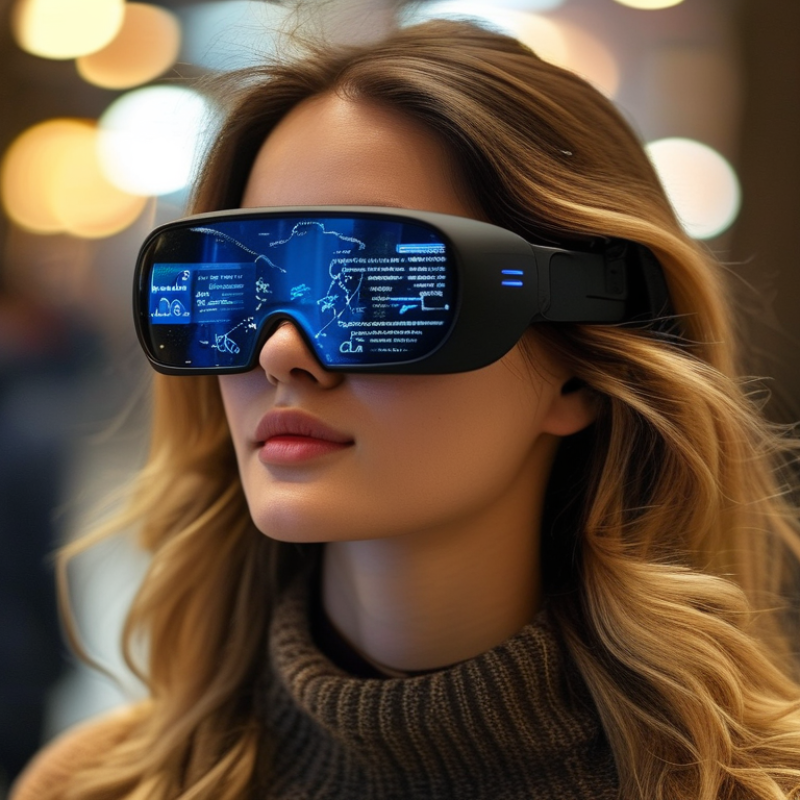
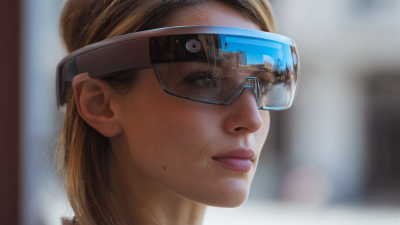
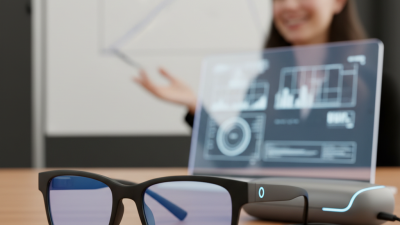
What is Smart Eye Glasses and How Do They Work?
Smart Eye Glasses represent a fascinating innovation in wearable technology. These devices blend augmented reality with everyday eyewear. Users can access information seamlessly, enhancing their daily experiences. With Smart Eye Glasses, notifications, GPS directions, and even phone calls become hands-free.
The technology integrates cameras and sensors, allowing for real-time data interaction. This innovation promises convenience and efficiency. However, potential challenges arise, such as privacy concerns. Users must be mindful of their surroundings and respect others’ privacy.
Smart Eye Glasses can provide immense benefits, yet they require responsible use. As this technology evolves, developers must prioritize user comfort and safety. Balancing innovation with ethical considerations is crucial for widespread acceptance.
What Are Smart Eye Glasses?
Smart eye glasses are innovative devices that combine eyewear with advanced technology. They allow users to access information in real-time while performing everyday tasks. These glasses are designed to enhance experiences, offering features such as augmented reality overlays, notifications, and hands-free navigation. Essentially, they are a bridge between the digital and physical worlds.
While smart eye glasses have fantastic potential, they also present challenges. User comfort is crucial. If the glasses are too heavy or cumbersome, they may not be practical for regular use. Additionally, privacy concerns arise, as the cameras embedded in the glasses can capture images without others' consent. Users need to be aware of their surroundings and the implications of their actions.
Tips for using smart eye glasses effectively include ensuring proper fit to avoid discomfort during long wear. Test the various features available to find what suits your daily needs. Be mindful of your environment; assess situations where using the glasses may not be appropriate. Balancing technology and social interaction can enhance your experience with these devices.
What is Smart Eye Glasses and How Do They Work? - What Are Smart Eye Glasses?
| Feature |
Description |
| Display Technology |
Utilizes micro-displays to project images directly onto the lenses. |
| Connectivity |
Often connects via Bluetooth or Wi-Fi to smartphones or other devices. |
| Voice Control |
Many models support voice commands for hands-free operation. |
| Camera Integration |
Equipped with built-in cameras for photo and video capture. |
| Augmented Reality |
Overlays digital content onto the real world through the lenses. |
| Battery Life |
Typically lasts between 4 to 8 hours depending on usage. |
| Application Areas |
Used in fields like gaming, navigation, healthcare, and industrial applications. |
The Technology Behind Smart Eye Glasses
Smart eye glasses combine advanced technology with everyday functionality. They incorporate micro-displays and sensors to overlay digital information onto the real world. This allows users to interact with both digital and physical environments seamlessly. When you look through the lenses, notifications from your smartphone, navigation instructions, or even augmented reality experiences can be visible right in your field of vision.
The technology behind smart eye glasses includes augmented reality (AR), which enhances the user’s perception. Small cameras capture real-time images while motion sensors track head movements. This enables the device to adjust the information displayed based on where you're looking. Moreover, voice recognition features are often included, allowing hands-free operation. Yet, these technologies are not perfect. Users sometimes experience issues like lag or the need for frequent recalibration. Adjusting to wearing smart glasses can also be challenging. The weight and fit might disrupt the user’s comfort. This raises questions about the design and usability of smart technologies.
Key Features and Functions of Smart Eye Glasses
Smart eye glasses fuse advanced technology with everyday functionality. These devices contain built-in cameras, microphones, and speakers. They allow users to interact with digital information seamlessly. Imagine checking notifications or taking calls without reaching for your phone. The augmented reality (AR) capabilities enhance user experience, offering directions or translations in real-time.
One key feature is voice control. Users can command their smart glasses hands-free. This is particularly useful during activities like driving or cooking. The glasses also have display technology, projecting visuals directly into the user’s field of view. However, the design must remain lightweight and comfortable for daily wear. Battery life is a critical concern; short usage times could be a drawback.
Another function is health monitoring. Some models track eye strain or provide reminders for breaks. This feature promotes eye care, showcasing practicality. Yet, the accuracy of these sensors can be inconsistent at times. Users may find themselves questioning the reliability of health data. Smart eye glasses embody the future of personal technology but still face challenges that need addressing.
Applications of Smart Eye Glasses in Daily Life
Smart eye glasses are an exciting innovation in wearable technology. These devices blend augmented reality with everyday vision. People use them for various tasks, enhancing their daily routines.
In professional settings, smart eye glasses aid in hands-free operations. Technicians can access manuals while repairing equipment. This practical application increases efficiency and reduces the risk of mistakes.
Similarly, in healthcare, doctors can view patient data without looking away from their patients.
In everyday life, these glasses help navigation. Users receive directions without checking a phone. They also support fitness tracking, monitoring heart rates while running. The convenience is apparent, yet there are challenges.
Battery life can be limiting, and some users may feel uncomfortable wearing them for long periods. Adapting to this new technology can be a process.
Future Trends and Developments in Smart Eye Glasses
The future of smart eye glasses is both exciting and uncertain. These devices are poised to change how we interact with technology. With advancements in augmented reality (AR), users may soon experience enhanced environments. Imagine navigating through cities while getting real-time information displayed right before your eyes. This could transform everyday tasks, making them more efficient and engaging.
Yet, the rapid development of this technology brings challenges. Privacy concerns continue to surface. How will data from these devices be used? Users must weigh convenience against personal security.
Moreover, battery life and integration with existing tech also remain significant hurdles. As manufacturers strive for lighter, longer-lasting models, the balance between functionality and comfort is delicate. Innovations in battery technology could pave the way for longer usage without sacrificing design.
The evolution of smart eye glasses may redefine our perceptions of reality while urging us to reflect on our reliance on technology.
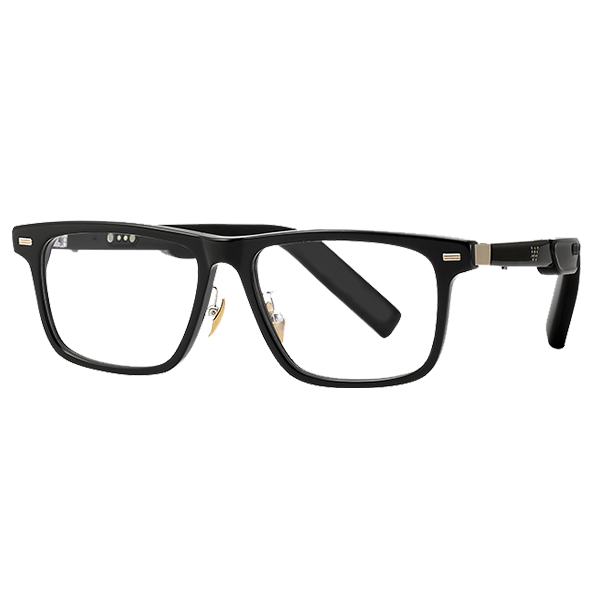 Smart Glasses
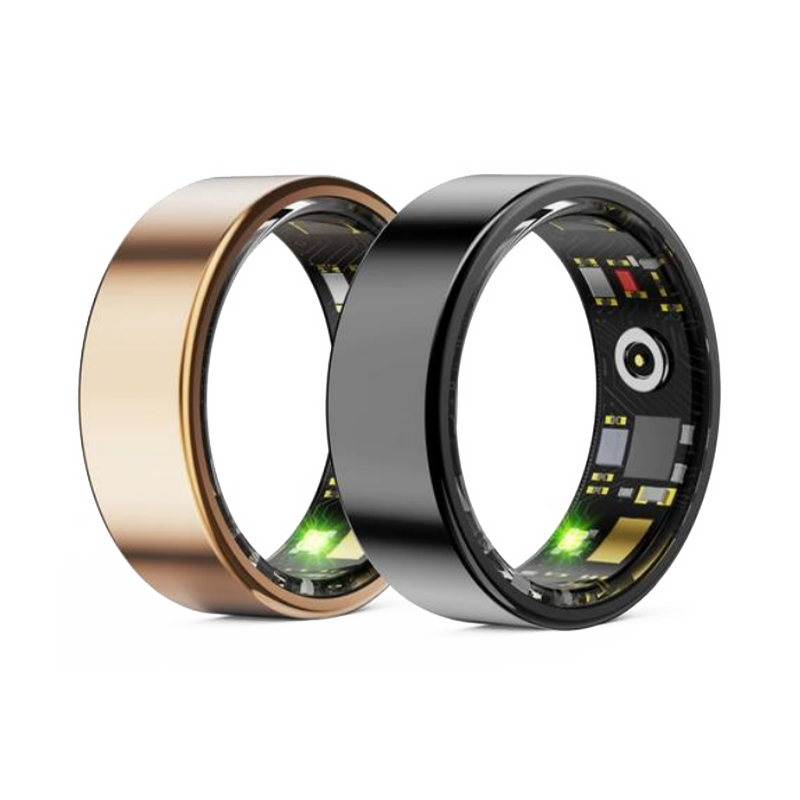 Smart Ring
 Smart Locator


 +86-13613020876

 CONTACT NUMBER
 CONTACT NUMBER