Ultimate Guide to Smart Glasses Features Benefits and Buying Tips
The rapid evolution of technology has ushered in a new era of wearable devices, with Smart Glasses emerging as a pivotal player in this landscape. According to a recent report by Market Research Future, the global smart glasses market is projected to grow at a compound annual growth rate (CAGR) of over 17% from 2022 to 2030, driven by advancements in augmented reality (AR) and virtual reality (VR) applications. This growth is not merely a statistic but a reflection of increasing consumer interest in how Smart Glasses can enhance productivity, gaming, education, and healthcare.
Smart Glasses come equipped with an array of features that can significantly improve user experience. Enhanced connectivity, real-time information display, and hands-free operation are just a few attributes that set Smart Glasses apart from traditional eyewear. As industry trends indicate a shift towards more integrated and interactive technology, consumers are increasingly aware of the benefits, including convenience and improved access to information. Moreover, a study by Grand View Research highlights that sectors such as retail and logistics are particularly showing interest in Smart Glasses, with demand expected to skyrocket as more businesses recognize the potential applications in real-world settings.
In this Ultimate Guide to Smart Glasses, we will explore the essential features, benefits, and tips for selecting the right pair of Smart Glasses for your needs. By understanding the market landscape and key capabilities, you will be better equipped to make an informed decision in this becoming essential aspect of modern technology.

Understanding Smart Glasses: Definition and Technology Overview
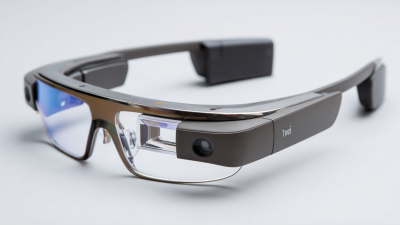
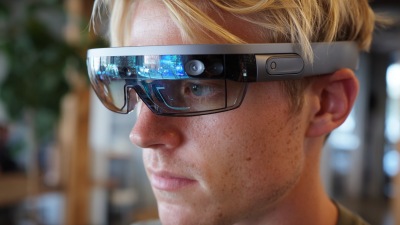
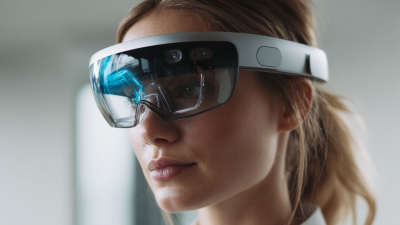
Smart glasses represent a significant advancement in wearable technology, merging the boundaries between the digital and physical worlds. At their core, they are a type of eyewear equipped with built-in display screens that can overlay digital information onto the user's field of vision. This integration allows for real-time data access and interaction, enhancing everyday tasks with augmented reality (AR) features. The technology typically incorporates sensors, cameras, and connectivity options, enabling users to engage with applications that provide navigation assistance, notifications, or even hands-free communications.
The fundamental technology behind smart glasses lies in their use of augmented reality, which relies on sensors and software to interpret the surrounding environment. Through the use of depth sensors and cameras, smart glasses can understand spatial structures and deliver contextual information based on the user's location and actions. This capability not only enriches the user's experience but also paves the way for innovative applications across various fields, including healthcare, education, and entertainment. As this technology evolves, it continues to offer new opportunities for interaction, making daily activities more efficient and enjoyable.
Ultimate Guide to Smart Glasses Features Benefits and Buying Tips
| Feature |
Description |
Benefits |
Buying Tips |
| Display Technology |
Types include OLED, LCD, and MicroLED |
Better image quality and battery efficiency |
Look for high resolution and brightness ratings |
| Camera |
Built-in cameras for photo and video capture |
Hands-free recording of experiences |
Check camera quality and video resolution |
| Audio |
Integrated speakers or bone conduction technology |
Immersive sound experience without occluding ear |
Prioritize good sound quality and comfort |
| Battery Life |
Duration of use on a single charge |
Longer usage times enhance practicality |
Consider real-world usage statistics |
| Connectivity |
Wi-Fi, Bluetooth, and cellular options |
Flexibility of use with other devices |
Ensure compatibility with your devices |
| Augmented Reality |
Overlay digital information on the real world |
Enhanced interaction with the environment |
Test AR functionalities before buying |
Key Features of Smart Glasses: What to Look For
When exploring the key features of smart glasses, one of the most critical aspects to consider is display technology. High-quality displays are vital for enhancing user experience, allowing for clear visibility in various lighting conditions. Look for smart glasses that offer a balance between brightness and contrast, ensuring content remains legible even in bright sunlight. Additionally, resolution matters; higher pixel counts enhance the clarity of text and images, making reading and interaction smoother.
Another essential feature to assess is connectivity. Smart glasses should seamlessly integrate with smartphones or other devices via Bluetooth or Wi-Fi, enabling easy access to notifications, navigation, and voice commands. This connectivity extends the functionality of the glasses, transforming them into a versatile tool for both entertainment and productivity. Battery life is also a significant consideration; longer-lasting batteries enhance the usability of smart glasses throughout the day without frequent recharges.
Finally, consider the comfort and style of the smart glasses. Since they are intended for prolonged wear, the design should prioritize a lightweight frame and ergonomic fit. Adjustable components, such as nose pads and temple arms, can significantly enhance comfort. Look for options with a modern aesthetic that suits your taste, as the style of smart glasses can influence your willingness to wear them regularly. Choosing the right combination of these features will ensure that smart glasses meet your needs and fit seamlessly into your daily life.
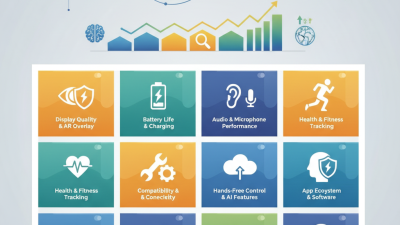
Smart Glasses Features Comparison
Benefits of Smart Glasses: Enhancing Daily Life and Work
Smart glasses have emerged as a groundbreaking technology that enhances both daily life and work environments. One of the key benefits of these devices is their ability to provide hands-free access to information. This capability is particularly advantageous in professional settings, where individuals can receive notifications, view schedules, or even utilize navigation tools without interrupting their workflow. This seamless integration of digital information into the user’s field of vision not only boosts efficiency but also allows for multitasking in a way that was previously unattainable.
In addition to increasing productivity, smart glasses can significantly enhance social interactions and communication. Many models come equipped with features that enable users to make video calls or share experiences in real-time, bridging the gap between physical and virtual presence. This is especially beneficial in collaborative work environments, where teamwork and instant communication are vital. Moreover, in everyday life, smart glasses can facilitate effortless sharing of moments through photography or social media integration, making it easier to stay connected with friends and family. By fostering both professional and personal connections, smart glasses are revolutionizing the way we experience and manage our daily activities.
Buying Tips: How to Choose the Right Smart Glasses for You
When choosing the right smart glasses for your needs, there are several key factors to consider. First, evaluate the display technology and resolution. According to a report by the International Data Corporation (IDC), 63% of consumers prioritize high-resolution displays for clearer visuals, making it integral to have a model that meets your clarity requirements. Look for options that provide at least 1080p resolution, as this ensures a better viewing experience, especially for multimedia applications.
Another important aspect is battery life. Industry analysis by Statista indicates that users expect smart glasses to last at least 8 hours on a single charge, aligning with average daily usage patterns. Consider how often you'll use your smart glasses and whether the product's battery capacity can support your lifestyle without frequent recharging.
Lastly, assess compatibility with applications and devices you already own, as seamless integration can significantly enhance your overall experience. Researching user reviews and expert opinions will also aid in making an informed decision, ensuring you find the perfect fit for your tech needs.
Future Trends: The Evolution of Smart Glasses Technology
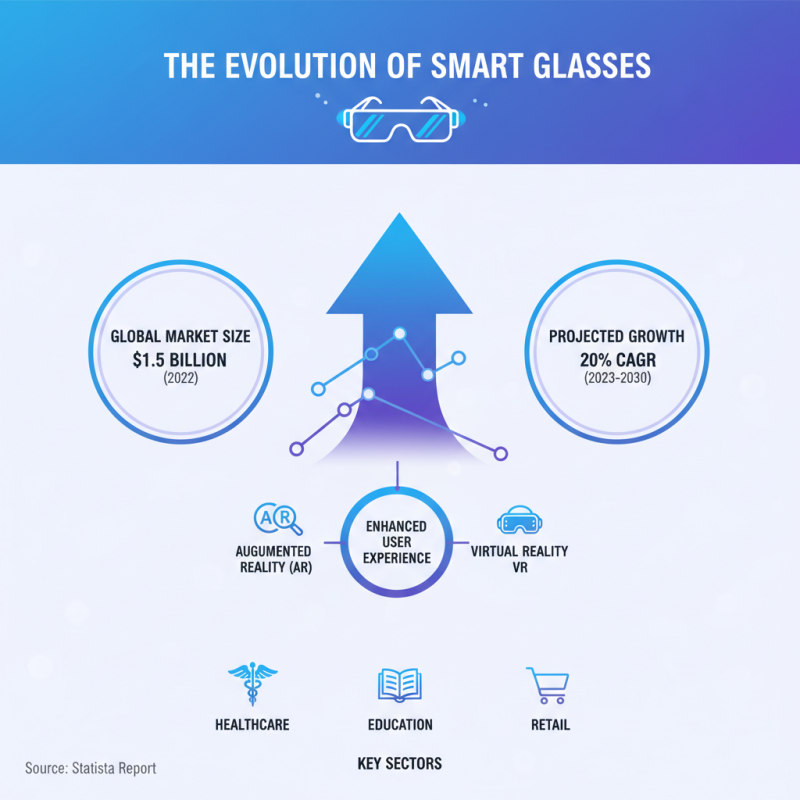
The evolution of smart glasses technology is rapidly advancing, with significant trends shaping their future. According to a report by Statista, the global smart glasses market size was valued at approximately $1.5 billion in 2022 and is projected to grow at a compound annual growth rate (CAGR) of over 20% from 2023 to 2030. This growth can be attributed to the increasing integration of augmented reality (AR) and virtual reality (VR) technologies, which enhance user experiences across various sectors, including healthcare, education, and retail.
One noteworthy trend is the miniaturization of components, allowing for more compact and stylish designs while retaining functionality. Consumers are increasingly drawn to designs that seamlessly blend with everyday fashion, coupled with enhanced user interfaces tailored for natural interaction. Additionally, advancements in battery technology are enabling longer usage times, addressing a key limitation faced in earlier models. As smart glasses become more appealing, their potential applications will expand, driving further innovation in the field.
**Tips:** When considering smart glasses for purchase, look for models with clear and adjustable displays for a more comfortable viewing experience. Additionally, check for compatibility with existing devices, as this can greatly enhance the overall functionality. Lastly, keeping an eye on upcoming software updates can ensure your device remains at the forefront of technology advancements.
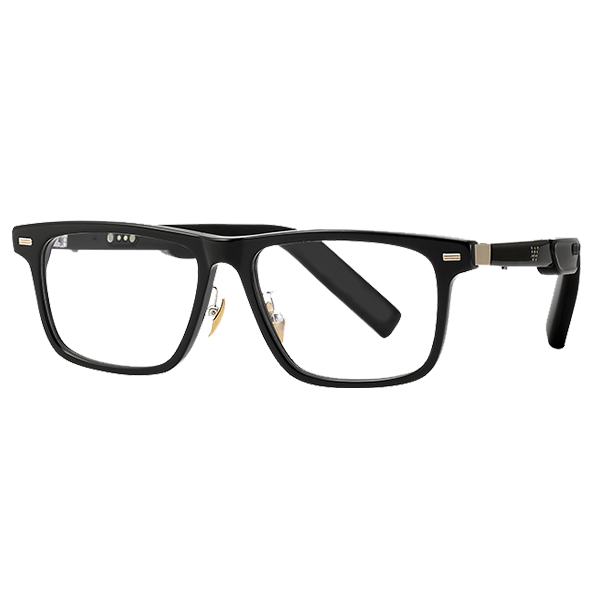 Smart Glasses
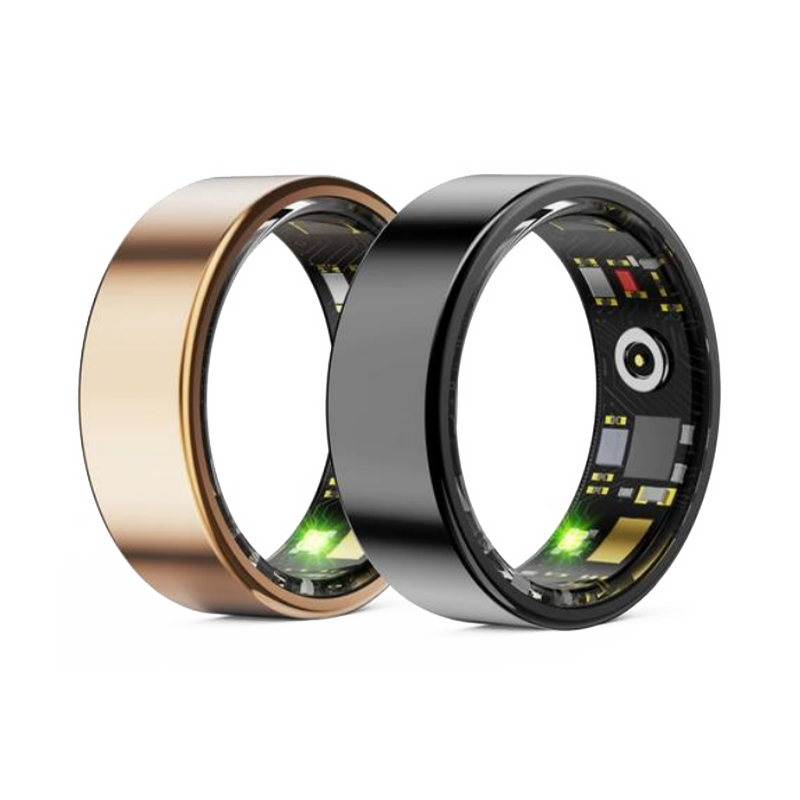 Smart Ring
 Smart Locator


 +86-13613020876

 CONTACT NUMBER
 CONTACT NUMBER