Smart Glasses For Cycling Are They Worth the Investment?
As cycling becomes increasingly popular, the demand for enhanced safety and performance tools rises. Smart glasses for cycling are a notable innovation in this realm. According to a recent report from the Consumer Electronics Association, the market for wearable technology, including smart glasses, is projected to grow by over 25% in the next five years. This growth reflects a shift in how cyclists engage with their surroundings.
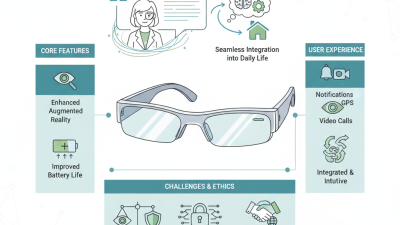
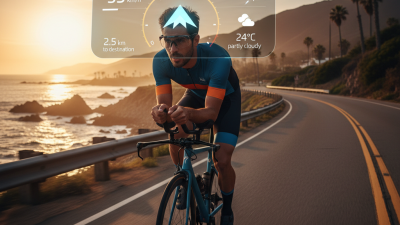
Smart glasses for cycling promise features like navigation, performance tracking, and real-time data display. They aim to improve safety, allowing cyclists to stay focused on the road while accessing vital information. However, these devices come with a price tag that can range from a modest investment to premium models exceeding $500. This raises a critical question: Are they worth the investment?
While the benefits appear enticing, some users report challenges with usability and battery life. It's essential to weigh these factors against your cycling habits and preferences. The experience isn't universal; not every cyclist will feel the need for such technology. Understanding your own requirements will guide you in deciding if smart glasses for cycling are a sound investment for your riding experience.

Overview of Smart Glasses Technology for Cycling
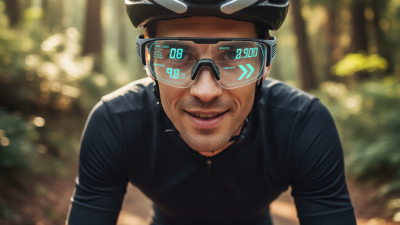
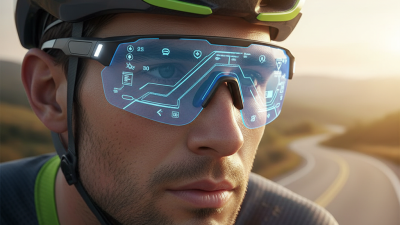
Smart glasses technology for cycling is gaining traction. These devices promise a blend of convenience, safety, and enhanced performance for cyclists. Many models feature heads-up displays that provide essential information. Metrics like speed, distance, and navigation are easily accessible. This can help cyclists stay focused on the road.
However, the effectiveness of smart glasses often depends on the user. Not every cyclist appreciates tech distractions during rides. Some find themselves overwhelmed by notifications. Balancing tech use with the cycling experience is crucial. Choosing the right settings can improve enjoyment and safety.
Tips: Consider your cycling habits before purchasing. If you bike for leisure, basic features may suffice. For avid cyclists, more advanced models may enhance performance. Always try on smart glasses before buying. A good fit is key to comfort during long rides.
Benefits of Using Smart Glasses While Cycling
Cycling enthusiasts are increasingly considering smart glasses. These devices offer significant benefits for riders. They provide essential data at a glance. This feature enables cyclists to keep their eyes on the road.
Smart glasses can display navigation, speed, and heart rate. This information helps in planning routes and monitoring performance. Real-time updates mean cyclists can adjust their pace without distraction. Unlike traditional bike computers, smart glasses do not require a quick glance down. They ensure safety by keeping the rider's focus forward.
However, smart glasses are not without limitations. Battery life can be a concern during long rides. Additionally, some users find the interface challenging to navigate. It's essential to test different models and features. Personal preferences play a big role in the overall experience. Despite these drawbacks, many cyclists find smart glasses enhance their rides. They integrate technology with cycling in a practical way.
Key Features to Look for in Cycling Smart Glasses
When considering smart glasses for cycling, several key features stand out. The display must be clear and easy to read in bright sunlight. Many models offer heads-up displays that show speed, distance, and navigation. These features enhance safety by allowing cyclists to keep their eyes on the road. According to a report from the International Cycling Union, about 20% of cycling accidents happen due to distractions. Smart glasses can minimize this risk.
Battery life is another crucial aspect. Most smart glasses can last between 4 to 8 hours on a single charge. This duration often depends on how many features are active. Overusing GPS and voice commands can drain the battery faster. A survey by Cycling Weekly indicated that 40% of users experience frustration with short battery life. It's essential to choose models that align with your cycling habits.
Comfort and fit are equally important. Lightweight designs and adjustable features improve comfort during long rides. Users often forget they’re wearing them. However, some users report that bulky designs can be a nuisance. Finding a balance between function and comfort can be challenging. Always consider your cycling style before investing.
Cost Analysis: Are Smart Glasses Worth the Investment?
Smart glasses have gained traction among cycling enthusiasts, but are they truly worth the investment? A cost analysis reveals a mixed picture. According to a recent industry report, high-end smart glasses can cost anywhere from $300 to $1,500. This price tag may seem steep for casual cyclists. However, for serious riders, the functionality could justify the expense.
Features like real-time navigation, performance tracking, and hands-free operation add significant value. Data from the Tech Wearables Industry shows that over 65% of users report increased safety and efficiency while cycling. Yet, it's essential to consider battery life and potential distractions, as these could detract from the overall experience. Riders might find themselves struggling with frequent charging or focusing on notifications instead of the road.
Tips: When considering smart glasses, think about your cycling habits. Will you use them for daily commutes or long-distance rides? Additionally, assess compatibility with your existing gear. Try to avoid unnecessary upgrades that could break the bank. Reflect on whether the features align with your needs before making a purchase.
User Feedback and Real-World Experiences with Smart Glasses
Many cyclists are curious about smart glasses. User feedback reveals mixed experiences that can guide potential buyers. Some riders appreciate the hands-free navigation features. They enjoy accessing maps and stats without looking down. Others find these glasses distracting, especially during intense rides.
In real-world conditions, battery life is a concern. Users report that heavy usage drains power quickly. Some glasses also struggle in bright sunlight. It can be challenging to see the display clearly. Comfort is another issue; a few users find the fit causes discomfort over long rides. Feedback indicates that proper adjustment is crucial for a pleasant experience.
Despite these challenges, many cyclists still find value in smart glasses. They can provide an efficient way to stay informed while riding. However, potential buyers should carefully consider their biking habits. Testing different models can help ensure a good fit and function. Personal experiences vary widely, emphasizing the need for individual assessment.
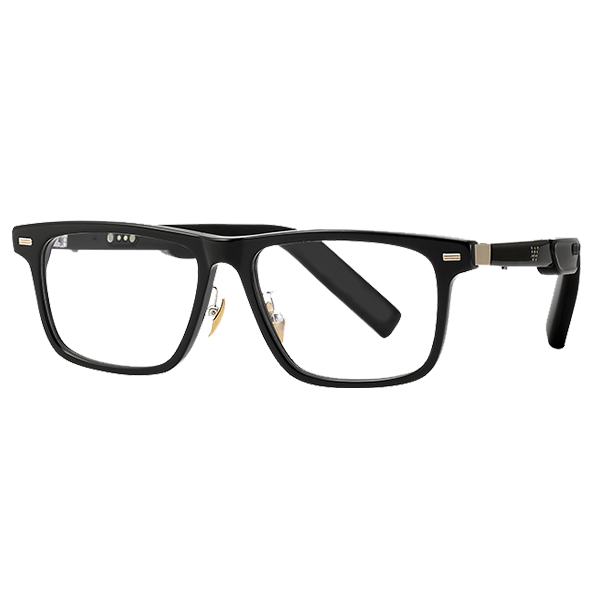 Smart Glasses
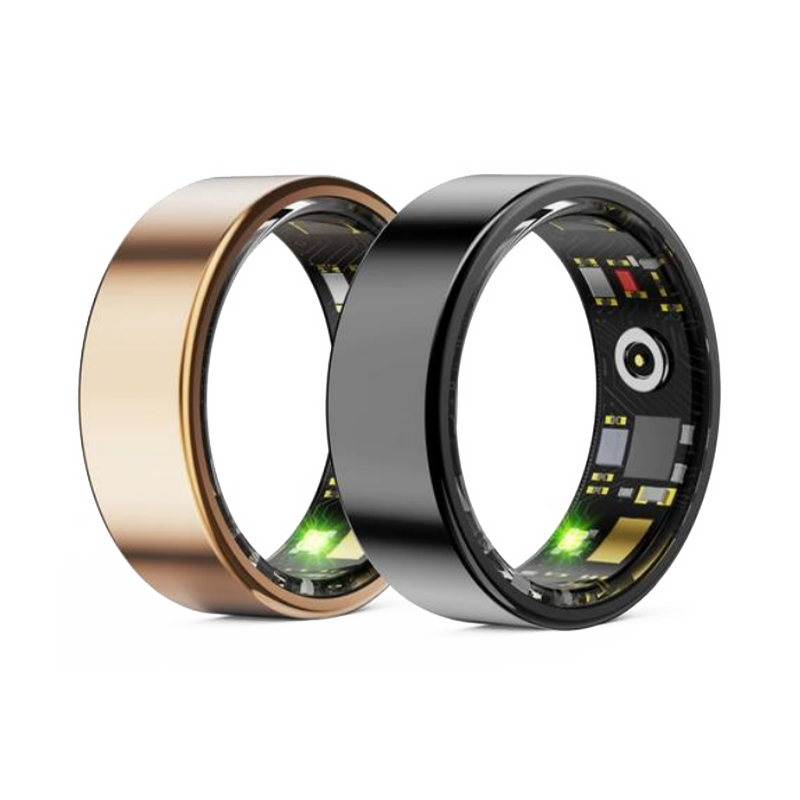 Smart Ring
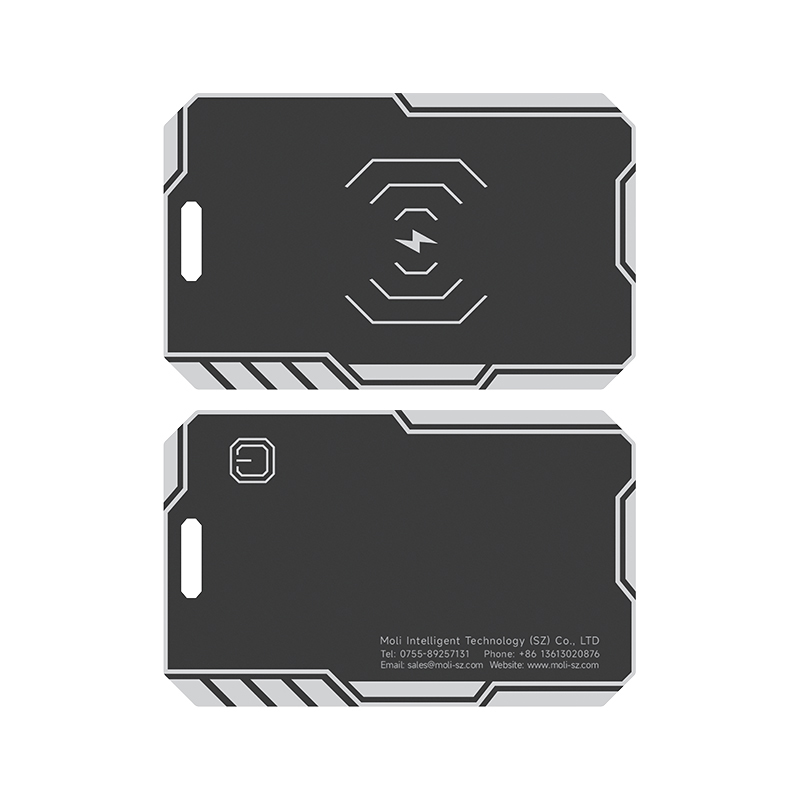 Smart Locator


 +86-13613020876

 CONTACT NUMBER
 CONTACT NUMBER