Why Smart Glasses Technology is Revolutionizing Your Business?
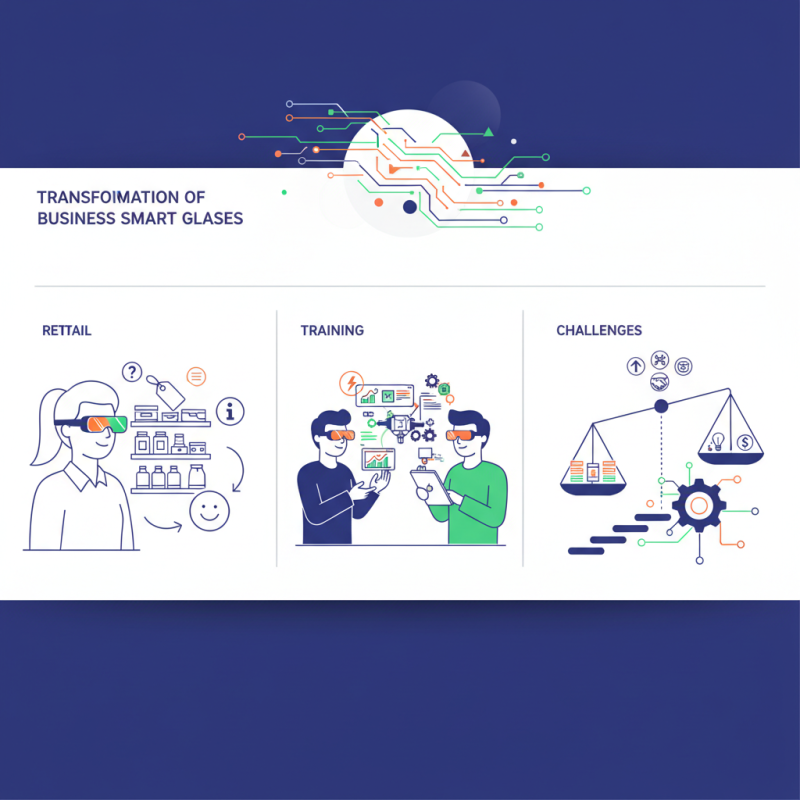
Smart Glasses Technology is changing the landscape of business. These innovative devices enhance how we interact with our environment. Imagine a retail worker using Smart Glasses Technology to instantly access product information. This immediate access can improve customer service dramatically.
Smart Glasses offer unique solutions for training and collaboration. Employees can view real-time data while keeping their hands free. This seamless integration can boost productivity and reduce errors. However, difficulties with user adoption remain a concern. Not all employees find the technology comfortable or intuitive. Companies must consider training as a key component for success.
The potential benefits are immense but also require careful planning. Implementing Smart Glasses Technology is not without challenges. Businesses must weigh the costs against the expected gains. Trust in this technology is essential but not universal. Evaluating how Smart Glasses fit into your organization is crucial. Taking measured steps can lead to meaningful transformation.
Understanding Smart Glasses Technology and Its Components
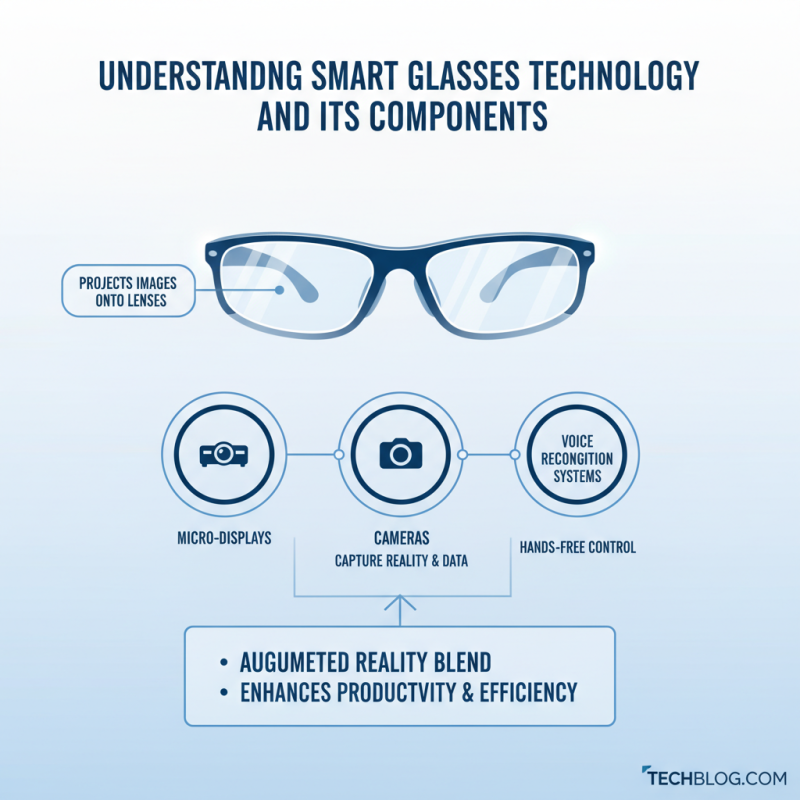
Smart glasses technology is an exciting development in various industries. These innovative devices blend augmented reality with practical applications. They often include components like micro-displays, cameras, and voice recognition systems. Micro-displays project images directly onto the lenses, allowing users to access information hands-free. This feature enhances productivity and efficiency.
Voice recognition is another critical component. It enables users to interact with the device without needing buttons. This hands-free operation can transform workflow processes, especially in manufacturing and healthcare. However, users may struggle with voice commands in noisy environments. There may also be limitations in battery life, which can hinder prolonged use.
Integration with other systems is essential for smart glasses to function effectively. They can connect with cloud services and smartphones, providing real-time data. Despite their advantages, the technology is still evolving. Concerns about privacy and data security remain. As businesses adopt smart glasses, ongoing assessment and improvement will be crucial to maximize their benefits.
The Impact of Smart Glasses on Business Operations and Efficiency
Smart glasses technology is making significant strides in business operations. According to a report by McKinsey, companies adopting smart glasses see a productivity boost of up to 30%. This increase can be attributed to hands-free access to critical information. Employees can now consult manuals or guidelines while keeping their hands free for tasks. This dual capability is transforming workflows in sectors from manufacturing to logistics.
Furthermore, smart glasses enhance communication in the workplace. A study by Deloitte revealed that 78% of employees using augmented reality glasses reported improved collaboration. Remote experts can guide on-site workers in real-time, reducing errors and downtime. However, integrating this technology is not without challenges. Training staff to adapt to this new interface can take time. The potential learning curve may hinder immediate efficiency gains. Businesses must invest in comprehensive training programs.
Adopting smart glasses can optimize various processes, but it might not be a one-size-fits-all solution. Organizations should assess their specific needs before fully committing. The effectiveness of smart glasses also depends on their integration into existing systems. While the potential is enormous, it requires thoughtful implementation to achieve the desired outcomes.
Why Smart Glasses Technology is Revolutionizing Your Business?
| Dimension |
Impact on Business Operations |
Efficiency Improvement (%) |
Adoption Rate (%) |
| Training & Development |
Enhanced learning through real-time guidance |
30% |
45% |
| Remote Assistance |
Faster problem resolution with expert support |
40% |
50% |
| Safety & Compliance |
Improved safety practices through hands-free operations |
25% |
35% |
| Inventory Management |
Streamlined stock handling with augmented reality overlays |
35% |
40% |
| Customer Interaction |
Personalized experiences through interactive displays |
50% |
30% |
Real-life Applications of Smart Glasses Across Various Industries
Smart glasses are changing how industries operate. In healthcare, surgeons can access patient data hands-free during operations. This reduces errors and boosts efficiency. Technicians in manufacturing use smart glasses for real-time data overlays. They can see instructions and diagrams without checking manuals. This immediate access leads to faster production times.
Retail environments are also benefiting. Employees wearing smart glasses can track inventory and aid customers with instant information. They can visualize products right in front of customers. This personalized experience enhances satisfaction, yet some retailers are hesitant to adopt this tech fully. Training staff is a challenge that many businesses face.
Moreover, in logistics, workers can optimize routes using smart glasses. They see map overlays that help reduce delivery times. However, the integration into existing systems can be complex. The potential is massive, but companies must evaluate their readiness. Smart glasses could still be in their infancy for many sectors.
Challenges and Considerations in Implementing Smart Glasses
Implementing smart glasses in a business setting brings unique challenges. One significant consideration is employee training. Staff must adapt to new technology. This transition can be frustrating at times. Workers may resist using smart glasses, especially if they feel overwhelmed. Ensuring proper training sessions can help ease this process.
Another challenge is integration with existing systems. Smart glasses may not seamlessly connect with current workflows. This can lead to inefficiencies, creating frustration among employees. Businesses must invest in compatible software and conduct thorough testing. Additionally, feedback from early users is crucial. It helps identify issues that may arise during implementation.
Privacy concerns also play a key role. Smart glasses can collect data and record interactions. This raises questions about data security. Businesses must establish clear policies for data handling. Open discussions about privacy help build trust. Adapting to smart glasses requires careful planning and ongoing evaluation. Addressing these challenges ensures a smoother transition and more effective use of the technology.
Future Trends and Innovations in Smart Glasses Technology for Businesses
Smart glasses technology is making waves in various business sectors. A recent report from Market Research Future indicates that the global market for smart glasses is forecasted to reach $20 billion by 2026. This growth highlights the increasing adoption of these tools for enhanced productivity and workflow efficiency.
One key trend in smart glasses is augmented reality (AR). AR overlays digital information onto the real world. For instance, training employees or enhancing customer experiences can now be done seamlessly. A study from Deloitte revealed that companies using AR in training saw a 40% improvement in retention rates. However, integrating AR can pose challenges. Businesses must ensure their teams are adequately trained to maximize the benefits.
Tips for implementation:
Consider starting with pilot projects. This allows you to test the technology and gather feedback. Engage employees to understand their needs. Maintaining balance between technology and human touch is vital. Regular updates are necessary, as keeping up with trends ensures relevance in the fast-evolving tech landscape.
 Smart Glasses
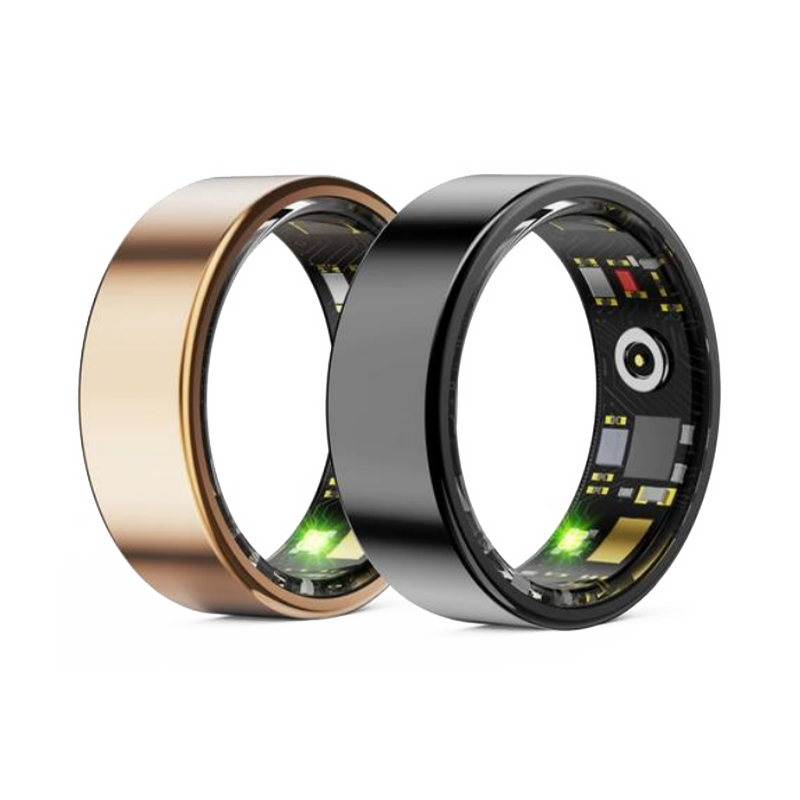 Smart Ring
 Smart Locator


 +86-13613020876

 CONTACT NUMBER
 CONTACT NUMBER