What Are Smart Lens Glasses and How Do They Work?
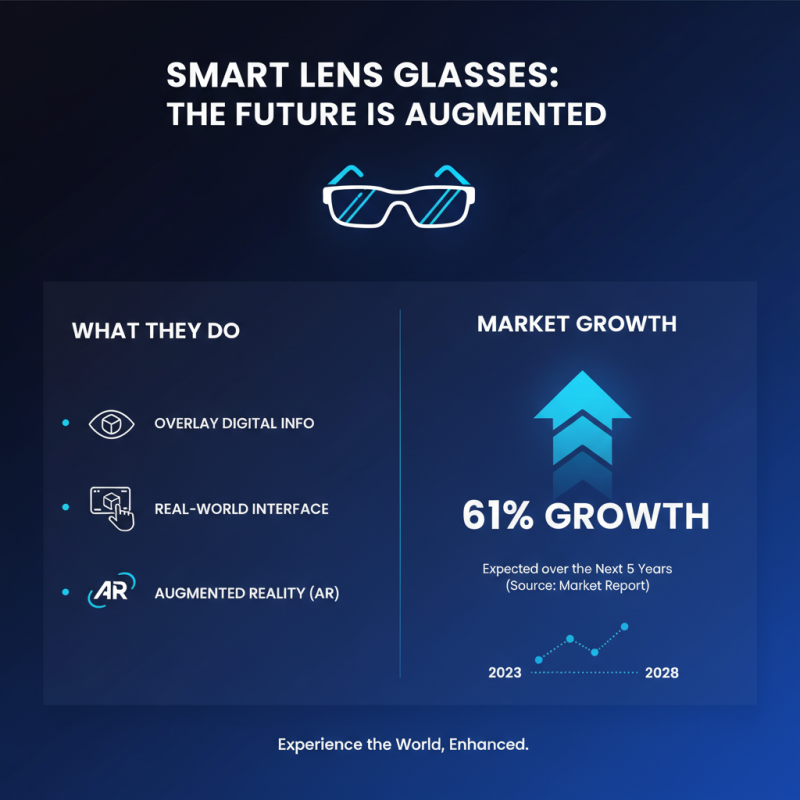
Smart Lens Glasses represent a transformative step in wearable technology. These innovative glasses integrate advanced optics and digital functions. According to a recent report from Market Research Future, the smart eyewear market is projected to grow at a compound annual growth rate (CAGR) of 12.15% through the next five years. This indicates a burgeoning interest in Smart Lens Glasses among consumers.
The technology behind Smart Lens Glasses combines augmented reality (AR) and optical features. Users experience a seamless blend of the digital world and real life. Companies like Google and Microsoft are investing heavily in this sector. Yet, the benefits seem overshadowed by challenges in usability and privacy concerns. Are we ready to embrace this technology fully?
Despite the promising advancements, many consumers remain skeptical. Reports suggest that 43% of potential users are concerned about data security. This hesitation highlights the need for manufacturers to address these fears. Smart Lens Glasses have incredible potential, but careful reflection on their implications is essential for widespread acceptance.

Definition and Overview of Smart Lens Glasses
Smart lens glasses are an innovative fusion of eyewear and technology. They overlay digital information onto the real world. According to a recent industry report, the market for smart eyewear is projected to reach over $22 billion by 2024. This rapid growth signals increasing consumer interest and technological advancements in augmented reality (AR).
These glasses feature micro-displays to deliver information in real time. Users can access notifications, navigation, and even health data simply by looking through the lenses. A significant study highlighted that 70% of users find smart glasses helpful for hands-free tasks. However, challenges remain. Battery life and comfort are often cited as areas needing improvement. Developers must refine these aspects while ensuring visual clarity and usability.
Real-world applications are expanding. In healthcare, surgeons can access vital data during procedures. In retail, staff can retrieve inventory info instantly. Despite their potential, many consumers remain skeptical. About 60% of people still question their practicality. Addressing these concerns is crucial for broader acceptance in everyday life.
Key Features and Technologies Behind Smart Lens Glasses
Smart lens glasses integrate cutting-edge technology into eyewear. These devices often feature built-in displays. They can project images, notifications, and even directions. The lenses may include augmented reality (AR) overlays. This creates an interactive visual experience. Users can see digital information overlaid on the real world.
One significant technology behind these glasses is the use of sensors. These sensors track head movements and gaze direction. This allows seamless interaction with the digital world. Voice recognition is another key feature. Users can control functions hands-free, increasing convenience. However, the accuracy of voice commands can vary based on environment.
Battery life is often a point of contention. Some glasses may not last long under heavy use. This can limit practicality. Users have also pointed out the comfort level. While many designs are sleek, weight can be an issue during extended wear. Overall, smart lens glasses combine functionality with daily life. Yet, they also invite reflection on their practicality and usability.
Smart Lens Glasses: Key Features and Technologies
Applications and Use Cases for Smart Lens Glasses
Smart lens glasses have emerged as a revolutionary piece of technology. These glasses bridge the gap between the digital and physical worlds. They allow users to access information seamlessly. Many individuals now use them for navigation, messaging, and even fitness tracking. Imagine getting notifications right in your field of vision. Sounds convenient, right?
In the workplace, smart lens glasses are game-changers. They enhance productivity by providing users with hands-free access to tasks. A technician can repair equipment while viewing complex schematics. However, some find these glasses distracting. The constant alerts can interrupt focus. In education, instructors use them to display interactive lessons. Students can engage more deeply. Yet, this reliance on technology raises questions. Are we losing the essence of face-to-face communication?
The healthcare industry also benefits greatly. Surgeons can overlay crucial data during procedures. This access can improve outcomes. However, not all medical professionals adapt easily. Some prefer traditional methods, fearing technology will fail during critical moments. Smart lens glasses offer immense potential. But their challenges must not be overlooked. As we explore these applications, a balance between innovation and tradition is essential.
What Are Smart Lens Glasses and How Do They Work? - Applications and Use Cases for Smart Lens Glasses
| Feature |
Description |
Use Case |
Benefit |
| Augmented Reality |
Overlaying digital information on the real-world view |
Navigation and gaming |
Enhanced interaction with surroundings |
| Voice Control |
Hands-free control using voice commands |
Taking photos and answering calls |
Increased convenience |
| Health Monitoring |
Tracking vital signs and health metrics |
Fitness and medical applications |
Proactive health management |
| Photography and Video Recording |
Capture photos and videos through the lenses |
Documenting experiences |
Hands-free recording |
| Real-time Translation |
Instant translation of text via lenses |
Travel and language learning |
Break down language barriers |
| Navigation Assistance |
Providing directions with visual prompts |
Driving and walking directions |
Improved travel efficiency |
Future Trends and Innovations in Smart Lens Technology
Smart lens glasses are at the forefront of technology. They combine traditional eyewear with advanced features. These glasses can display notifications, enable voice commands, and even monitor health metrics. As innovation progresses, smart lens technology will evolve significantly.
Future trends point toward integration with augmented reality (AR). Imagine walking through a city while receiving directions overlaid on your view. This could transform navigation. Another possibility is seamless interaction with social media. Quick updates could be accessible through your lens, preventing distractions from your surroundings.
Tips: When exploring smart lenses, consider your lifestyle. Determine if these features will enhance your daily routine. Feedback from users indicates that some eye strain may occur. Take regular breaks. Prioritize comfort while wearing these high-tech glasses. Also, remember that not all innovations will be perfect. Assess their usefulness based on your personal needs.
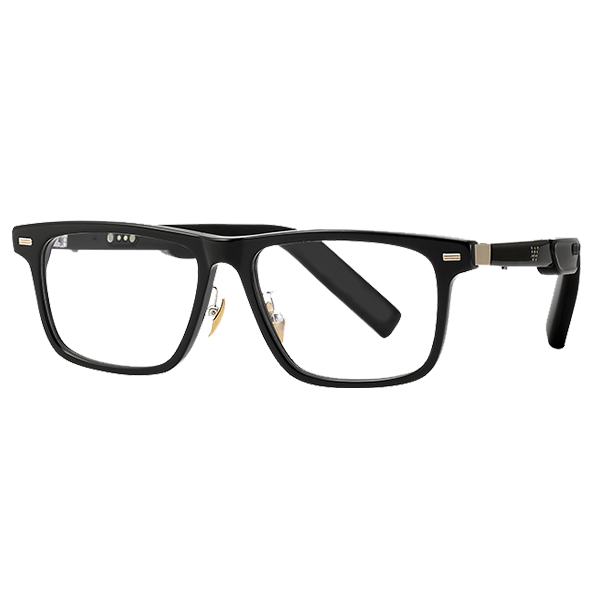 Smart Glasses
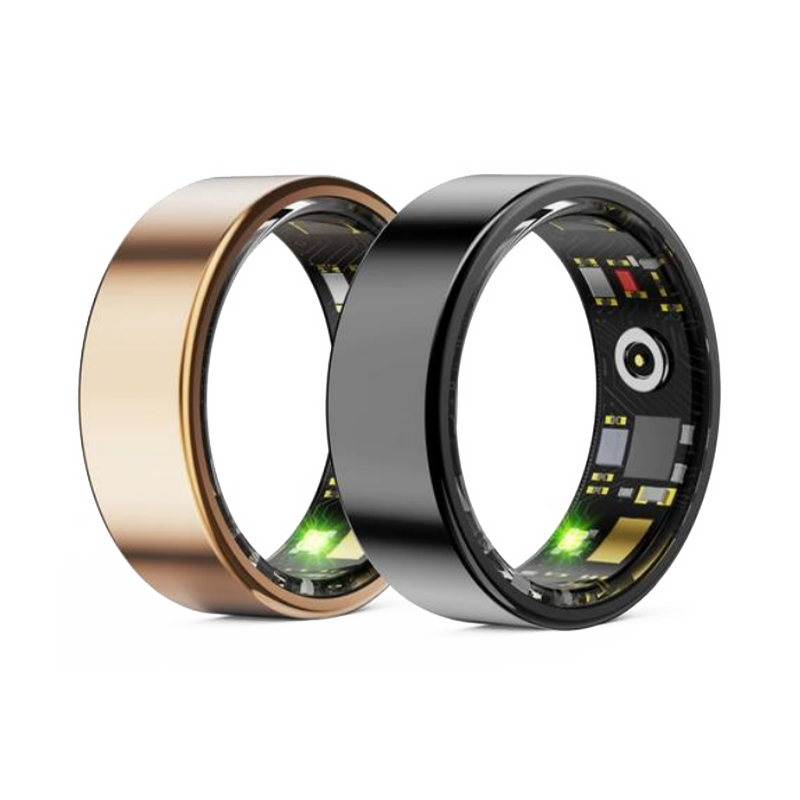 Smart Ring
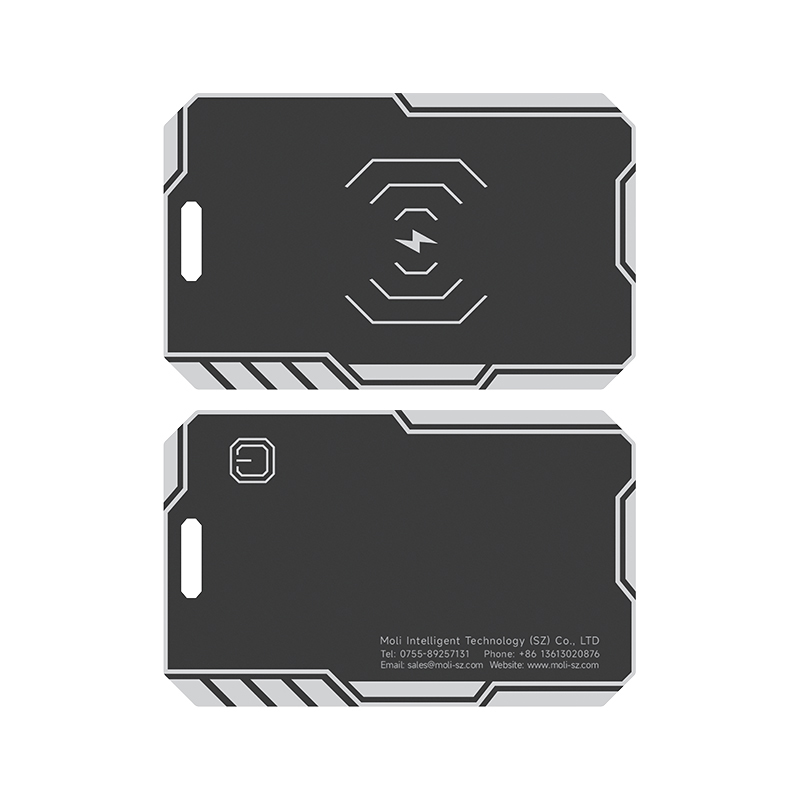 Smart Locator


 +86-13613020876

 CONTACT NUMBER
 CONTACT NUMBER