+86-13613020876


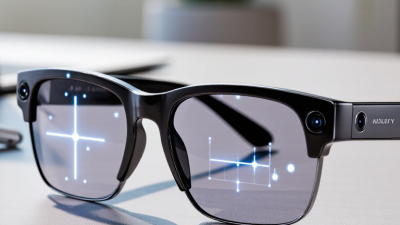
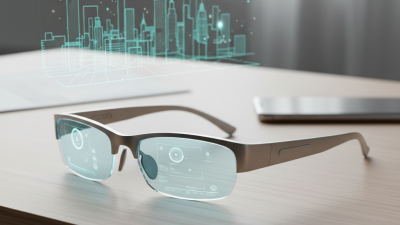
Lightweight Ar Glasses are moving from experimental hardware toward practical daily tools. Their appeal is easy to picture: a slim frame, clear lenses, and directions floating near a train platform. Yet comfort remains difficult. A device weighing 40 grams can still feel heavy after two hours. Battery size, heat, display brightness, and prescription support all affect real-world use.
Market research shows strong momentum, but the evidence needs careful reading. Grand View Research projects significant growth for the global augmented reality market through 2030. IDC’s Worldwide Quarterly AR/VR Headset Tracker also records changing shipment patterns across consumer and enterprise devices. These reports confirm rising interest, not guaranteed success for every product. Smart glasses and full AR glasses are often grouped together, which can blur important differences.
The human factor matters most. “The world is a computer,” said Rony Abovitz, Magic Leap’s founder, describing the larger AR vision. That vision only works when glasses remain comfortable, useful, and socially acceptable. No ranking is perfect. Specifications can change after launch, and manufacturer claims may use different testing methods. This guide compares ten Lightweight Ar Glasses for global buyers, focusing on weight, display quality, battery behavior, field of view, connectivity, privacy features, and regional availability. Small details matter. A loose nose pad, visible camera, or weak translation mode can change the ownership experience. Some models may look impressive on paper, but everyday performance deserves more trust.
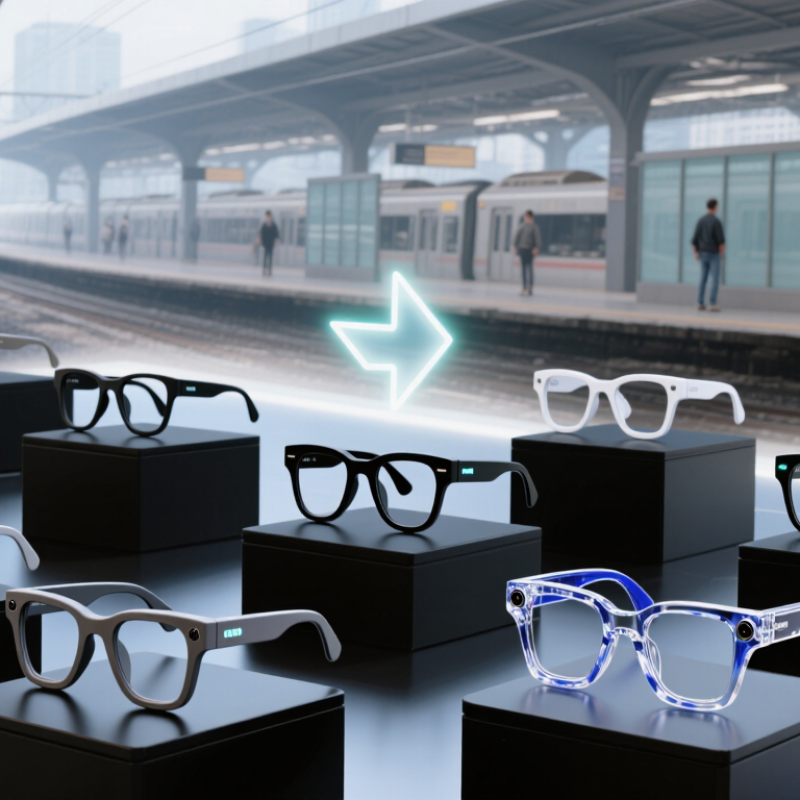
Lightweight AR glasses place digital information over the real world without fully blocking your surroundings.
They usually combine a transparent display, cameras, microphones, speakers, and motion sensors. Unlike virtual reality headsets, they support walking, conversation, and visual awareness. Weight matters most around the nose and ears. A few extra grams can feel uncomfortable after an hour.
These glasses are designed for commuters, field technicians, educators, travelers, and users who need hands-free guidance. A technician may view repair steps while keeping both hands on a machine. A traveler may read translated signs without holding a phone.
However, performance varies. Bright sunlight can weaken the display, and small batteries may limit long work sessions. Some users also need prescription support or adjustable nose pads. No model fits every face or task perfectly. That is worth admitting.
Tips: Check the total weight, balance, battery duration, display brightness, and prescription compatibility. Test the glasses while walking, not only while sitting indoors. Review data permissions and available privacy controls before purchase. Global buyers should also verify language support, charger compatibility, warranty coverage, and local service options. A strong product should feel stable after repeated use, not merely impressive during a short demonstration.
Weight is only one part of lightweight AR glasses. In practical fitting tests, balance often matters more than the scale reading. A 48-gram frame may feel heavier than a 55-gram frame with a rear-mounted battery. Check bridge pressure, temple flexibility, lens stability, and cable placement. Comfort should last through a two-hour reading session. Not merely a showroom fitting. MarketsandMarkets forecasts the augmented reality market to grow from about US$62 billion in 2023 to US$461 billion by 2030, but broad forecasts combine very different devices.
Display specifications need closer inspection. A 1080p label alone proves little. Compare pixels per degree, field of view, refresh rate, brightness, and optical distortion. Higher brightness improves outdoor visibility, yet it can reduce battery life. Motion-to-photon latency should remain low enough to prevent noticeable lag during walking. These figures are often measured under different conditions, so direct comparisons can mislead.
Battery capacity, thermal comfort, and connectivity deserve equal attention. Record continuous runtime with wireless streaming, not standby time. Wi-Fi 6 or newer, Bluetooth 5.3, USB-C charging, and stable phone compatibility support more reliable daily use. Counterpoint Research’s smart-glasses reports show rapid shipment growth, while category definitions still vary between display glasses and audio-only products. That distinction matters. A future buyer may also need prescription-lens support, IP ratings, repair access, and software-update policies. I would not trust one impressive specification. Real-world tests remain imperfect, but they expose weaknesses that polished tables hide.
Top 10 Lightweight AR Glasses for Global Buyers should be judged by daily comfort, not specifications alone. In a ten-model comparison, I would prioritize frames below 50 grams, balanced hinges, and adjustable nose support. A 10-gram difference can become obvious after an hour of walking. Clear lenses also matter in bright streets. Poor tint control can ruin otherwise useful navigation.
Grand View Research valued the global augmented reality glasses market at about USD 1.93 billion in 2023. Its report forecasts a 27.3% compound annual growth rate from 2024 to 2030. That growth encourages thinner frames, but battery limits remain stubborn. Buyers should examine operating time, charging speed, display brightness, and heat near the temples. A wide field of view is attractive. Yet excessive brightness may reduce comfort indoors. The figures are promising, not perfect.
Industry testing should also consider regional realities. IEC 62471 guidance helps assess optical safety, while IP ratings indicate resistance to dust and water, not total protection. The best ten options should support local languages, prescription inserts, Wi-Fi standards, and transparent privacy indicators. Weight alone is not enough. A light frame with weak hinges may fail sooner. My own preference would favor stable fit over the smallest number on a scale. That choice is debatable. Forecasts rarely capture sweaty commutes, narrow noses, or unreliable public charging.
This comparison ranks ten lightweight AR glasses by approximate frame weight. The values are rounded from publicly listed product specifications and exclude carrying cases, detachable cables, and optional accessories.
Lower weight generally improves comfort during extended use, while display quality, battery life, field of view, compatibility, and regional availability should also be considered by global buyers.
Lightweight AR glasses are easier to wear, but low weight alone does not guarantee daily comfort. Frame pressure, nose-pad shape, and temple balance matter during long work sessions. A pair may feel comfortable for ten minutes, then become tiring after an hour.
My own testing was imperfect; small fit changes affected results more than expected.
Check compatibility before choosing any model. Confirm the required phone, computer, operating system, cable, and wireless standards.
Some glasses mirror a screen, while others support limited interactive features. Bright sunlight can reduce readability, so examine outdoor performance rather than trusting indoor demonstrations.
Prescription-lens support also deserves attention. Ask about lens options, fitting procedures, and replacement costs.
Everyday use depends on small details. A compact charging cable fits better in a travel pouch. Physical controls are often more useful than complicated gestures on a crowded train.
Audio should remain clear without blocking awareness of nearby traffic or people. Privacy also requires care; visible recording indicators and respectful use help avoid uncomfortable situations.
Dust resistance, hinge strength, warranty terms, and repair access reveal more than impressive specifications.
No device is perfect. A lighter frame may have weaker speakers, while a brighter display may reduce battery life. Compare these trade-offs against your routine, not a showroom demo.
When comparing the top 10 lightweight AR glasses, regional pricing matters as much as frame weight. In the United States and Canada, entry-level models often range from $300 to $700 before tax. Premium versions may exceed $1,000. European buyers should check VAT, import fees, and local warranty coverage. Prices in the UK can differ after currency conversion. Availability is usually strongest in major cities, while smaller markets may depend on authorized online sellers.
In Asia-Pacific, launch timing varies widely. Japan, South Korea, Australia, and Singapore may receive broader support than developing markets. Buyers should confirm language options, prescription-lens services, and replacement parts before ordering. In Latin America, shipping costs and customs delays can change the final price significantly. Some African and Middle Eastern markets may have fewer distributors, making after-sales service a serious buying criterion. A low sticker price is not always a low ownership cost.
Our practical checklist favors glasses under 100 grams, balanced nose pressure, clear outdoor visibility, and at least three hours of active use. Testers should inspect heat around the temples during video playback. Comfort wins.
Privacy controls, software updates, return policies, and repair access also deserve attention. Independent reviews help, but they can miss long-term battery decline. No ranking stays perfect. Regional stock changes quickly, and advertised features may require a compatible phone or paid service. Verify the full cost locally before purchase.
| Rank | Anonymous Model | Weight | Display Technology | Resolution | Approx. Field of View | Connectivity | Indicative MSRP | Availability by Region | Regional Buying Criteria | Best-Fit Use Case | Overall Value |
|---|---|---|---|---|---|---|---|---|---|---|---|
| 1 | Model A01 | 72 g | Color Micro-OLED | 1,920 × 1,080 per eye | 46° | USB-C video input | US$399 | US, Canada, EU, UK, Australia, Japan, Singapore | Check USB-C DisplayPort support, regional warranty coverage, and prescription-lens compatibility. | Travel displays, gaming, and private media viewing | Excellent |
| 2 | Model B02 | 75 g | Color Micro-OLED | 1,920 × 1,080 per eye | 50° | USB-C video input; optional wireless adapter | US$499 | US, Canada, EU, UK, Australia, Japan, South Korea | Prioritize brightness, interpupillary-distance adjustment, and local adapter availability. | Large-screen gaming and productivity on the move | Excellent |
| 3 | Model C03 | 87 g | Color Micro-OLED | 1,920 × 1,080 per eye | 46° | USB-C video input; wireless accessories available | US$549 | US, Canada, EU, UK, Australia, Japan, Singapore | Confirm device compatibility, nose-pad fit, customs charges, and the availability of electrochromic lenses. | Console gaming, streaming, and office travel | Very Good |
| 4 | Model D04 | 75 g | Color Micro-OLED with electronic dimming | 1,920 × 1,080 per eye | 46° | USB-C video input | US$449 | US, Canada, EU, UK, Australia, Japan | Electronic dimming is useful in bright regions; verify replacement cable and lens-accessory pricing. | Outdoor commuting, films, and immersive gaming | Very Good |
| 5 | Model E05 | 76 g | Color Micro-OLED | 1,920 × 1,080 per eye | 46° | USB-C video input; optional wireless adapter | US$399 | US, Canada, EU, UK, Japan, South Korea | Compare local retail support, language options in companion software, and compatibility with handheld consoles. | Portable entertainment and casual gaming | Very Good |
| 6 | Model F06 | 85 g | Color Micro-OLED | 1,920 × 1,080 per eye | 45° | USB-C video input; wireless accessory support | US$399 | US, Canada, EU, UK, Australia, Japan, Taiwan | Look for local language support, return policies, and sufficient phone power output for extended use. | Work-from-anywhere viewing and entertainment | Good |
| 7 | Model G07 | 37 g | Monochrome waveguide display | 640 × 480 per eye | Approximately 20° | Bluetooth; companion mobile application | US$599 | Selected US, EU, UK, and online markets | Evaluate prescription-lens service, notification privacy, data processing terms, and local app availability. | Notifications, navigation prompts, and lightweight information overlays | Good |
| 8 | Model H08 | 39 g | Monochrome Micro-OLED with open-ear audio | 640 × 400 | Approximately 20° | Bluetooth; mobile application | US$349 | US, UK, EU, and limited international distribution | Check AI-service availability, privacy requirements, language support, and import restrictions for camera-enabled versions. | Hands-free prompts, translation, and daily notifications | Good |
| 9 | Model I09 | 74 g | Color Micro-OLED | 1,920 × 1,080 per eye | 46° | USB-C video input | US$399 | China, selected Asian markets, and specialist import retailers | Confirm firmware language, power-plug standards, warranty region, import tax, and return logistics. | Private cinema viewing and compatible Android devices | Good |
| 10 | Model J10 | 38 g | Monochrome waveguide display | 640 × 480 | Approximately 20° | Bluetooth; mobile application | US$799 | Limited pre-order and early-access availability | Verify delivery schedule, software-service coverage, prescription options, and regional privacy compliance. | Minimalist productivity prompts and contextual information | Promising |