2026 Top AR Smart Glasses Trends for Global Buyers?
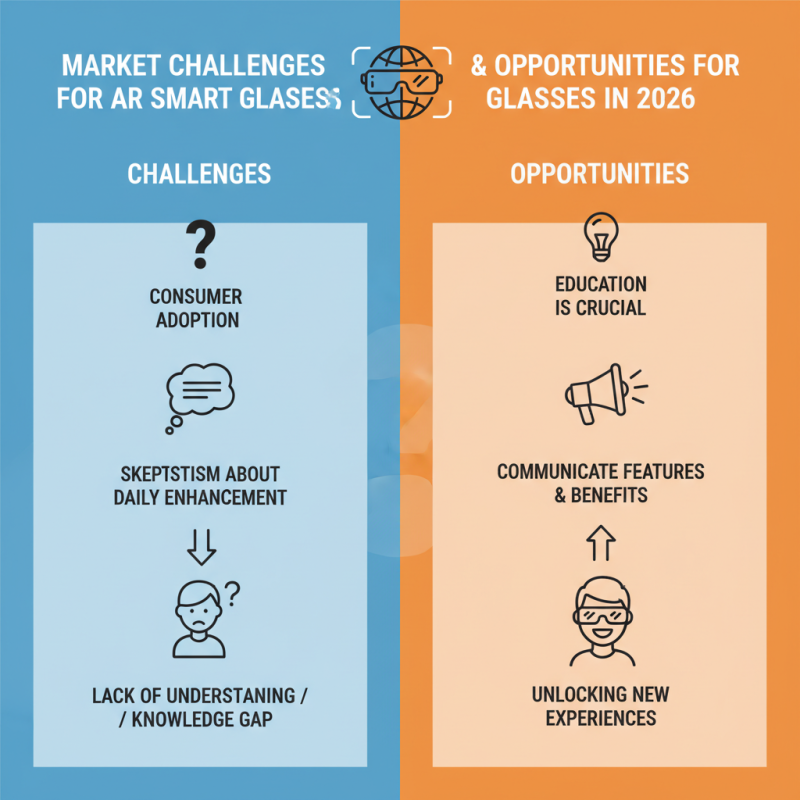
As we approach 2026, AR Smart Glasses are set to redefine user interaction across various sectors. Recent reports indicate that the AR smart glasses market is expected to reach $18.5 billion by 2026, showcasing a compound annual growth rate (CAGR) of 31.4%. This rapid growth highlights the technology's increasing integration in sectors like healthcare, manufacturing, and retail.
The rise of AR smart glasses brings exciting opportunities but also presents challenges. Concerns regarding privacy and data security remain vital. Industry leaders must navigate these issues while implementing innovative features. Smart glasses are not just a trend; they are becoming essential tools driving efficiency and engagement.
Despite the promise, there are limitations to the current technology. Battery life and user comfort need significant improvements. Users often find AR smart glasses bulky or heavy, affecting their daily wearability. Addressing these concerns will be crucial for widespread adoption. As we analyze the future of AR smart glasses, it is essential to weigh these factors carefully.
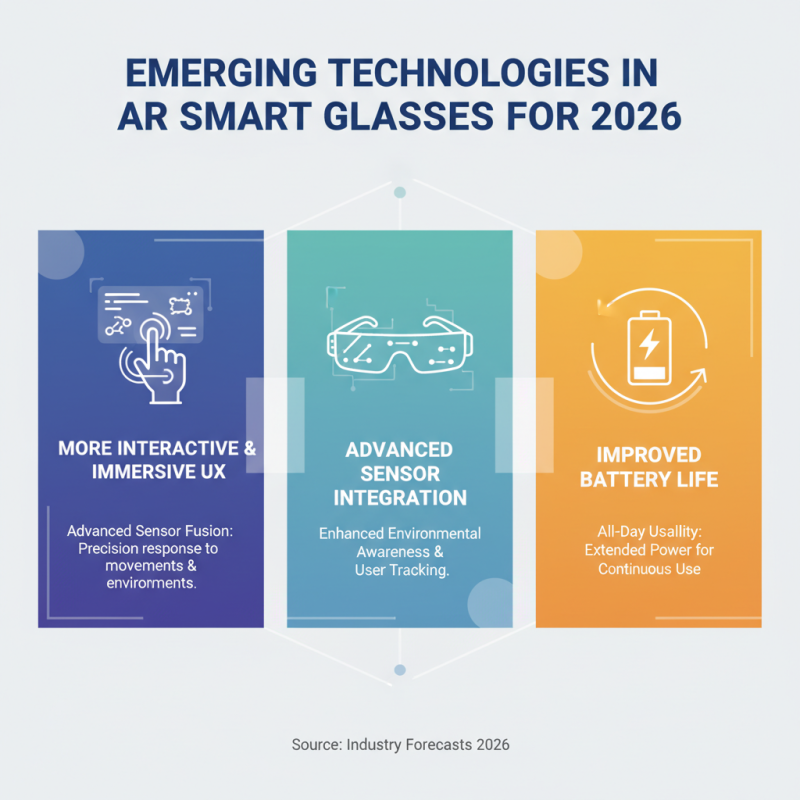
Emerging Technologies in AR Smart Glasses for 2026
Augmented Reality (AR) smart glasses are set to undergo significant transformation by 2026. Emerging technologies will pave the way for more interactive and immersive user experiences. Sensor integration is expected to become more advanced. This will allow glasses to respond to user movements and environments with greater precision. Additionally, improved battery life will enhance usability throughout the day. Users will likely appreciate longer-lasting power in their devices.
A shift towards lighter materials is also anticipated. This change can revolutionize comfort and style in AR eyewear. As designs become sleeker, more people may be inclined to adopt AR technology. However, design is not the only focus. Enhancements in visual quality, including resolutions and field of view, are crucial. Users crave clarity and detail in augmented layers. Meeting these expectations presents a challenge.
Wireless connectivity will help bridge the gap between AR devices and other smart technologies. Greater synchronization with smartphones and smart homes can enhance the experience. Nevertheless, security remains a concern. Protecting user data must be a priority for developers. Trust in technology is essential for widespread adoption. Balancing innovation with privacy and safety is vital.
Major Players in the AR Smart Glasses Market by 2026
The AR smart glasses market is experiencing rapid growth. Key players are focusing on innovation to enhance user experience. This evolution is driven by advancements in display technology and wearable sensors. Many companies are exploring partnerships to improve their product offerings. Developing ergonomic designs is crucial for extending usage in everyday scenarios.
Market leaders are investing in augmented reality capabilities. They are integrating AI to create more immersive experiences. However, some consumers express concerns about privacy and data security. These issues need addressing as technology evolves. Feedback from users can guide future designs and features. Manufacturers must remain adaptable and open to criticism.
Investors are keen to recognize trends in this sector. The demand for interactive and hands-free solutions is rising. Beneficial collaborations between tech firms may spark innovation. Still, defining clear standards for AR glasses remains a challenge. Continuous assessment of user needs will shape the future of this market.
2026 Top AR Smart Glasses Trends for Global Buyers
| Trend |
Market Share % (Projected) |
Key Features |
Target Industries |
| Enhanced Reality Integration |
35% |
Real-time data overlay, AI assistance |
Healthcare, Retail |
| Lightweight Designs |
25% |
Comfortable for long-term use |
Manufacturing, Gaming |
| 5G Connectivity |
20% |
Real-time streaming, cloud computing |
Telecom, Education |
| Advanced Safety Features |
15% |
Augmented alerts, navigation aids |
Automotive, Emergency Services |
| Integration with IoT |
5% |
Smart device control |
Smart Homes, Industry 4.0 |
Key Features and Innovations to Expect in AR Smart Glasses
Augmented Reality (AR) smart glasses are set for a breakthrough in 2026. Key features will focus on enhanced user interfaces and captivating visual displays. Expect improvements in resolution, allowing users to see clearer and more vibrant images. These advancements aim to make digital information more interactive and immersive.
Innovations will also likely include improved battery life. Users desire longer usage without constant recharging. Additionally, lightweight designs will become essential. Comfort during prolonged use is critical, especially for daily tasks. Voice commands and gesture controls may enhance usability, making it easier to interact seamlessly with the digital world.
However, challenges remain. The complexity of integrating advanced technology can lead to higher costs. Not every user might embrace the change, prompting a need for user-friendly instruction. Balancing functionality and affordability will be key for manufacturers. Feedback from early adopters will guide future developments.
Consumer Preferences and Buying Trends for AR Smart Glasses
As we look ahead to 2026, the demand for AR smart glasses continues to evolve. Consumers are increasingly drawn to functionalities that enhance their everyday experiences. Features such as navigation assistance and augmented reality filters are becoming essential. Buyers desire products that seamlessly integrate with their lifestyles.
In recent studies, users expressed a strong preference for lightweight designs. Comfort plays a crucial role in their purchasing decisions. Many potential buyers also indicated a desire for longer battery life and improved display quality. These aspects significantly impact user satisfaction and overall experience.
Price sensitivity remains a concern. While consumers are willing to invest in AR smart glasses, they expect value. They want reliable performance without breaking the bank. This highlights a gap in the market—a need for affordable yet innovative options. Balancing affordability and quality is challenging for manufacturers. As trends unfold, aligning these factors will be vital for success.
Market Challenges and Opportunities for AR Smart Glasses in 2026
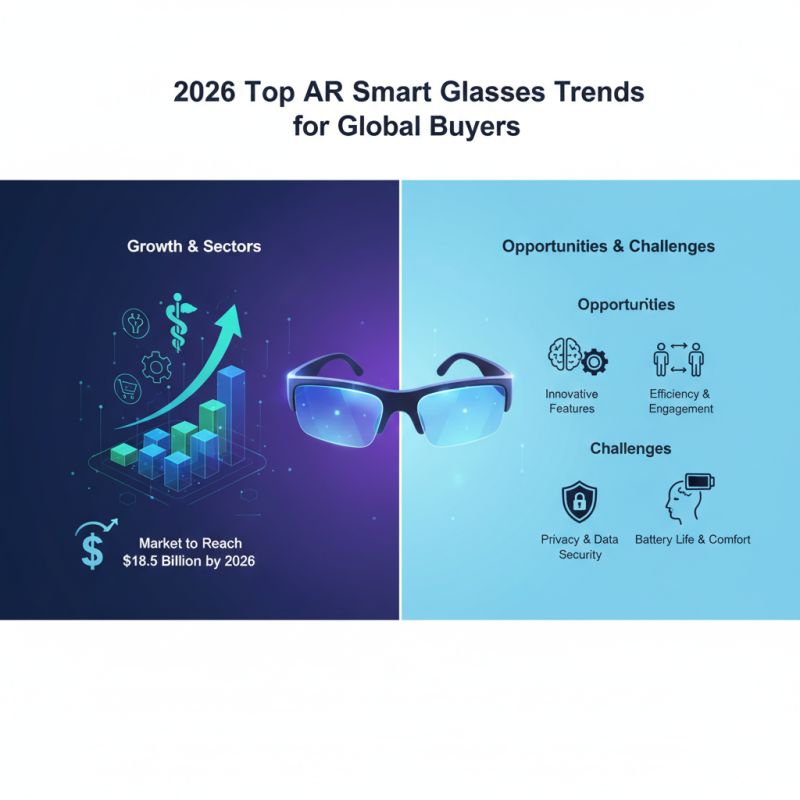
As we approach 2026, the augmented reality (AR) smart glasses market faces several challenges. One key issue is consumer adoption. Many potential users remain skeptical about how AR devices enhance daily life. Educating consumers will be crucial in overcoming this hurdle. Users may not fully understand the features and benefits of AR, creating a knowledge gap.
Despite these challenges, opportunities abound for innovation. The demand for hands-free technology is on the rise. Many industries can benefit from AR solutions, including healthcare and manufacturing. Training programs using AR can offer immersive experiences that improve skills and retention. However, creating meaningful content poses a challenge. Many developers struggle to produce engaging, relevant applications.
The competitive landscape will also redefine the AR market in 2026. As more players enter the sector, differentiation becomes essential. Companies must focus on user experience and seamless integration. Privacy concerns may hinder progress, leading to hesitance among users. Addressing these issues will demand transparency and robust security measures. Balancing innovation with ethical considerations will shape the future of AR smart glasses.
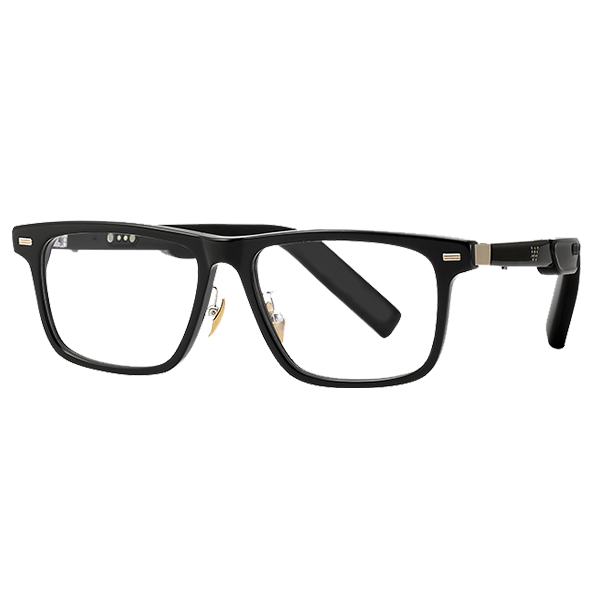 Smart Glasses
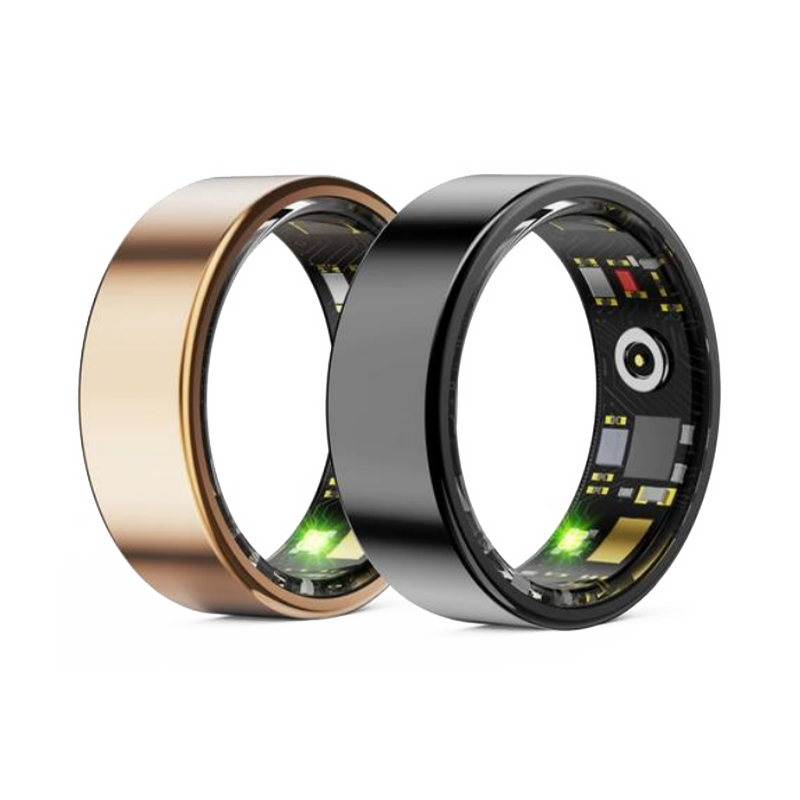 Smart Ring
 Smart Locator


 +86-13613020876

 CONTACT NUMBER
 CONTACT NUMBER