What is Wearable Display Glasses and How Do They Work?
Wearable Display Glasses are at the forefront of technology. They integrate innovative designs with advanced functionality. These devices allow users to access information hands-free, bridging the gap between the digital and physical worlds.
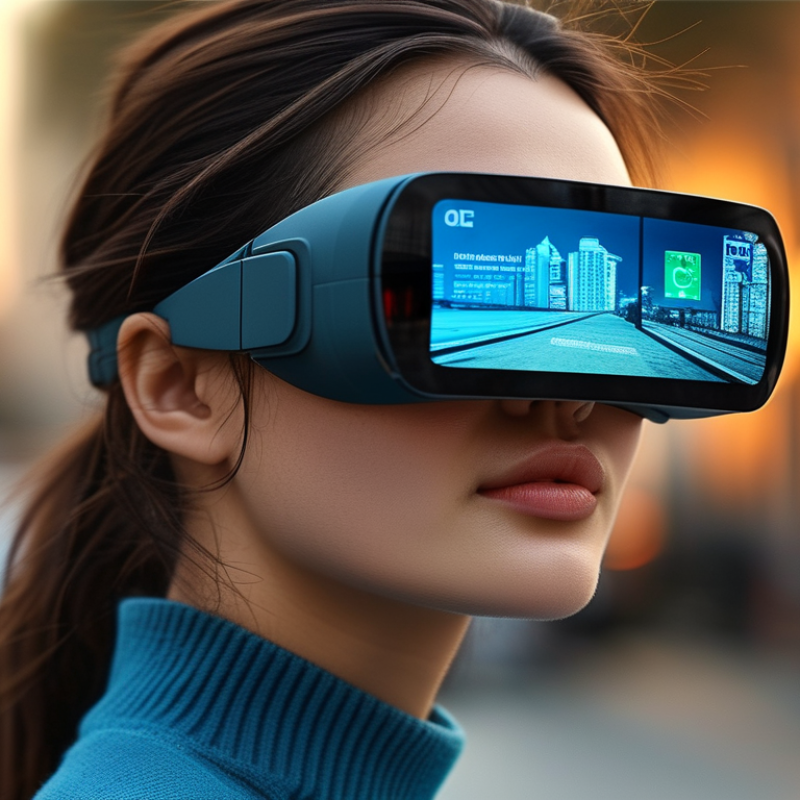
The working principle of Wearable Display Glasses involves augmented reality. They overlay digital content onto the real world, enhancing the user experience. Imagine walking down the street and seeing navigation arrows projected in your view. This technology holds promise for many sectors, from gaming to healthcare.
However, Wearable Display Glasses are not without challenges. User comfort and battery life remain critical issues. Additionally, social acceptance of such devices is still in development. As we explore this technology, it is essential to reflect on its implications, both positive and negative.
Overview of Wearable Display Glasses Technology
Wearable display glasses are an exciting innovation in technology. They provide users with an augmented reality experience. This technology overlays digital images onto the real world, opening new possibilities. Users can enjoy a hands-free experience, enhancing daily tasks and entertainment.
These glasses function using advanced optics and sensors. They usually incorporate tiny displays that project images directly into the user's field of view. The sensors track head movements and adjust the display accordingly. However, the small size of these components can sometimes compromise visual clarity. Users may find it a challenge to focus on details.
Integration with smartphones and other devices adds versatility. Wearers can receive notifications, navigate, or watch videos. Yet, battery life remains a concern with many models, limiting extended use. It's essential to weigh the pros and cons before investing in this technology. Wearable display glasses have potential, but they are still evolving.
Key Components and Functionality of Wearable Display Glasses
Wearable display glasses integrate advanced technology into everyday eyewear. These devices combine lightweight materials with high-resolution displays. Users can access information seamlessly while keeping their hands free. The key components include microdisplays, sensors, and processors. These elements work together to create a visual experience in real-time.
Sensors play a crucial role. They track movements, adjust displays, and enhance user interaction. Processing power is equally essential. It allows the glasses to run applications efficiently. The design should ensure comfort and usability, meeting the needs of various users.
Tip: When choosing wearable display glasses, consider battery life and compatibility with other devices. You want a model that fits your lifestyle. Continuous updates are also vital. They enhance performance and introduce new features.
While these glasses offer exciting possibilities, not all designs are perfect. Some may cause discomfort during extended wear. Users might find the learning curve steep. Engaging with these devices requires patience and practice. Balancing functionality with comfort remains a challenge in this evolving field.
Current Market Trends and Industry Data on Wearable Displays
Wearable display glasses are becoming increasingly popular in the tech market. These devices combine advanced technology with practical applications. They enable users to access information hands-free, enhancing various experiences from navigation to entertainment. Recent industry data suggests a significant growth trajectory for wearable displays, driven by increased consumer interest and technological advancements.
Current market trends indicate a strong demand for these devices in sectors like healthcare, education, and retail. For instance, educators are using these glasses to create immersive learning environments. In healthcare, professionals can display patient information without needing to look away. However, the adoption rates vary. Some consumers feel uncertain about privacy and usability, which poses challenges.
Despite growth, the market faces hurdles. Many users report issues with comfort and battery life. Data shows that potential buyers often seek reassurance regarding reliability and benefits. Addressing these concerns is imperative for manufacturers. They must focus on innovation while ensuring user satisfaction. Balancing technology with real-world applicability will remain crucial as wearable display glasses evolve.
Applications and Use Cases for Wearable Display Glasses in Various Sectors
Wearable display glasses are gaining traction across various sectors, including healthcare, manufacturing, and education. According to a recent report by Transparency Market Research, the global market for these devices is expected to reach $83.6 billion by 2025. In healthcare, surgeons use these glasses to access patient data in real-time, enhancing surgical precision and outcomes. In industrial settings, workers can receive hands-free instructions, improving safety and efficiency.
In education, wearable display glasses offer immersive learning experiences. Students can explore complex subjects through augmented reality. A study published in the Journal of Educational Technology found that such tools could improve retention rates by up to 30%. This technology enables personalized learning paths, allowing students to engage with content at their own pace.
Tips: Consider usability when integrating wearable glasses into your operations. Gather feedback from users to understand their concerns and preferences. A user-centered approach often leads to better adoption rates. Training sessions can significantly ease the transition for staff. Addressing potential challenges upfront is crucial to success.
What is Wearable Display Glasses and How Do They Work? - Applications and Use Cases for Wearable Display Glasses in Various Sectors
| Sector |
Application |
Use Case Description |
Benefits |
| Healthcare |
Telemedicine |
Remote consultations allowing doctors to see patients' environments. |
Increased access to care, better patient monitoring. |
| Education |
Augmented Reality Learning |
Interactive lessons enhancing student engagement. |
Improved retention and understanding of complex subjects. |
| Manufacturing |
Assembly Line Assistance |
Guiding workers through complex assembly processes. |
Increased efficiency, reduction in errors. |
| Retail |
Virtual Try-Ons |
Allowing customers to virtually try on products. |
Enhanced shopping experience, reduced return rates. |
| Entertainment |
Immersive Gaming |
Creating fully immersive gaming experiences. |
Increased engagement and player satisfaction. |
Future Developments and Potential Impacts of Wearable Display Technology
Wearable display technology is evolving rapidly, with significant potential for future developments. These glasses offer a blend of augmented reality and virtual reality, enabling users to experience digital content in real-world settings. Imagine walking through a museum with information displayed directly on artifacts. The integration of voice commands and gesture control enhances user interaction.
There are challenges to consider in this technology's advancement. Battery life remains a concern, as users seek longer periods of usage. Additionally, comfort and style are crucial for widespread adoption. Developers face hurdles in creating lightweight designs that fit diverse consumer preferences. It's essential to reflect on privacy implications as well. Users may worry about data security in public spaces.
Future impacts could reshape various fields, including education and healthcare. In classrooms, students might access interactive learning tools seamlessly. In medical settings, surgeons could receive real-time data during procedures. As wearable display technology continues to progress, it opens doors to innovation and necessitates thoughtful discussions on ethical practices and usability.
Growth of Wearable Display Glasses Market (2018-2023)
 Smart Glasses
 Smart Ring
 Smart Locator


 +86-13613020876

 CONTACT NUMBER
 CONTACT NUMBER