How to Choose the Best Smart Glasses Technology for Your Needs?
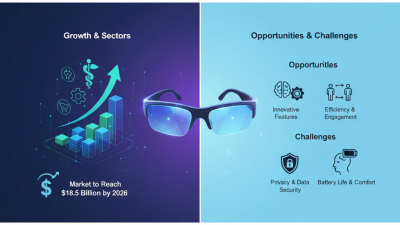
In recent years, Smart Glasses Technology has seen significant advancements, leading to increased consumer interest. According to a report by Statista, the global smart glasses market is expected to reach around $12 billion by 2024. This rapid growth highlights the need for consumers to understand their options thoroughly.
Choosing the right smart glasses can be challenging due to the variety of features available. Users often struggle to identify which specifications align with their daily activities. For example, some devices focus on augmented reality while others prioritize fitness tracking. Analysts suggest that having clear requirements can guide your decision-making process.
This tech landscape is evolving, yet not all products deliver on their promises. Experts recommend researching various brands and user reviews to identify reliability. Balancing innovation with practical functionality is essential. Smart glasses are powerful tools, yet they may not suit everyone's needs perfectly. Reflecting on personal usage scenarios will help potential buyers make informed decisions.
Understanding the Different Types of Smart Glasses Technology Available
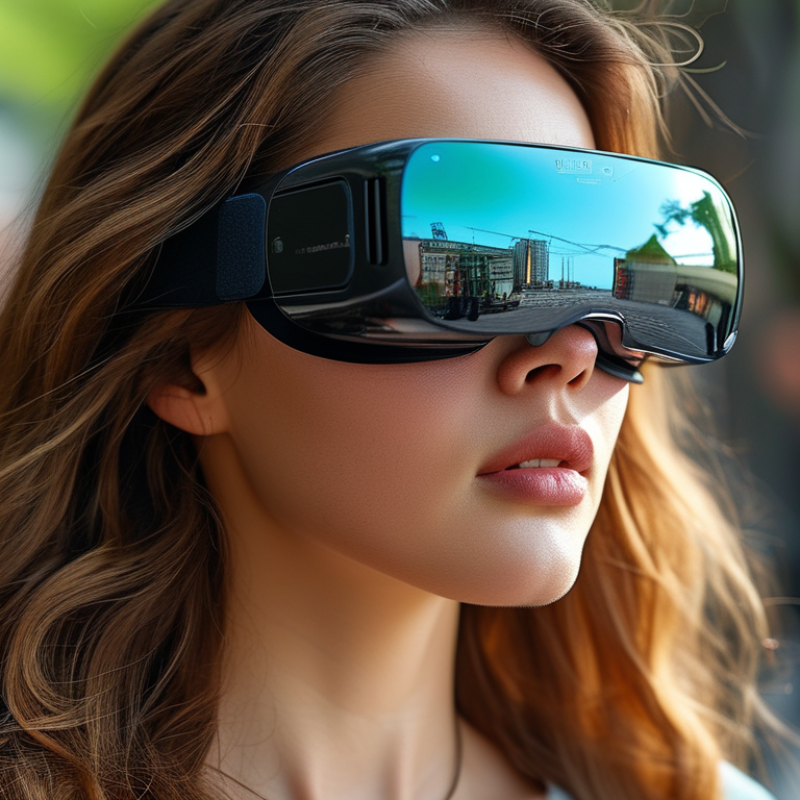
When exploring smart glasses technology, understanding the types available is crucial. There are primarily two categories: augmented reality (AR) glasses and virtual reality (VR) glasses. AR glasses overlay digital information onto the real world. They can improve tasks by providing real-time data without interrupting the user's focus. VR glasses, on the other hand, immerse you entirely in a virtual environment. This distinction affects how you might use them in daily life or professional settings.
AR glasses are often lighter and more user-friendly. They can offer navigation help, notifications, and even hands-free communications. Users aiming for practicality and multitasking might prefer AR. In contrast, VR glasses are designed for immersive experiences, ideal for gaming or simulations. Their heavier build and isolation from the surroundings may not be suitable for everyone. Choosing between them depends on your needs—do you want integration into your everyday life, or are you seeking escapism?
It's essential to reflect on your lifestyle when selecting smart glasses technology. Think about how you’ll use them. Evaluate yourself. Heavy users of AR may face challenges with battery life or software compatibility. VR enthusiasts might struggle with physical comfort during extended sessions. No technology is perfect. Each comes with its pros and cons, requiring careful consideration. Make sure to prioritize what aligns with your unique preferences and daily activities.
Assessing Your Personal Requirements and Use Cases for Smart Glasses
When choosing smart glasses, assess your specific needs and use cases. First, consider what you want them for. Are you looking for augmented reality features or basic notifications? Understanding your primary usage can guide you in making an informed decision.
It's vital to evaluate comfort and design. If you plan to wear smart glasses for long periods, ensure they fit well. They should feel lightweight and not impede your daily activities. Additionally, aesthetics matter. You want a style that complements your look and fits your lifestyle.
Experiment with different features. Do you need voice control or touch sensors? Some functionalities may seem appealing but might not be practical for your situation. Reflect on how often you would utilize these features. This self-assessment helps in narrowing down your options effectively.
Consider seeking user reviews before making a decision. Learning from others’ experiences can uncover strengths and weaknesses you haven't thought about. Trustworthy sources can provide insights that help you avoid common pitfalls.
Key Features to Consider When Evaluating Smart Glasses Options
When evaluating smart glasses options, several key features stand out. First, consider the display quality.
High resolution can enhance your visuals significantly. Look for options that offer clear and vibrant imagery.
Battery life is another critical aspect. Glasses that last longer will ultimately serve you better in daily use.
Ensure they can keep up with your routine.
The comfort of wearing smart glasses matters too. Lightweight designs help prevent fatigue during extended usage.
Adjustable fit can also enhance the experience. Make sure to try them on to judge the feel.
Voice and touch controls improve user interaction. These features offer more intuitive operations.
Consider connectivity options as well. A good pair should easily link to your devices.
Compatibility with various operating systems is vital. However, not every feature may be necessary for everyone.
Reflect on what matters most to you. This process can help narrow down your choices and lead to a more satisfying experience.
Comparing Major Brands and Models of Smart Glasses on the Market
When choosing smart glasses, it’s essential to compare features across major brands. Each model offers unique strengths and weaknesses. Some focus on augmented reality, while others prioritize fitness tracking. Users often find that they need to balance functionality with style.
Battery life is a crucial factor. A model might promise all-day use, but real-world performance can vary. Reviews often highlight scenarios where glasses die during essential tasks. Frame comfort also matters. A stylish pair may not fit comfortably for extended periods. Consider your lifestyle and what you'll use them for most.
Software integration is another point to evaluate. Different models may sync better with various devices. Some may support more apps than others. This can impact daily usage. Think about how you’ll interact with the glasses. Finally, the overall user experience often falls short of expectations. It's essential to test models in real-world situations to find the right fit for your needs.
How to Choose the Best Smart Glasses Technology for Your Needs? - Comparing Major Brands and Models of Smart Glasses on the Market
| Model |
Display Type |
Battery Life |
Camera Resolution |
Audio Quality |
Weight |
| Model A |
OLED |
5 hours |
12 MP |
Stereo |
40g |
| Model B |
LCD |
6 hours |
8 MP |
Mono |
50g |
| Model C |
MicroLED |
4 hours |
10 MP |
Surround |
45g |
| Model D |
LED |
8 hours |
16 MP |
Enhanced |
35g |
Budgeting for Smart Glasses: Costs and Long-Term Value Analysis
When budgeting for smart glasses, it’s essential to consider not only upfront costs but also long-term value. Many models on the market range from $200 to over $1,500. A recent report from the International Data Corporation indicates that the smart glasses market is expected to grow substantially, reaching $2.5 billion by 2024. Buyers need to look beyond immediate expenses. Features like battery life, display quality, and software compatibility significantly affect overall satisfaction.
Evaluating durability and warranty is crucial. If smart glasses failed after a year, the initial savings might not be worth it. Consider that a well-supported device can last for several years, providing ongoing benefits. Some industry experts recommend evaluating ownership costs over the lifecycle. For instance, the cost of replacement lenses or software updates can accumulate.
Furthermore, data from an Accenture study highlights that 65% of users prioritize usability in choosing technology. If a device costs less but becomes hard to use, it may undermine its value. Striking a balance between price and functionality is key. Reflect on how you’ll use smart glasses. Will they enhance daily tasks or offer entertainment? The right choice aligns with personal needs while maintaining budget efficacy.
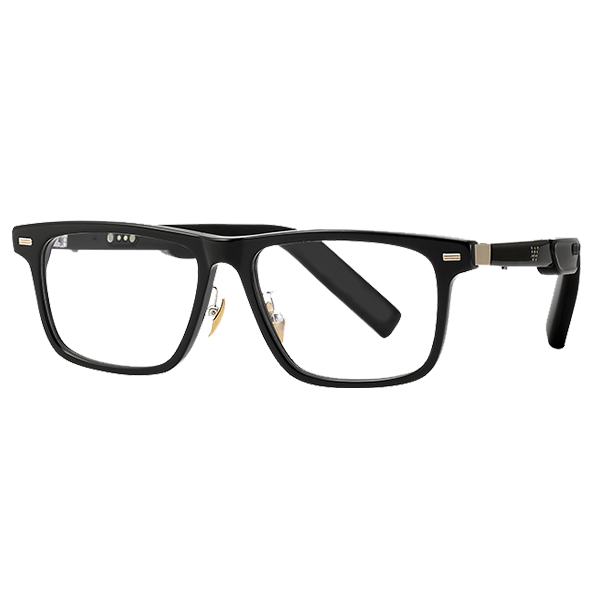 Smart Glasses
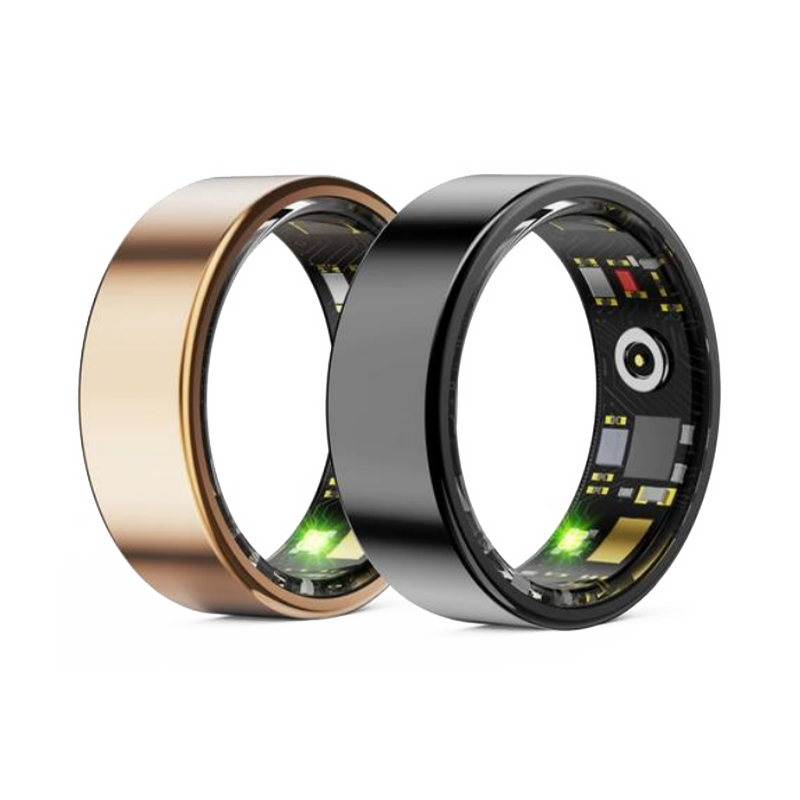 Smart Ring
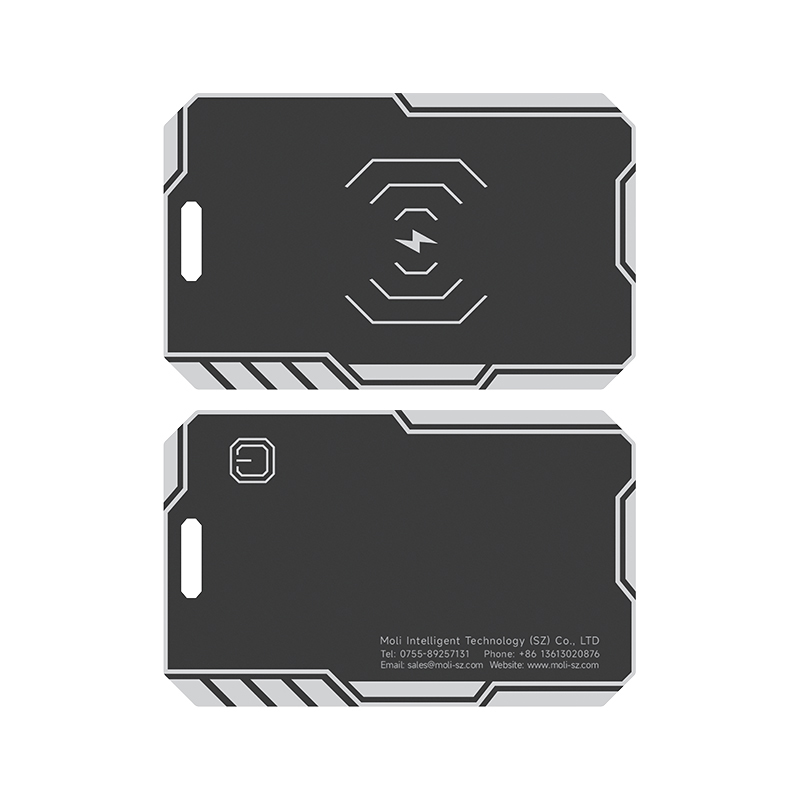 Smart Locator


 +86-13613020876

 CONTACT NUMBER
 CONTACT NUMBER