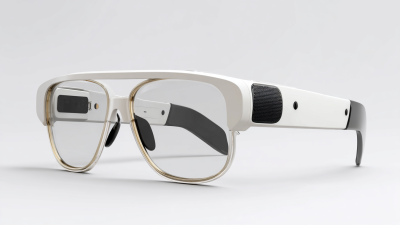
How to Choose High Tech Glasses for Global Buyers in 2026?

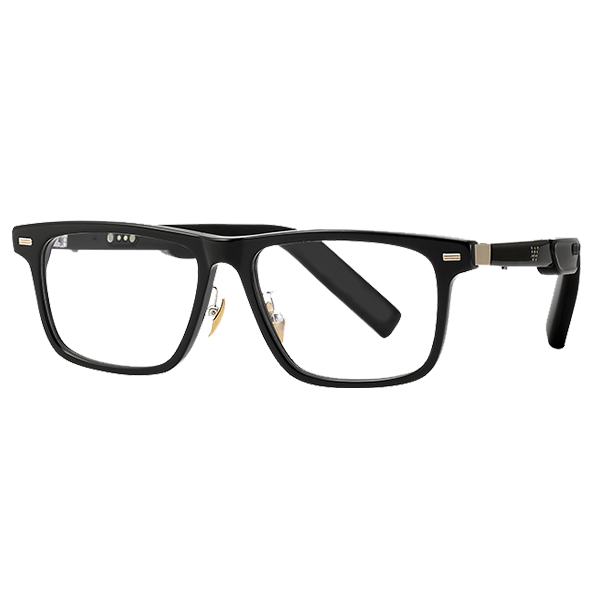
Choosing High Tech Glasses for global buyers in 2026 requires more than comparing displays, cameras, or battery capacity. Buyers must connect product features with real working conditions, regional requirements, and long-term user comfort. A warehouse supervisor may need clear voice controls, while a traveler may value translation, navigation, and discreet notifications. These needs should shape the purchasing decision.

Reliable evaluation begins with documented evidence. Review optical quality, prescription compatibility, battery performance, wireless standards, privacy controls, durability ratings, and software support. Ask suppliers for test reports, warranty terms, user manuals, and transparent information about data handling. Product claims should be checked against recognized certification systems and the rules of each destination market. A supplier’s factory experience, quality-control process, and after-sales response also matter greatly.

Small details often reveal larger risks. Test the glasses under bright sunlight, weak indoor lighting, and noisy streets. Check whether the frame remains comfortable after two hours. Inspect charging contacts, lens coatings, camera indicators, and package labeling. These practical checks can expose weaknesses that attractive specifications hide.

There is no perfect checklist.

Global buyers may still face uncertain software updates, changing import requirements, or uneven service quality. That uncertainty deserves honest attention, not polished promises. A careful buyer should compare independent reviews, pilot a small batch, and record failures before placing a larger order. With evidence-based research and realistic expectations, buyers can select High Tech Glasses that are useful, compliant, durable, and suitable for their intended users.

How to Choose High Tech Glasses for Global Buyers in 2026?

Market Overview of High-Tech Glasses for Global Buyers in 2026

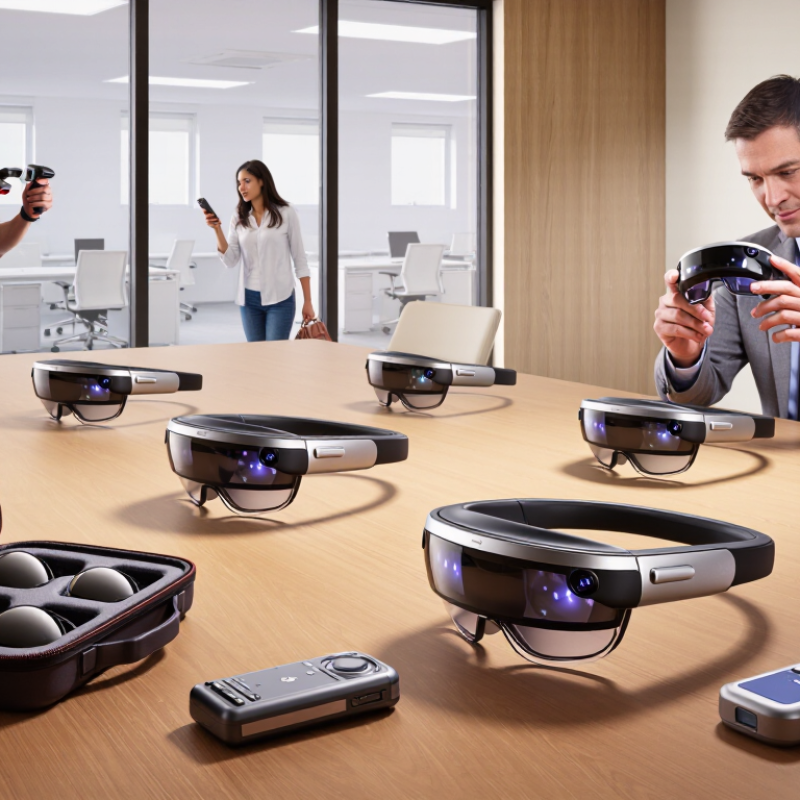
In 2026, the high-tech glasses market is moving from novelty products toward practical workplace and lifestyle tools. Buyers are comparing smart displays, cameras, voice controls, health sensors, and translation features. Demand is strongest in logistics, remote assistance, industrial training, tourism, and accessible computing. Regional preferences differ. European buyers often examine privacy and repairability, while Asian markets may prioritize battery life, compact design, and fast connectivity.

Selection should begin with the real working environment. A warehouse user needs clear text, stable wireless performance, and lenses that remain readable under harsh lighting. A field technician may value hands-free video, noise reduction, and simple remote guidance. Check weight, heat around the temples, charging time, and prescription-lens support. These details affect daily use more than impressive demonstrations. Ask suppliers for test units, measured battery results, software update policies, and service response times.

The market still has weak points. Some devices promise all-day comfort but become tiring after several hours. Others depend heavily on cloud services, which can create operational delays. My early assumption was that more sensors meant better value. Practical trials proved otherwise. A lighter frame with reliable controls often performs better than a feature-heavy model. Buyers should also test staff training time, data handling procedures, and compatibility with existing systems. The most reliable choice is rarely the newest one.

Key Features and Technologies to Compare Before Buying

How to Choose High Tech Glasses for Global Buyers in 2026?

Key Features and Technologies to Compare Before Buying

High tech glasses should solve a real problem, not simply look futuristic. I compare display brightness, field of view, and optical clarity in daylight and indoors. A sharp image can still feel distracting after thirty minutes. Test the glasses with your prescription, if needed. Check whether lenses support replacement, tint options, and comfortable nose pressure.

Battery performance deserves careful attention. Look for realistic usage hours, charging time, and standby drain. Manufacturers may report ideal laboratory results. Your experience could differ. Compare microphones, speakers, cameras, and voice controls in crowded streets. Good noise reduction helps, but it is rarely perfect. Wireless connections should remain stable across phones and operating systems. Offline functions are valuable during travel or weak network coverage.

Privacy and durability matter as much as technical features. Review camera indicators, recording controls, data storage, and account security settings. Choose products with clear software updates and accessible support. Check water resistance, hinge strength, heat tolerance, and replacement parts. Independent testing can reveal weaknesses hidden by polished specifications. I also examine warranty terms and regional charging compatibility before purchase. The lightest frame may sacrifice battery capacity or structural strength. That trade-off is easy to miss. Compare total comfort after several hours, not just the first fitting.

How to Choose High-Tech Glasses for Global Buyers in 2026?

Connectivity is an important comparison point for smart glasses. The chart shows the theoretical maximum data rate of common connection standards that may support streaming, synchronization, firmware updates, and accessory communication.

Values are theoretical maximum link rates defined by published standards: Bluetooth LE 2M PHY up to 2 Mbps, Wi-Fi 6 up to 9.6 Gbps, USB 2.0 up to 480 Mbps, and USB 3.2 Gen 2 up to 10 Gbps. Actual performance depends on hardware, distance, interference, power use, and software.

How to Evaluate Comfort, Safety, Compatibility, and Privacy

How to Choose High Tech Glasses for Global Buyers in 2026?

Comfort should be tested beyond a short showroom fitting. Wear the glasses for two hours while walking, reading, and checking a phone. Pressure behind the ears often appears later. Look for adjustable nose supports, balanced weight, and lenses that do not fog during movement. A 30-gram frame can still feel heavy if its battery sits near one temple. My first evaluation missed this detail. I focused on total weight, not weight distribution.

Safety needs practical inspection, not impressive specifications alone. Check whether the lenses reduce glare without weakening contrast indoors. Test voice controls in a quiet room and near ordinary street noise. The device should provide clear warnings when recording, overheating, or losing connection. Confirm charging temperature and battery protection through technical documents. Buyers should also review regional requirements for wireless devices and data handling. Rules differ across markets, and assumptions can create costly delays.

Compatibility affects daily reliability. Verify operating-system support, Bluetooth behavior, charging standards, language options, and replacement parts before ordering. Pair the glasses with several phones, if possible. Some features may work only through a specific application or account region. Privacy deserves equal attention. Examine where images, voice data, and location records are stored. Choose clear permission controls, visible recording indicators, and deletion options. Read the provider’s policy carefully, although policies can be difficult to interpret. Ask precise questions before purchase. Four hours of testing is better than four minutes of optimism.

How to Choose High Tech Glasses for Global Buyers in 2026? - How to Evaluate Comfort, Safety, Compatibility, and Privacy

Evaluation Dimension What to Check Practical Target or Reference Why It Matters Buyer Verification Method Recommended Questions for Suppliers
Overall Weight Total mass, weight distribution, and pressure on the nose and ears Prefer a balanced design; lighter is not always better if the battery or electronics create front-heavy pressure Uneven weight can cause discomfort, skin pressure, and fatigue during long wear Wear the glasses for at least 30–60 minutes while walking, reading, and using a phone What is the complete operating weight, including lenses, battery, and accessories?
Fit and Adjustability Nose-pad adjustment, temple flexibility, bridge width, lens width, and head-size range Adjustable contact points and multiple frame sizes are preferable for international users Face shapes and sizing preferences vary significantly between markets Compare the frame’s official measurements with the user’s existing well-fitting glasses Which dimensions are adjustable, and are replacement nose pads or temples available?
Lens and Prescription Support Prescription range, lens material, optical distortion, blue-light filtering, tint options, and replacement process Require documented prescription limits and an optical-quality lens option; avoid assuming blue-light filtering prevents eye disease Poor optical alignment may cause eyestrain, headaches, or blurred vision Request optical test results and have prescription lenses fitted by a qualified optical professional Can the electronics be transferred to replacement prescription lenses?
Battery Runtime Continuous runtime for display, audio, camera, calls, navigation, and standby modes Compare rated runtime by function; continuous camera, display, and wireless use normally consume more power than standby use A short runtime can make the product unsuitable for travel, work shifts, or outdoor activities Run a repeatable test with the intended functions enabled and record battery percentage hourly What is the runtime under continuous audio, display, camera, and mixed-use conditions?
Charging and Travel Charging connector, charging-case capacity, input voltage, cable requirements, and airline portability USB charging should use clearly stated electrical specifications and appropriate protection against overcharging Travelers need predictable charging and a safe way to carry lithium-ion batteries Check the manual, charger markings, battery capacity, and applicable airline requirements Is the battery removable, and what protections are built into the charging system?
Impact and Mechanical Safety Lens impact resistance, frame durability, hinge strength, and protection from fragments For protective use, request certification to the relevant market standard, such as ANSI/ISEA Z87.1 or EN 166; ordinary lifestyle glasses are not automatically safety eyewear Consumer electronics in a frame do not guarantee occupational eye protection Verify markings, certificates, scope of testing, and whether the complete assembled product was tested Which impact standard applies, and does certification cover the electronic frame and installed lenses together?
UV and Light Protection UVA/UVB transmission, lens category, polarization, photochromic response, and visible-light transmission For outdoor use, look for verified UV protection covering UVA and UVB; “UV400” should be supported by test documentation UV exposure can damage the eyes and surrounding skin over time Request spectrophotometer results or an accredited laboratory report What wavelength range is tested, and how does the lens perform after scratching or prolonged use?
Water and Dust Resistance Protection of microphones, speakers, cameras, charging contacts, and controls An IP rating should specify the exact protection level; water resistance does not automatically mean waterproof or suitable for swimming Sweat, rain, and dust are common causes of electronic failure Confirm the IP test report and inspect whether ports are sealed during normal operation Is the rating valid for the complete product, and does it remain valid after lens replacement or repair?
Wireless Compatibility Bluetooth version and profiles, Wi-Fi requirements, operating-system support, and regional frequency restrictions Confirm support for the required Bluetooth audio and control profiles; compatibility depends on both the glasses and the paired device A technically supported phone may still have limitations by operating system or region Test pairing, calls, media control, notifications, and reconnection with local devices Which operating-system versions and phone functions are fully supported in each target market?
Display and Visibility Brightness, contrast, field of view, refresh behavior, outdoor readability, and prescription-lens interaction Request measurements taken under both indoor and bright outdoor conditions; a wider field of view may increase power consumption Unreadable overlays can create distraction and reduce the safety benefit of hands-free information Test in sunlight, shade, low light, and with the intended prescription Can brightness be controlled manually, and is there a distraction-free or privacy display mode?
Audio and Hearing Safety Speaker leakage, maximum volume, microphone clarity, wind-noise reduction, and environmental awareness The device should allow the user to hear surrounding traffic and warnings; safe listening depends on volume, duration, and environment Excessive sound exposure may contribute to hearing damage, while blocked environmental sound can increase risk Test calls and navigation in quiet, windy, and moderately noisy environments Is there a volume limiter, and can audio be automatically reduced in high-risk situations?
Camera and Recording Indicators Visible recording light, shutter or hardware disable option, recording controls, and storage behavior A clear, externally visible recording indicator and an easy physical disable method are preferable People nearby should be able to recognize when image or video capture is active Attempt recording while observing the indicator from several angles and distances Can the camera be disabled without software, and can the indicator be turned off by any setting?
Privacy and Data Control Data collection, cloud processing, voice activation, location access, retention periods, deletion controls, and third-party sharing Prefer data minimization, encryption in transit and at rest, granular permissions, and documented deletion procedures Wearable devices may collect biometric, voice, image, location, and behavioral data Review the privacy policy, app permissions, data-processing agreement, and account-deletion workflow Which functions work locally, what data leaves the device, and how can users request permanent deletion?
Security Updates Firmware support period, secure boot, signed updates, vulnerability reporting, and account security Require a written update policy and a documented process for reporting and fixing security vulnerabilities Unsupported connected devices may expose personal data or become incompatible with newer phones Check update history, release notes, authentication options, and support commitments How long are security updates provided after purchase, and what happens when support ends?
Regulatory Readiness Electrical safety, electromagnetic compatibility, radio approval, privacy obligations, labeling, and user documentation Certification must match the destination market and the exact product configuration being sold A certificate for one region or model may not authorize sales in another region or configuration Request declarations of conformity, test reports, manuals, labels, and importer documentation Which approvals cover the target countries, wireless functions, battery, charger, and complete assembled product?
Repairability and Parts Replaceable lenses, battery service, charging-case availability, spare parts, and repair instructions Prefer replaceable wear parts and a defined service route in the destination market Repair access affects total ownership cost and reduces avoidable electronic waste Obtain a parts list, service pricing, warranty terms, and expected repair turnaround time Which components are user-replaceable, and are repairs available internationally?
Total Cost of Ownership Purchase price, prescription lenses, subscription fees, accessories, shipping, taxes, repairs, and replacement cycles Compare the estimated two- to three-year cost rather than the initial product price alone Cloud services, proprietary accessories, and battery replacement can materially change the final cost Build a destination-specific cost sheet using local taxes, logistics, and service prices Are essential functions subscription-based, and what features remain available if the service is discontinued?
Buyer Decision Rule: Select a model only after it passes four checks: comfortable long-duration wear, verified safety for the intended activity, reliable compatibility with local devices and regulations, and transparent control over personal data.

Regional Regulations, Certification, and International Support

Choosing high-tech glasses in 2026 requires more than comparing displays and battery life. Regional rules can affect radio frequencies, wireless functions, privacy notices, and health claims. A product approved in one market may need fresh testing elsewhere. Check the destination country’s requirements before placing a bulk order. Ask for test reports, declarations of conformity, user manuals, and traceable serial records. Small details matter. Packaging should include required warnings, importer information, charging instructions, and local language versions.

Certification must match the actual device, not an earlier prototype. Confirm whether the glasses include cameras, microphones, cellular modules, Wi-Fi, Bluetooth, or prescription lenses. Each feature can change the compliance path. Request evidence for electrical safety, battery transport, electromagnetic compatibility, radio approval, and optical safety where applicable. Do not accept a single “global certificate” without scope details. That shortcut can create customs delays. It can also weaken customer trust.

International support is equally practical. A reliable supplier should provide regional firmware guidance, replacement parts, remote diagnostics, and trained service contacts. Ask how quickly support responds across time zones. Test the process with a real question before signing. I once underestimated translation quality in a technical manual; users misunderstood a charging warning. That mistake was avoidable. Support plans also need clear warranty limits, update schedules, data-handling explanations, and escalation contacts. Local compliance advisers can verify uncertain points, because regulations change faster than product pages. Some requirements remain unclear. Build review time into your buying plan.

Pricing, Suppliers, Testing, and Final Purchasing Decisions

Choosing high-tech glasses in 2026 requires more than comparing screen resolution. Grand View Research estimates the smart glasses market could grow at about 27% annually through 2030. Definitions vary, though. Some reports include audio glasses, while others count only display-based devices.

Pricing should include lenses, sensors, software access, spare parts, shipping, and warranty returns. A low factory quote may hide costly minimum order quantities. Request a complete landed-cost sheet. Suppliers should provide production photos, traceability records, sample lead times, and recent quality data. I prefer a paid pilot order before signing a large contract. It exposes packaging damage and firmware weaknesses early.

Testing needs measurable evidence. Check optical clarity, brightness, battery endurance, charging safety, Bluetooth performance, heat, drop resistance, and water protection. IEC 62368-1 is widely used for audio-video and information-technology equipment safety. For wireless products, ask for applicable EMC and radio test reports from an accredited laboratory. Counterpoint Research has reported strong year-on-year growth in smart-glasses shipments, but its category definitions deserve careful review. Market momentum does not prove supplier reliability. I have seen attractive prototypes fail after repeated hinge movement. That detail matters. Keep acceptance limits written, including dead-pixel tolerance, return rates, and software-update responsibility. Supplier audits remain imperfect, yet they are safer than trusting polished sample photos.