How to Choose the Right Wearable Display Glasses for You?
Choosing the right wearable display glasses can be a daunting task. These devices blend technology with everyday life, offering enhanced experiences. According to Dr. Emily Zhao, a leading expert in augmented reality, “The right wearable display can transform how we interact with our environment.” Her insights highlight the importance of selecting the ideal features that suit individual needs.
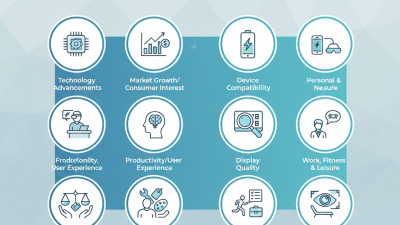
Wearable display glasses come in various styles and functionalities. Some are designed for entertainment, while others focus on productivity or fitness tracking. It’s essential to consider what you intend to use them for. Think about comfort, battery life, and compatibility with other devices. Many users find themselves overwhelmed by choices.
It is also important to reflect on the limitations of these glasses. Not every product suits every user. Some may struggle with functionality or display quality. By understanding your own preferences and requirements, you can make a more informed decision. Remember, finding the perfect wearable display glasses is a personal journey that requires careful consideration of your lifestyle and tech comfort level.

Factors to Consider When Selecting Wearable Display Glasses
When selecting wearable display glasses, comfort is essential. The fit should be snug yet comfortable. Consider the weight of the glasses. Heavier models may cause fatigue over time. Look for adjustable features that can enhance the fit to your face shape. If the glasses pinch or slide, you'll likely avoid using them.
Another important factor is display quality. A clear, bright display ensures a better user experience. Pay attention to the resolution and brightness levels. Low-quality displays can cause strain. Some models may even have difficulties under direct sunlight. Explore options with anti-glare properties if you are often outdoors.
Battery life is crucial, especially for frequent users. Look for glasses that offer long-lasting performance. A poorly performing battery can lead you to charging inconveniences. Testing out the glasses beforehand could highlight these issues. Don't ignore user feedback regarding battery efficiency. It provides real-world insights that can guide your decision.
Different Types of Wearable Display Glasses and Their Features
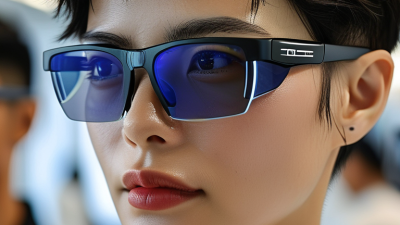
Wearable display glasses have gained popularity for their unique features and varying designs. There are several types to consider. Smart glasses typically integrate augmented reality, unveiling digital information in your field of vision. They can be useful for navigation and real-time notifications. On the other hand, heads-up display (HUD) glasses show key data, enhancing your experience during activities like driving or running.
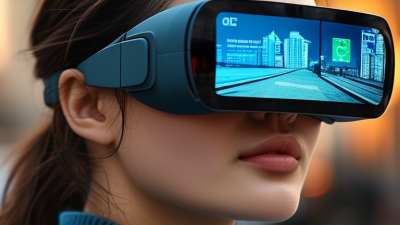
Another category includes immersive VR glasses. These fully engage your senses. You can enter a virtual world, making them ideal for gaming and training simulations. However, they can be heavy and uncomfortable for extended use. Consider the weight and fit of these devices.
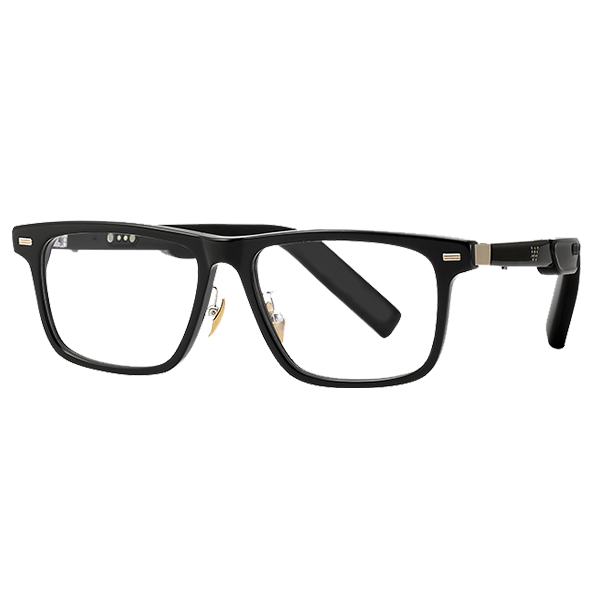
Finally, there are fashion-oriented smart glasses. They blend functionality with style. Still, they may lack robust features compared to their more performance-focused counterparts. It's essential to assess what you truly need and want. Reflect on your lifestyle. Will you use them for leisure, work, or fitness? Each type has its trade-offs. Finding the right pair requires careful thought.
Assessment of Comfort and Fit: Essential for Daily Use
When choosing wearable display glasses, comfort and fit are critical factors. An uncomfortable pair can lead to headaches and fatigue. Look for adjustable features that cater to different head sizes. The weight of the glasses also matters. Lightweight materials can enhance comfort for extended wear.
Testing is essential. Wear them for short periods first. Pay attention to how they sit on your nose and ears. Too tight can cause pain, while too loose may slip off easily. Evaluating the nose pads is also important. This small detail can significantly impact your overall experience.
User reviews can offer insights into comfort levels. They can highlight issues you may not consider. Remember that everyone’s face shape is unique. What works for one person may not work for another. Your final choice should prioritize your comfort and usability. Consider these factors carefully to ensure your wearable display glasses become a seamless part of your daily routine.
How to Choose the Right Wearable Display Glasses for You?
This chart illustrates the key factors influencing the comfort and fit of wearable display glasses, based on user assessments.
Evaluating Battery Life and Performance Metrics in Wearable Glasses
Battery life is a crucial factor when selecting wearable display glasses. Users need devices that can last through daily activities without frequent recharges. Many models offer varying battery capacities, which can significantly impact performance. A device with a battery life of over four hours is generally preferred for extended use, especially for work or leisure.
Consider how the battery life translates to your specific needs. If you plan on using the glasses for outdoor activities, a model with robust battery performance is necessary. On the other hand, if usage is sporadic and for short sessions, battery life may be less critical. Each person’s usage patterns create unique demands, making it essential to reflect on what works best for you.
Performance metrics also play a significant role in your decision. Look for details such as display resolution and refresh rates. Higher resolution can enhance your experience but may consume more battery. Evaluating how these metrics align with your intended use will help in making an informed choice. Yet, not all manufacturers provide comprehensive data, which could lead to uncertainty. Reliable user reviews can also be beneficial in this evaluation process.
Compatibility with Other Devices: Ensuring Seamless Connectivity
Choosing the right wearable display glasses involves more than just style and features. Compatibility with other devices is crucial for a seamless experience. Whether you intend to connect with smartphones, tablets, or computers, ensure the glasses support various platforms. Look for devices that offer Bluetooth or Wi-Fi connectivity for optimal function.
When checking compatibility, consider potential limitations. Some glasses may not work with older operating systems. It’s important to verify that your smartphone or tablet can pair with the glasses effectively. Also, think about app compatibility. Ensure the applications you use are accessible via the wearable display.
Tips:
- Always read the product specifications thoroughly.
- Test the connection with your devices.
- Ask others about their experiences.
Compatibility is not just a feature. It can greatly enhance or hinder your overall experience. Consider how often you'll use different devices with the glasses. This reflection will guide your decision. A mismatched pair can lead to frustration. Select wisely to fit your lifestyle.
 Smart Glasses
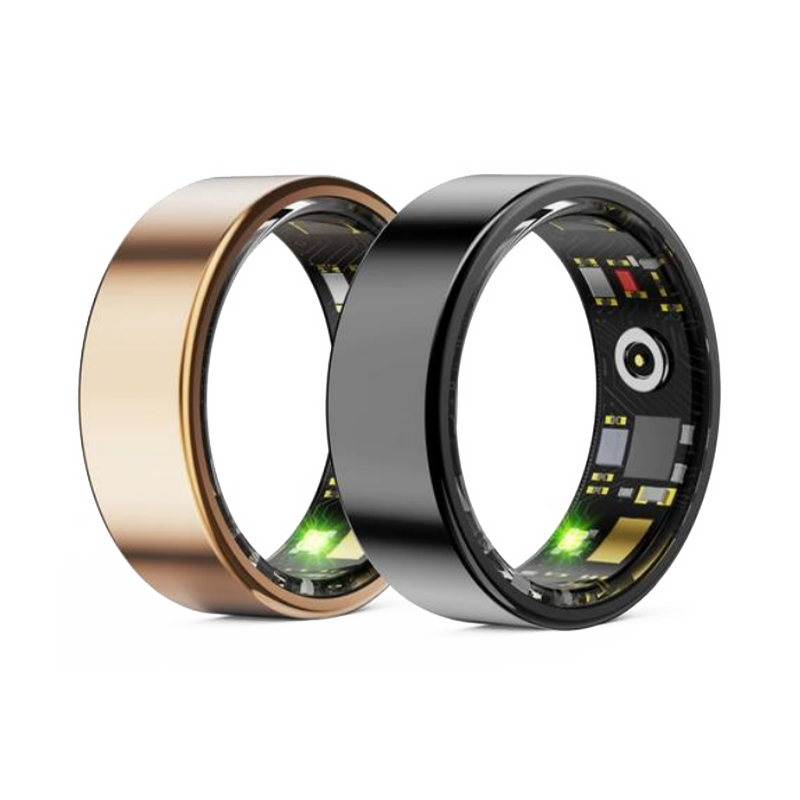 Smart Ring
 Smart Locator


 +86-13613020876

 CONTACT NUMBER
 CONTACT NUMBER