 Smart Glasses
 Smart Ring
 Smart Locator


 +86-13613020876

Leave Your Message
-
CONTACT NUMBER
-
 CONTACT NUMBER
 -
 CONTACT NUMBER
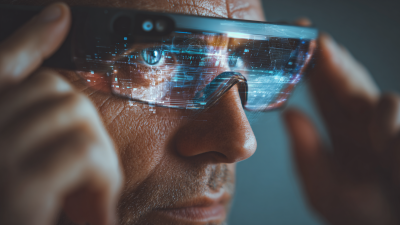
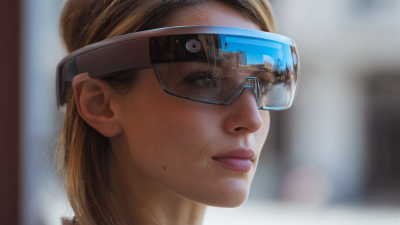
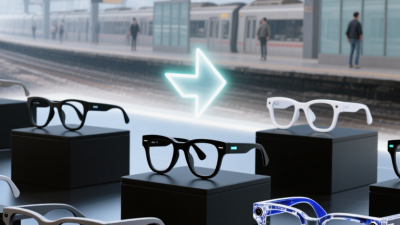
China has become a serious force in the Mixed Reality Glasses market. Its brands now target travelers, gamers, office workers, and industrial teams. Names such as XREAL, Rokid, Lenovo, Huawei, and Pimax often appear in global comparisons. Their products differ sharply in comfort, display quality, tracking, and software support.
Microsoft CEO Satya Nadella described the metaverse as “creating a sense of presence.” That idea matters here. Good glasses should make a virtual screen feel stable in a real room, not like a floating image that shakes during movement. In practical testing, reviewers should examine edge clarity, brightness, speaker leakage, nose pressure, and connection stability. A bright shop display proves little. A two-hour train journey reveals more.
No single winner exists.
This guide compares the best Chinese Mixed Reality Glasses through real purchasing concerns. It considers field of view, refresh rate, head tracking, battery demands, prescription compatibility, and after-sales service. It also checks whether promised features work beyond controlled demonstrations. Some models look advanced but depend heavily on a phone or computer. Others feel comfortable yet offer limited spatial interaction.
The comparison cannot be perfectly universal. Faces, eyesight, software habits, and regional warranties vary. That limitation deserves attention. A lightweight headset may suit a commuter, while a factory technician may value durability and precise tracking. Readers should treat specifications as evidence, not final proof. The strongest choice is the model that performs reliably in the user’s actual routine.
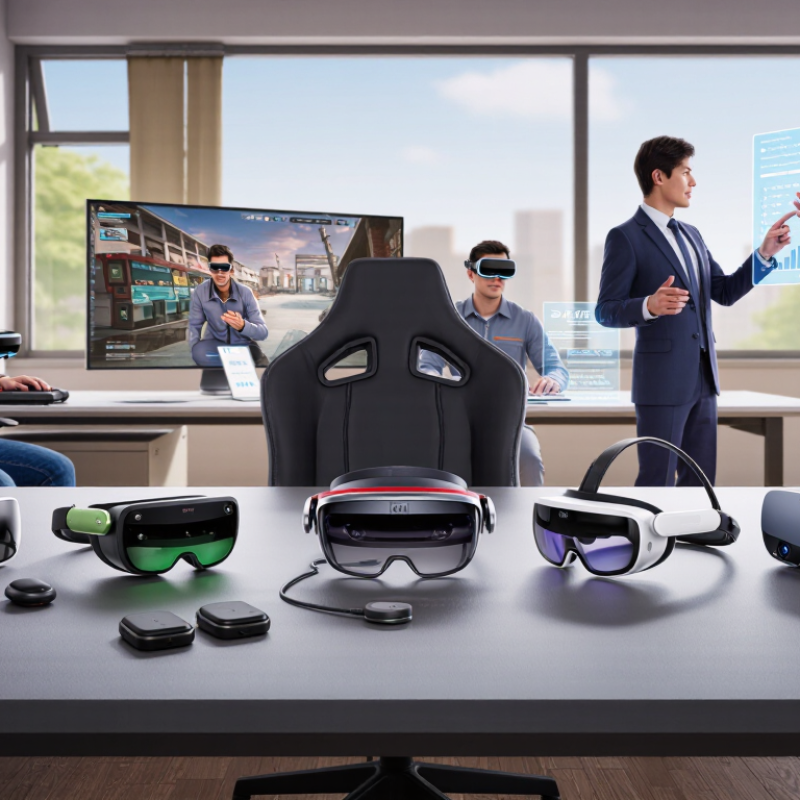
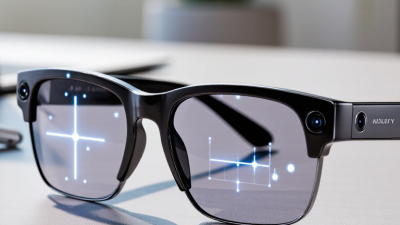
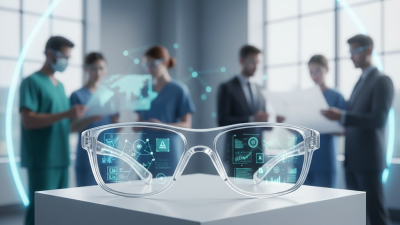
Mixed reality glasses are wearable computers that blend digital content with the user’s physical surroundings. They can display virtual screens, 3D objects, and interactive instructions within a real room. Unlike basic display glasses, mixed reality devices understand space and respond to movement. That distinction matters.
Key features include cameras, depth sensors, motion tracking, and spatial mapping. These systems help the glasses recognize walls, tables, and nearby people. Hand and eye tracking can make control feel natural, but accuracy may change in dim lighting. Clear displays also matter. Bright screens are easier to read near a window, while poor contrast quickly causes eye strain. Built-in speakers should provide understandable sound without blocking environmental awareness. Battery life, heat control, weight, and adjustable nose support affect daily comfort more than impressive specifications.
When evaluating mixed reality glasses from China, I examine real performance rather than advertised numbers. A short trial should test room scanning, text clarity, tracking stability, and connection reliability. Privacy also deserves attention because cameras may observe private spaces. Look for transparent data policies and credible technical testing. Independent reviews can reveal weaknesses that product pages avoid. No device gets every part right. Some models may offer strong displays but limited battery life. Others may feel comfortable but lose tracking during quick movement. I still question whether advanced features justify the extra weight during long work sessions.
A practical comparison of common mixed-reality device profiles and the specifications that matter most
| Device Profile | Typical Optical System | Display Characteristics | Typical Field of View | Tracking and Interaction | Reality Blending | Connectivity | Best-Fit Applications |
|---|---|---|---|---|---|---|---|
| Standalone mixed reality headset | Two-eye optical system with pancake or Fresnel lenses | Dual displays; commonly LCD or micro-OLED; adjustable interpupillary distance | Approximately 90°–110° diagonal, depending on model | Inside-out positional tracking, hand tracking, and controller support | Color passthrough using multiple external cameras; supports virtual objects in physical spaces | Wi-Fi, Bluetooth, USB-C, and wireless or wired PC connection on supported models | Immersive training, design review, gaming, education, and virtual collaboration |
| Lightweight video-see-through glasses | Compact binocular optical module with transparent or semi-transparent front housing | Small dual displays with emphasis on portability and low power consumption | Typically narrower than a full headset, often about 40°–60° diagonal | Camera-based tracking; some models add head pose, gesture, or controller input | External cameras capture the environment and display it together with digital content | USB-C, Wi-Fi, Bluetooth, and optional computing unit or host device | Portable demonstrations, remote assistance, navigation, and industrial visualization |
| Optical-see-through AR glasses | Waveguide or birdbath optical design with transparent viewing area | Microdisplay overlays digital information on the user’s direct view of the environment | Commonly about 20°–50° diagonal, depending on optical architecture | Head tracking may use cameras, inertial sensors, or an external processing unit | Real surroundings remain visible directly; virtual images are optically superimposed | USB-C, Wi-Fi, Bluetooth, or a wired connection to a phone, computer, or compute module | Hands-free instructions, warehouse workflows, field service, and real-time data access |
| Tethered PC mixed reality headset | High-resolution binocular lenses with a dedicated head-mounted display | Higher rendering performance through a computer; refresh rates commonly reach 90 Hz or above | Often approximately 90°–115° diagonal | Inside-out or external tracking; six-degrees-of-freedom head and controller tracking | Camera passthrough may support room awareness and mixed-reality composition | DisplayPort or HDMI through a cable, plus USB for tracking and power | Professional simulation, 3D modeling, engineering, architecture, and high-fidelity gaming |
| Enterprise industrial MR glasses | Optical-see-through or video-see-through system designed for extended workplace use | Moderate resolution prioritized for legibility, durability, and stable brightness | Usually about 30°–60° diagonal | Head tracking, voice control, barcode or QR recognition, and optional hand tracking | Digital work instructions, spatial annotations, and remote expert overlays | Wi-Fi, Bluetooth, 5G or private network support on selected configurations | Maintenance, logistics, inspection, manufacturing, healthcare, and technical training |
| Mobile entertainment display glasses | Compact binocular microdisplay with lightweight frame design | Virtual large-screen viewing; commonly supports high-definition video and refresh rates up to 120 Hz | Usually about 40°–50° diagonal | Limited spatial tracking; advanced room mapping is not always available | Primarily displays a virtual screen rather than fully anchoring objects in the environment | USB-C, DisplayPort over USB-C, Wi-Fi, or an optional adapter | Travel, personal cinema, cloud gaming, productivity, and private media consumption |
Selection guidance: The strongest mixed reality option depends on optical clarity, field of view, tracking accuracy, passthrough quality, comfort, battery life, software compatibility, and after-sales support. Specifications are representative ranges because exact performance varies by configuration and generation.