Top AR Glasses Manufacturers for Global Buyers
AR glasses are moving from polished demonstrations toward practical tools for work, navigation, and hands-free communication. For global buyers, choosing a manufacturer means looking beyond a bright display or a lightweight frame. Battery life, field of view, device compatibility, prescription options, and after-sales support can shape daily use. Small details matter: a frame that pinches after an hour may stay in its case.
Grand View Research valued the global augmented reality market at $62.75 billion in 2023 and forecast a 40.3% compound annual growth rate from 2024 to 2030. That figure covers the wider AR market, not glasses alone. The distinction matters. It signals momentum, but does not guarantee demand for every eyewear product. Apple CEO Tim Cook, a prominent technology executive and AR advocate, called the technology “a big idea like the smartphone” in a 2016 interview with The Washington Post. The comparison is ambitious; the buying decision is more ordinary. Buyers still need clear specifications, dependable support, and evidence from real-world trials. Some published claims are difficult to compare across brands. That remains a problem. This guide examines leading AR glasses manufacturers through practical criteria, including product readiness, customization, production capacity, and international service. A careful shortlist may be less exciting than a launch video, but it is usually more useful.
Understanding AR Glasses and Their Global Market
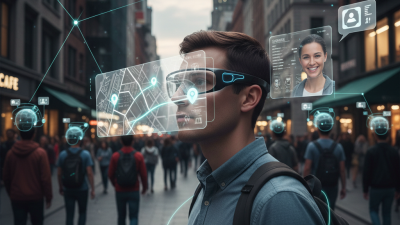
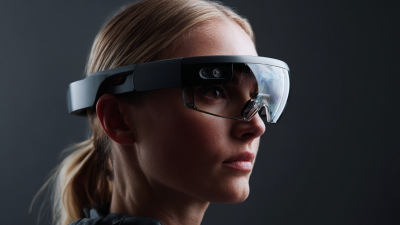
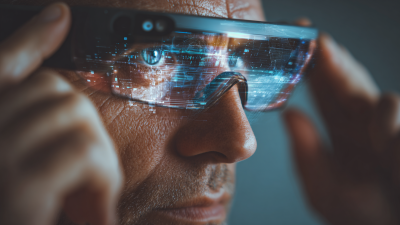
AR glasses place digital text, graphics, or navigation cues within a user’s view of the physical world. Most models combine a display, sensors, processing hardware, and a battery. These choices affect brightness, field of view, comfort, and operating time. A showroom demo may look impressive. Outdoor light and hours of wear can reveal trade-offs quickly.
Tips: Ask suppliers for measured battery life, device weight, and display performance in realistic conditions. Check whether the glasses support prescription lenses and fit different face shapes. For global purchasing, confirm language options, warranty coverage, replacement-part access, and technical support in your target markets. Request hands-on samples when possible.
The global market serves varied needs, from hands-free work instructions to navigation and training. Buyers should assess the intended task before comparing specifications. A wide field of view may matter less than clear text and stable connectivity for a warehouse workflow. Regional demand also differs, and product availability can change. It is easy to focus on sleek hardware; that can be a mistake. Software, comfort, and dependable service often matter just as much, though they are harder to judge from a product sheet.
Key Criteria for Evaluating AR Glasses Manufacturers
Choosing an AR glasses manufacturer starts with the intended use. A warehouse worker needs clear overlays and secure fit during long shifts. A field technician may need readable text outdoors and reliable connectivity. Ask manufacturers to explain how their optical design performs in those conditions, not only under studio lighting. Small details matter. Check eye-box comfort, lens clarity, frame weight, and whether controls work with gloves.
Look for evidence behind performance claims. Request test reports, production quality procedures, and details about component traceability. Confirm how the manufacturer checks display consistency across units. A clean datasheet is not proof. Review a working sample, then test it during realistic tasks. Note setup time, battery life, heat, and how often the image needs adjustment. Even so, a polished sample can hide variation in later production.
Manufacturing capacity and support deserve equal scrutiny. Ask about lead times, minimum order quantities, defect handling, software updates, and spare parts. Clarify which services are included and which cost extra. For international shipments, request documentation relevant to the destination market and confirm who handles updates when requirements change. Do not judge only by a low quote. A cheaper frame may need more maintenance, while a premium design may still miss the user’s needs. Some questions will remain open until a pilot run. That is worth admitting.
Leading Manufacturers and Their Product Strengths
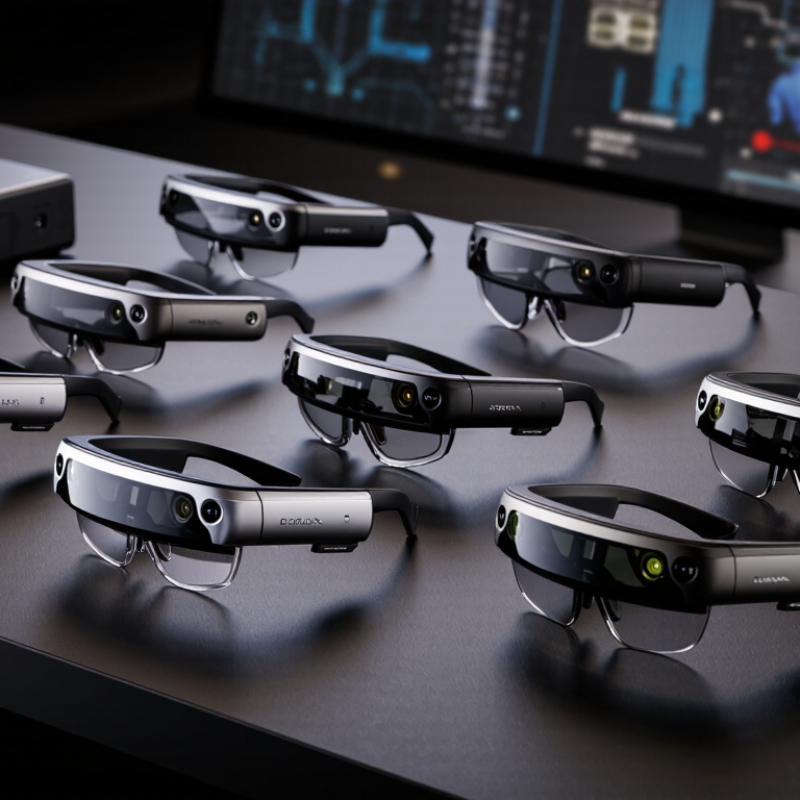
For global buyers, a manufacturer’s strength is more than a bright display. Optical specialists can deliver crisp text and stable alignment, while experienced electronics makers often excel at lightweight frames, battery integration, and reliable production. These differences matter in daily use: a technician may need hands-free instructions that remain readable under factory lighting; a field team may value a secure fit over a wider image. Fit matters. Ask suppliers for measured brightness, field of view, battery life, and device compatibility, then test samples in the intended environment.
IDC’s Worldwide Quarterly AR/VR Headset Tracker forecast an 8.3% shipment decline in 2024, followed by 41.4% growth in 2025. These figures cover a changing headset category, not every type of optical smart glasses, so they are useful context rather than a direct ranking of manufacturers. Buyers should compare product strengths against deployment needs: optical clarity for detailed work, low weight for long shifts, and software support for existing systems. Request thermal and comfort results from extended trials, not just short demonstrations. A spec sheet can still hide an awkward nose bridge. That is easy to overlook. Manufacturers with clear repair paths and consistent quality checks may also reduce deployment friction, though buyers should verify those claims with service records and pilot results.
AR Glasses Product Strengths: Field-of-View Benchmarks
A comparison of published diagonal field-of-view specifications for representative AR glasses. Wider fields of view can make digital content feel more immersive.
Specifications are representative published product figures, not manufacturer averages or a ranking. Company and brand names are intentionally omitted.
Comparing Manufacturers by Use Case and Buyer Requirements
Choosing an AR glasses manufacturer begins with the job, not the product catalog. Warehouse picking needs readable prompts, a wide view, and controls that work with gloves. Field technicians may value hands-free video, clear audio, and batteries that last through a shift. Training teams should check whether instructions stay aligned as users move.
Fit matters. Ask manufacturers for working samples, not only polished demonstrations. Test them under bright light, with safety eyewear, and during realistic tasks. A display that looks sharp indoors may wash out beside a loading bay. Comfort can also change after two hours. Small details count.
Compare support as closely as hardware. Ask how software updates are handled, which systems the glasses can connect to, and how quickly replacement parts ship to your region. Request documented test results and clear warranty terms. A tidy demo can still hide setup friction. Not always. Pilot units with actual workers, then record task time, error rates, and feedback before placing a larger order. These results may challenge the original brief, which is useful. Manufacturers vary in optical design, customization, production capacity, and regional service, so the best fit depends on your users and operating conditions.

 Smart Glasses
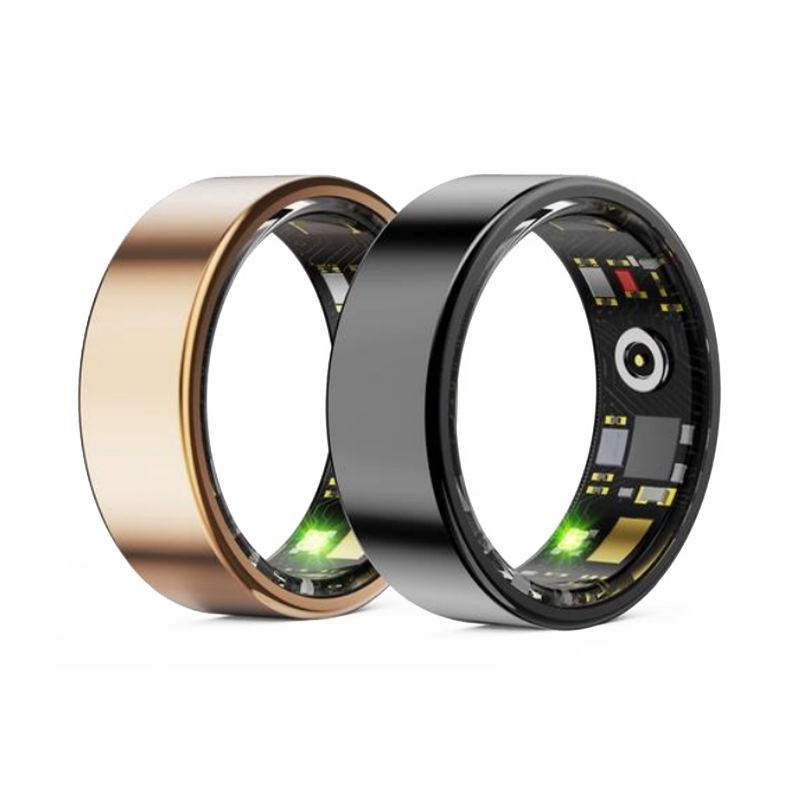 Smart Ring
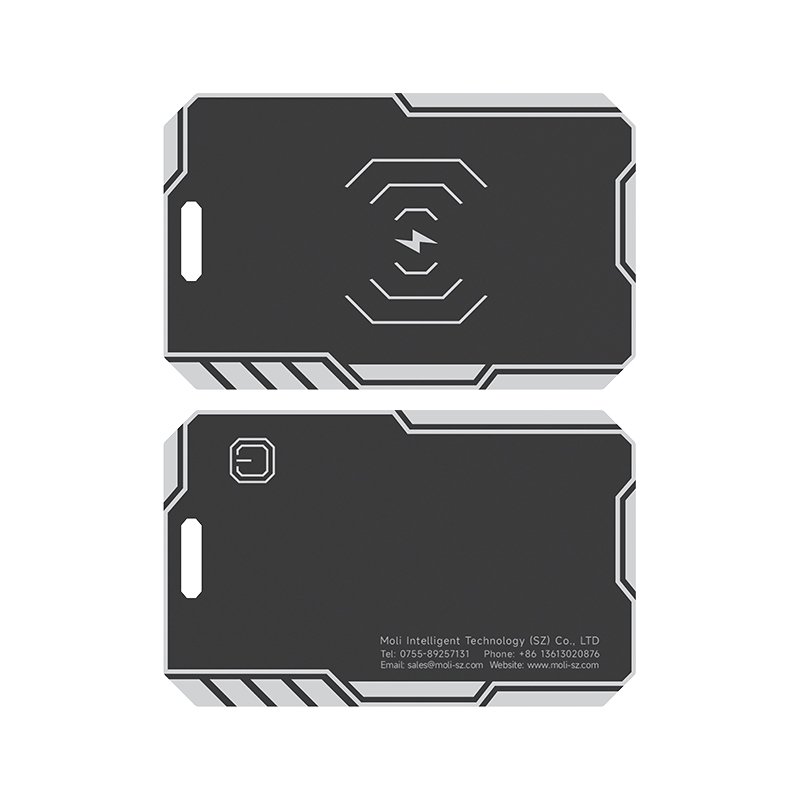 Smart Locator


 +86-13613020876