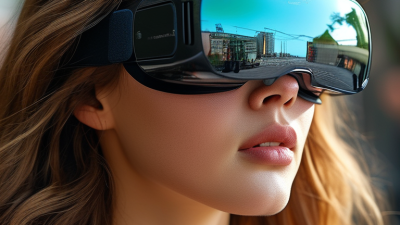
Top 10 Smart Glasses Technology Trends You Should Know?
The realm of Smart Glasses Technology is rapidly evolving, capturing the attention of both consumers and industries alike. According to a recent report by MarketsandMarkets, the smart glasses market is expected to grow significantly, reaching $24 billion by 2025. This growth reflects a surge in interest in augmented reality (AR) applications and wearable technology. Companies are investing heavily in innovative designs and functionalities to enhance user experiences.
Despite this excitement, there are challenges looming over the adoption of smart glasses. Users often express concerns regarding privacy and comfort. A study from Gartner reveals that nearly 40% of consumers are hesitant to wear augmented reality devices in public due to privacy fears. Furthermore, many current models still grapple with issues related to battery life and weight, affecting overall usability. These hurdles remind us that while the potential of Smart Glasses Technology is immense, the path to widespread adoption is fraught with considerations that must be addressed for success.
In the upcoming sections, we’ll explore the top ten trends shaping Smart Glasses Technology. These insights will highlight how the industry is navigating its complexities, striving to deliver innovative solutions while also reflecting on unmet user needs.
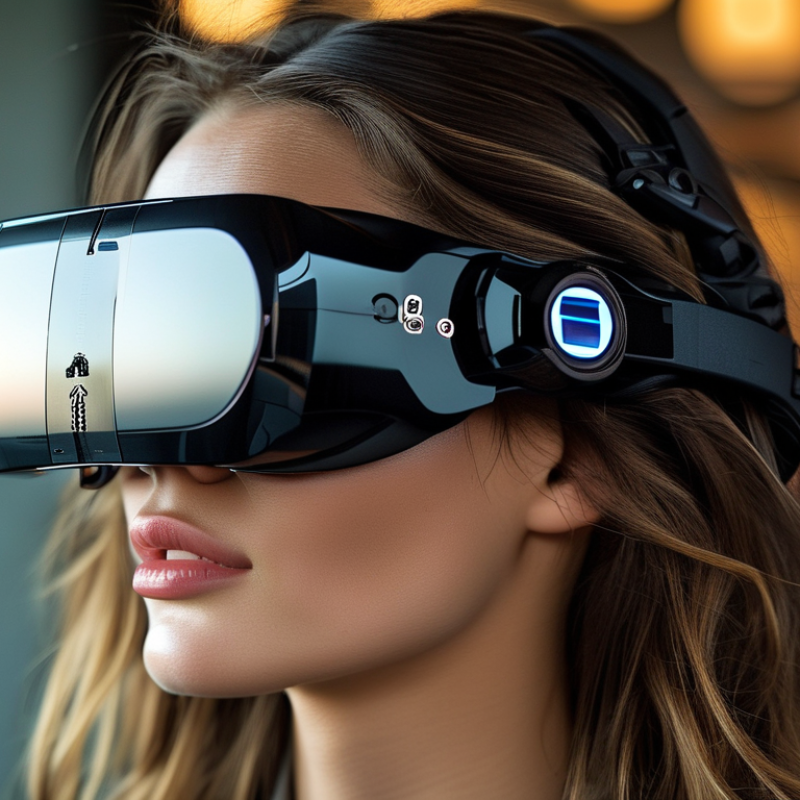
Emerging Features of Smart Glasses in 2023 and Beyond
Smart glasses are evolving rapidly, bringing new features that enhance user experience. In 2023, augmented reality (AR) capabilities stand out. These glasses now overlay digital information onto the real world. For example, users can receive navigational prompts directly in their field of vision. This increase in functionality makes everyday tasks easier and more interactive.
Another exciting trend is improved connectivity. Many smart glasses now support seamless integration with smartphones and other devices. Users can manage notifications, calls, and even apps directly from their eyewear. However, this raises concerns about privacy and data security. As functionality grows, manufacturers must prioritize user data protection.
Battery life is also receiving attention. Current models struggle with longevity, often needing frequent recharges. While some advancements have been made, this remains a challenge for widespread adoption. Users may find themselves frustrated if glasses run out of power during important tasks. These emerging features and ongoing obstacles shape the future of smart glasses, presenting both opportunities and challenges for the technology landscape.
Innovations in Augmented Reality Integration for Smart Glasses
The integration of augmented reality (AR) into smart glasses is reshaping how we perceive the world. These devices overlay digital information onto our field of vision, thus enhancing our real-time experiences. Users can see important data without needing to glance away from their surroundings. Imagine walking through a museum while receiving contextual information about the artwork displayed. This seamless interaction helps bridge the gap between the virtual and the physical.
However, challenges remain. The technology can sometimes be intrusive. Users may feel overwhelmed by excessive notifications or data overload. There's also a concern over privacy. When glasses capture images or videos, who owns that data? Striking a balance between utility and privacy is crucial. The future will require refining these technologies to minimize distractions while maximizing functionality.
Innovations in AR for smart glasses are continuously evolving. They are venturing into industries like healthcare, education, and gaming. This opens up exciting possibilities for immersive learning and remote assistance. As the technology advances, there will be more opportunities to enhance human capabilities. Yet, each step forward requires careful consideration of ethics and user experience.
Advancements in Battery Life and Performance of Smart Glasses
Advancements in smart glasses technology are revolutionizing user experience. A key focus is battery performance. Today, users demand longer battery life without sacrificing features. Recent innovations target this challenge, improving energy efficiency and extending usage hours. Enhanced battery designs allow for more compact builds while maintaining power.
Smart glasses are becoming more user-friendly. The integration of lightweight battery sources enhances comfort during extended wear. Users can now enjoy immersive experiences without frequent recharging. However, manufacturers still face hurdles. Balancing size, weight, and battery longevity requires ongoing research. Solutions must also prioritize safety and environmental impact.
The potential for smart glasses is significant. Future developments may allow for quick battery swaps or even wireless charging advancements. Continuous improvements promise to make smart glasses more accessible and practical. Users will benefit from seamless integrations into daily life. This progress, though promising, remains a work in progress. Constant innovation is key to addressing existing limitations.
Impact of AI and Machine Learning on Smart Glasses Functionality
The integration of AI and machine learning into smart glasses technology is transforming user experiences. According to a recent industry report, the smart glasses market is expected to reach USD 14 billion by 2025, with AI-driven functionalities playing a pivotal role. These technologies enhance object recognition, allowing glasses to identify surroundings and provide contextual information. This capability can assist users in navigating complex environments more seamlessly.
AI algorithms analyze data from various sensors, improving the glasses' adaptability. For instance, they can learn from user behavior, adjusting functions based on preferences. However, there are challenges to consider, such as privacy concerns. How is user data managed, and how can developers ensure security? A survey revealed that 40% of potential users hesitate to adopt smart glasses due to privacy fears.
Moreover, machine learning enables real-time language translation, providing users with instant access to information. This feature can be a game-changer in multicultural settings. Yet, the technology is not flawless. Misinterpretations can occur, leading to confusion. Developers need to refine these algorithms continuously to ensure accuracy. As these technologies evolve, they hold the potential to revolutionize how we interact with our environment through smart glasses.
Key Players and Market Trends Shaping Smart Glasses Development
The smart glasses market is rapidly evolving. According to recent reports, the global smart glasses market size is expected to reach $25.5 billion by 2026, growing at a CAGR of 21.3%. This growth is largely driven by advancements in augmented reality (AR) and virtual reality (VR) technologies. Key players in the industry are focusing on enhancing user experience through improved displays and intuitive interfaces.
Consumer interest is rising, especially in sectors like healthcare, retail, and manufacturing. In healthcare, smart glasses can assist in surgeries, providing real-time data to doctors. Retailers are using this technology for immersive shopping experiences. Despite the promise, significant challenges remain. Issues like battery life, user acceptance, and privacy concerns must be addressed. Some users feel overwhelmed by the information delivered through these devices.
Market dynamics are shifting. Startups are entering the space, driving innovation and competition. However, many companies still rely on traditional methods. This reliance limits potential advancements. The next few years will be crucial for smart glasses. The continued development will shape their functionality, usability, and adoption across different industries. The focus will need to balance advanced technology with practical usability.
Top 10 Smart Glasses Technology Trends
This chart represents the influence of key trends shaping the development of smart glasses technology. Each trend is scored from 1 to 10 based on its current impact and potential for future advancement.
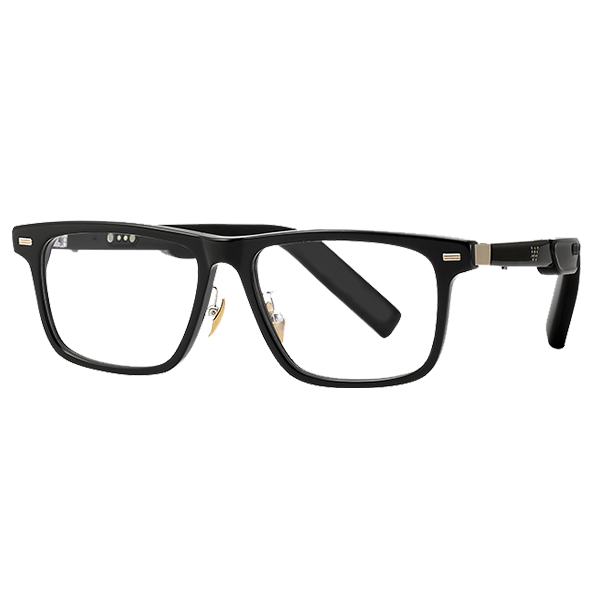 Smart Glasses
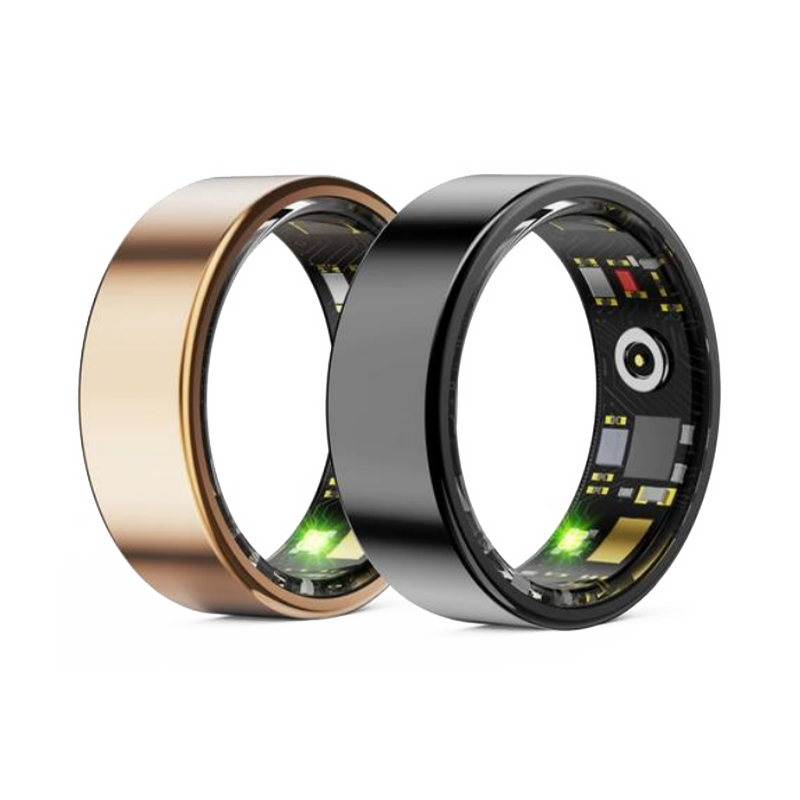 Smart Ring
 Smart Locator


 +86-13613020876

 CONTACT NUMBER
 CONTACT NUMBER