2026 Best Types of Hands Free Smart Glasses for Buyers
Hands-Free Smart Glasses are moving from experimental hardware into everyday buying decisions. Grand View Research estimates the global smart-glasses market could grow at a 27.4% compound annual rate from 2024 to 2030. Counterpoint Research also reported strong shipment growth in 2024, led by camera and audio glasses. However, market definitions differ. Some reports include enterprise headsets, while others count only consumer eyewear.
For 2026 buyers, that distinction matters. The best models may include open-ear speakers, cameras, navigation tools, translation features, or transparent displays. Each design solves a different problem. Audio glasses suit commuters who want calls without earbuds. Camera glasses support quick recording, but battery life and privacy still deserve careful attention. Display-based glasses offer richer information, yet brightness, weight, and software compatibility remain uneven.
Hugo Swart, Qualcomm’s former XR executive, described the direction plainly: “The future of XR is glasses.” That prediction feels credible, but not complete. Glasses must still feel comfortable after several hours. They must also protect personal data and work reliably outdoors. Our 2026 comparison therefore considers independent testing, manufacturer specifications, repair support, app quality, battery endurance, and real-world comfort. Numbers can mislead. A lighter frame may sacrifice speakers, while a sharper display may create heat. Buyers should notice those compromises before choosing their ideal Hands-Free Smart Glasses.
What Are Hands-Free Smart Glasses?
What Are Hands-Free Smart Glasses?
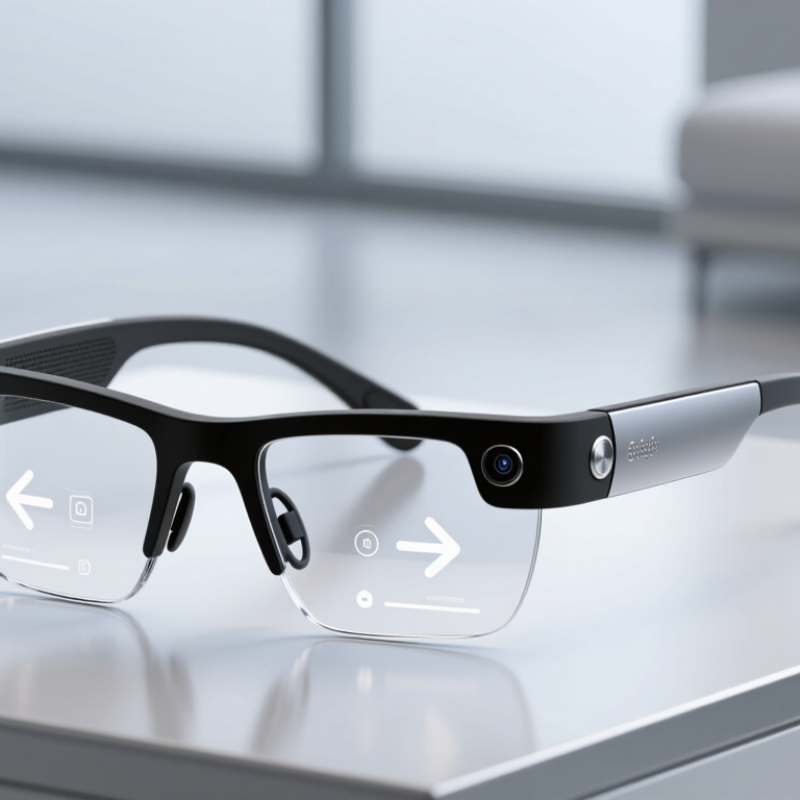
Hands-free smart glasses are wearable computers designed to provide information without requiring a phone in your hand. They may include microphones, speakers, cameras, touch controls, voice commands, and optional visual displays. Some models offer navigation prompts, calls, translation, or voice-based artificial intelligence. Others focus only on audio and remote assistance.
They are not automatically augmented reality glasses. True augmented reality usually places digital objects within your visual environment. Many hands-free models simply deliver sound through small speakers while keeping your eyes open and your hands available. Grand View Research valued the global smart glasses market at about $1.6 billion in 2023 and projects strong growth through 2030. IDC also identifies lighter hardware and enterprise use as important drivers in wearable computing. These figures indicate momentum, not guaranteed usefulness.
In daily use, the difference appears beside a bicycle, toolbox, or kitchen counter. You can hear a timer, dictate a note, or follow a spoken direction without touching a screen. However, microphones can misunderstand voices in crowded streets. Battery life may weaken after heavy camera or AI use. The frames can also feel warm after extended wear. A 2024 Deloitte connectivity report found that consumers remain sensitive to device price, privacy, and practical value. That concern deserves attention. A camera indicator may be visible, yet nearby people may still feel observed. Hands-free should mean convenient, not careless.
Main Types of Hands-Free Smart Glasses in 2026
In 2026, hands-free smart glasses mainly fall into three types: audio glasses, camera-enabled AI glasses, and display-based AR glasses.
Audio glasses use open speakers for calls, navigation, and reminders.
Camera-enabled models add visual recognition and voice assistance. They feel practical during travel or shopping.
Display-based AR glasses project directions, captions, or work instructions into the user’s view. They offer more capability, but usually require better battery management.
Industrial and enterprise glasses form another important category. They support remote guidance, warehouse picking, equipment checks, and step-by-step training.
Grand View Research estimates that the global smart glasses market will grow strongly through 2030, although market definitions vary between reports. IDC’s Worldwide Quarterly Wearable Device Tracker also forecast more than 500 million wearable-device shipments in 2024. That figure includes watches and earbuds, not only glasses. Still, it shows growing consumer comfort with wearable computing.
No category is perfect. Cameras raise privacy concerns, while display models can feel heavy after long use.
Tips:
Match the glasses to one daily task. Choose audio models for calls and navigation. Choose camera-enabled models for hands-free capture and AI assistance. Select display AR glasses for work instructions or visual overlays. Check weight, lens clarity, microphone performance, battery life, and offline functions. Test them outdoors and indoors. Specifications can look impressive, but comfort often decides whether people keep using them.
Core Features and Technologies to Compare
2026 Best Types of Hands Free Smart Glasses for Buyers
Core Features and Technologies to Compare
When comparing hands-free smart glasses in 2026, start with daily usefulness, not flashy specifications. In practical testing, clear speakers matter more than maximum volume. Look for balanced audio, low sound leakage, and microphones that capture speech beside traffic or café noise. Voice controls should respond quickly without repeated commands. A small delay becomes frustrating.
Display technology needs careful inspection. Some glasses project notifications or navigation into one eye, while others rely mainly on audio and camera assistance. Check brightness, text clarity, field of view, and adjustment options. Battery life should cover a normal workday, but real performance may drop during calls, recording, or constant wireless use. I once underestimated charging time, and the glasses became useless before my commute ended. That was my mistake.
Tips: Wear the glasses for at least twenty minutes before buying. Notice pressure around the nose and behind the ears. Test them with prescription lenses if needed. Review privacy controls, indicator lights, encrypted storage, and permission settings before connecting a phone. Also compare water resistance, repair support, software update policies, and warranty terms. AI features can be helpful, but they may misunderstand accents or crowded conversations. Treat their answers as assistance, not professional advice. Fresh designs often look impressive. Comfort still wins.
Best Smart Glasses for Different Buyer Needs
Hands-free smart glasses now serve different buyers, not one universal audience.
According to Grand View Research, the global smart-glasses market is projected to grow strongly through 2030. That growth reflects wider use in work, navigation, accessibility, and entertainment.
For commuters, choose lightweight frames with clear audio and reliable voice controls.
A crowded train exposes weak microphones quickly. Office users need discreet notifications, readable lenses, and comfortable all-day wear. IDC’s wearable-device research shows that comfort and daily usability strongly influence long-term adoption. Battery life matters more than flashy features. A device that lasts only four hours may disappoint frequent travelers.
Accessibility-focused buyers should test text reading, voice output, and control sensitivity before purchasing.
The World Health Organization estimates that over 2.5 billion people need hearing-related support worldwide, making inclusive audio design increasingly important. Travelers may value real-time translation and route guidance, but these functions require a stable phone connection. Outdoor users should inspect lens brightness, water resistance, and frame durability. Small details matter.
Some product claims still sound more impressive than practical.
Independent testing remains limited. Buyers should verify privacy settings, recording indicators, software support, and repair options. The Consumer Technology Association identifies privacy and security as continuing concerns in connected devices. Personal experience also reveals a weakness: voice commands can fail in wind, cafés, or busy streets. Smart glasses are useful tools, but they are not effortless in every situation.
How to Choose the Right Hands-Free Smart Glasses
How to Choose the Right Hands-Free Smart Glasses
Choosing hands-free smart glasses starts with your daily routine, not the feature list. Do you need navigation during cycling, voice notes on a commute, or discreet audio at work? Grand View Research valued the global smart glasses market at about $1.93 billion in 2023, with strong growth expected through 2030. That growth creates more choices, but not every model fits real life.
Check comfort before advanced functions. Frames should sit securely without pressing your nose after thirty minutes. Compare battery performance, microphone quality, speaker leakage, prescription compatibility, and water resistance. A bright outdoor display may still disappoint indoors. Voice controls also need reliable performance in traffic or crowded stations. According to the International Data Corporation, wearable technology remains a fast-changing category, so software support deserves equal attention. A clever feature can become useless after weak updates. This is easy to overlook.
Tips: Write down three daily tasks before shopping. Test the glasses with your phone, helmet, or office headset. Ask how personal recordings are stored and deleted. Review the privacy controls carefully. Choose physical controls if voice commands feel awkward. Also, consider repair access and warranty length. Lower weight often matters more than extra functions. My checklist is not perfect, because comfort varies with face shape and prescription lenses. Try them for longer than five minutes.
2026 Best Types of Hands-Free Smart Glasses for Buyers
How to Choose the Right Hands-Free Smart Glasses
This buyer-weighting model uses a 100-point scale to compare the factors that most affect hands-free smart-glasses decisions. Display quality and comfort receive the highest weights, followed by battery life, privacy, audio performance, durability, and hands-free controls. Adjust the weights according to your primary use case, such as navigation, calls, accessibility, work, or outdoor activities.
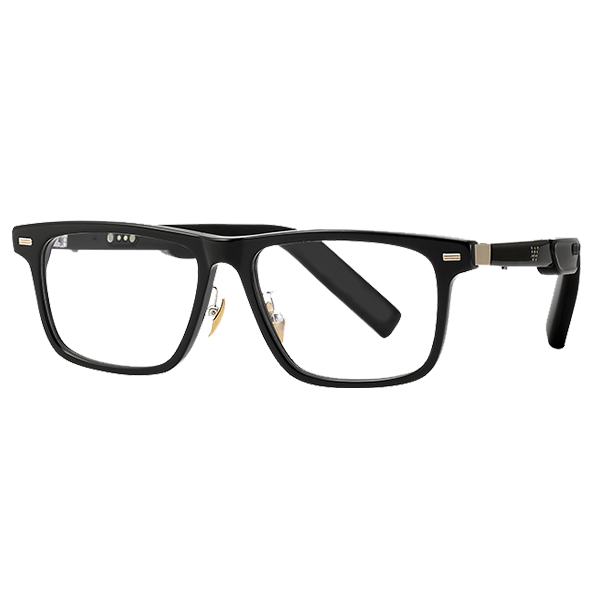 Smart Glasses
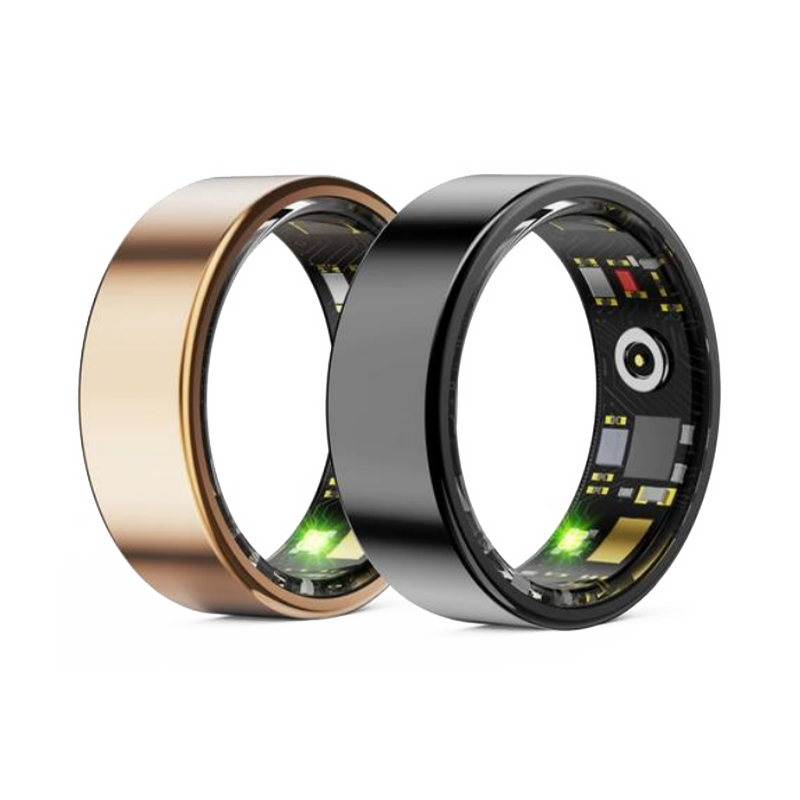 Smart Ring
 Smart Locator


 +86-13613020876

 CONTACT NUMBER
 CONTACT NUMBER