How to Choose Smart Glasses for Global Sourcing?
Choosing Smart Glasses for global sourcing is no longer a simple product search. Buyers must compare optical quality, battery life, microphones, processors, software support, and factory consistency. A polished sample can still hide weak hinges, unstable firmware, or expensive replacement parts.
Market evidence shows strong momentum. Counterpoint Research’s Global Smart Glasses Shipment Tracker reported a 210% year-on-year increase in shipments during the first half of 2025. IDC’s extended reality research also identifies lighter, more practical devices as important growth drivers. These figures suggest opportunity, but they do not guarantee a reliable supplier. Demand can rise faster than manufacturing discipline.
“The next smartphone is going to be a pair of glasses,” Qualcomm CEO Cristiano Amon said in a widely reported industry discussion. His view explains the category’s potential, yet sourcing teams need more than vision. They need proof.
Ask for measured brightness, field of view, charging cycles, camera performance, and heat levels. Request production samples, not only showroom prototypes. Check whether the supplier controls firmware updates and component replacement. Confirm testing records for battery safety, radio performance, and product durability.
Small details matter.
For example, a 40-gram frame may feel comfortable indoors but become heavy after two hours outdoors. A bright display may also reduce battery life sharply. Global sourcing adds uncertainty around logistics, regional requirements, after-sales service, and data handling. No checklist is perfect. I have seen promising specifications fail during repeated testing. A careful buyer should therefore compare independent evidence, factory capability, and total ownership cost before committing to Smart Glasses.
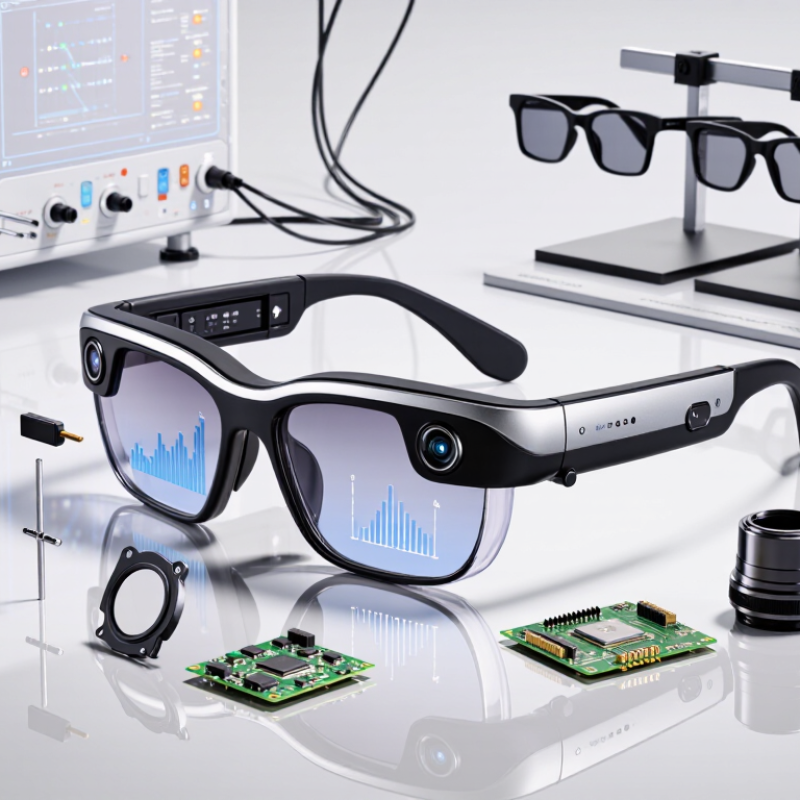
Define Smart Glasses Requirements for International Use
Choosing smart glasses for global sourcing starts with a location-specific requirements sheet, not a feature list. Define users, work settings, languages, climates, and offline needs. A warehouse model may need bright text and a ten-hour battery. A tourism model may prioritize translation, microphones, and comfort. Fortune Business Insights’ 2024 Smart Glasses Market report valued the market at about USD 1.26 billion in 2024 and forecast growth to USD 2.87 billion by 2032. Market estimates vary. Procurement assumptions should remain flexible.
Specify regional connectivity, charging plugs, display brightness, lens options, and temperature performance. Request test units from suppliers. Measure battery life with cameras, wireless connections, and voice functions active. Check microphone clarity in a crowded station, not only in a quiet office. Define language support, software update methods, repair channels, packaging, and documentation. Confirm applicable conformity requirements with qualified local professionals. Those requirements can differ across destination markets. A draft specification can still be wrong.
Tips: Create a country-by-country scorecard. Include weight, battery runtime, heat tolerance, warranty response, and total landed cost. Ask suppliers for independent test reports and sample logs. Do not accept “global compatibility” without written frequency, language, and operating-temperature details. Small omissions become expensive during international deployment.
Compare Display, Connectivity, Battery, and Sensor Specifications
How to Choose Smart Glasses for Global Sourcing?
Display quality should match the job, not the showroom. A 2024 IDC Worldwide AR/VR Headset Tracker reported global shipments of about 8.1 million units in 2023, showing a cautious market. Buyers should test optical clarity, field of view, contrast, and outdoor readability. A bright warehouse can expose weak displays quickly. Micro-OLED may deliver sharper images, while waveguide designs can keep the frame lighter. The trade-off is rarely explained clearly.
Connectivity affects daily reliability. Wi-Fi 6 can support faster data transfer, but it may increase power use. Bluetooth 5.3 is useful for phones, audio, and low-energy sensors. Cellular support can reduce phone dependence, although regional bands must match each destination. The GSMA Mobile Economy 2024 report noted that 5G adoption will keep expanding globally, but coverage remains uneven across markets. Do not assume one modem works everywhere.
Battery and sensors deserve practical testing. Canalys reported strong growth in the broader wearable band during 2024, yet smart glasses still face limited battery capacity. Ask suppliers for continuous-use results, not standby claims. Six hours of advertised operation may become three hours with cameras, wireless links, and bright displays active. Check charging time, thermal comfort, camera resolution, microphone quality, and motion-sensor accuracy. Sensor specifications can look impressive on paper. Real-world calibration is messier. Test samples across languages, lighting conditions, temperatures, and network types before placing a large order. Citation sources: IDC Worldwide AR/VR Headset Tracker, 2024; GSMA Mobile Economy 2024; Canalys wearable market analysis, 2024.
How to Choose Smart Glasses for Global Sourcing?
Comparison of representative display, connectivity, battery, and sensor specifications for sourcing evaluation.
Higher brightness improves outdoor readability, while longer battery life supports extended shifts. More sensors can enable richer motion, environmental, and interaction features. Wireless figures represent peak link-class benchmarks; actual throughput depends on antenna design, distance, interference, and software. Always validate final values against supplier datasheets and samples.
Assess Total Costs, Logistics, Warranty, and After-Sales Support
When sourcing smart glasses globally, compare landed cost, not factory price. Build a cost sheet for each model and destination. Include tooling, firmware localization, testing, packaging, inspection, freight, duties, VAT, payment fees, returns, and recycling. UNCTAD’s Review of Maritime Transport 2024 states that over 80% of international goods trade by volume moves by sea. That statistic matters when choosing between low-cost ocean freight and faster air delivery. The 2023 World Bank Logistics Performance Index covers 139 economies and evaluates customs, infrastructure, tracking, and timeliness. Use those indicators to question delivery promises.
Do not treat warranty as a short paragraph in a contract. Define dead-on-arrival rates, twelve-month failure rates, response times, repair limits, and spare-part availability. Request a serial-number process, diagnostic instructions, and clear responsibility for return shipping. A small regional repair stock can reduce customer downtime, but it adds inventory risk. Measure that risk monthly.
After-sales support needs evidence. Ask for anonymized service records, escalation contacts, replacement-unit targets, and multilingual manuals. Track return reasons separately: battery, display, charging, software, or user damage. The numbers may be incomplete. That is normal, but not harmless. Forecasts can mislead. A pilot shipment of 100 to 300 units can expose customs delays, packaging damage, and unclear warranty decisions before a larger purchase. Review the findings with finance, logistics, quality, and support teams.
Verify Samples, Compliance Documents, and Long-Term Supply Capacity
How to Choose Smart Glasses for Global Sourcing?
A reliable decision starts with physical samples, not a polished presentation.
Request several units from different production batches. Test the camera, display brightness, microphones, speakers, charging port, and battery after repeated use. Wear them for two hours. Notice pressure near the nose and ears. Test it twice.
Ask for samples matching the proposed production version. A demonstration unit may use better components than the factory’s normal build. Check firmware stability, application connection, heat, and hinge strength. Record defects with photos and dates. Small failures often become expensive returns.
My own mistake was accepting excellent performance from one sample without testing consistency. That lesson still matters.
Documents must match the exact model and importing market. Request test reports, declarations, material information, product labels, and traceable serial numbers. Confirm the laboratory, test dates, and listed specifications. Do not accept unclear screenshots. Compliance paperwork should be reviewable and current. It may also require local review before shipment.
Long-term supply capacity deserves the same attention.
Ask for the bill of materials, critical component lead times, monthly output, quality-control stages, and backup suppliers. Review how the factory handles battery shortages, firmware changes, and rejected batches. A written capacity plan is stronger than a confident promise. Yet forecasts can still fail. Leave room for delays, replacement parts, and a second inspection before every major order.
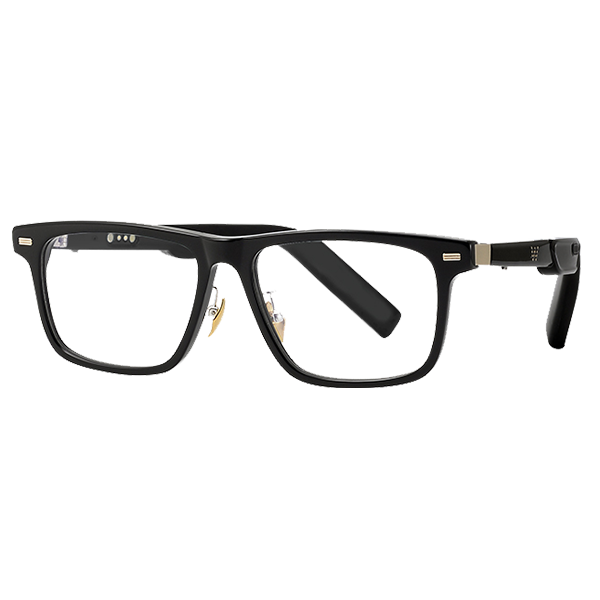 Smart Glasses
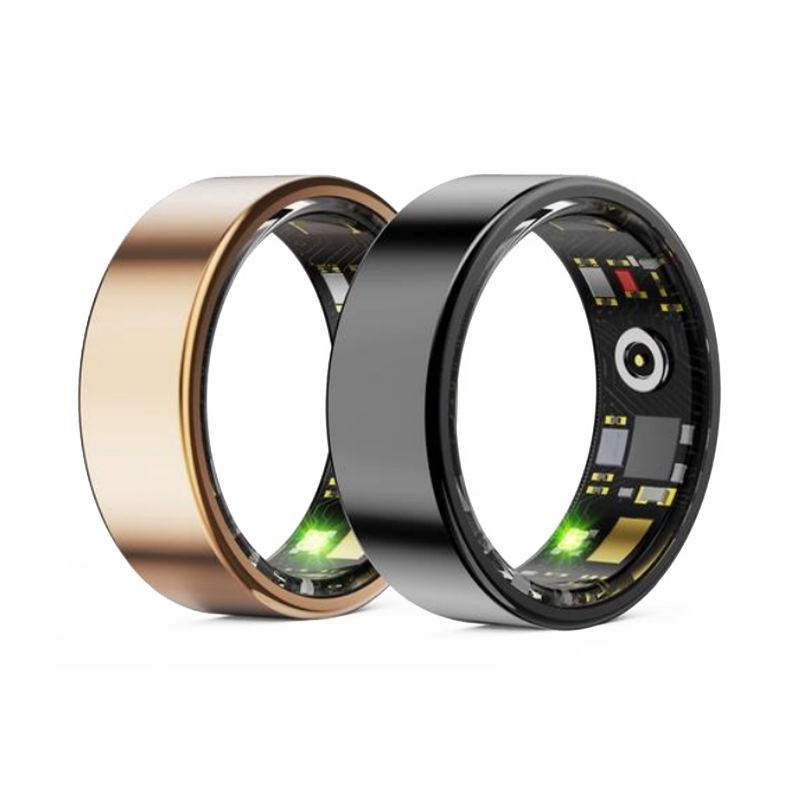 Smart Ring
 Smart Locator


 +86-13613020876

 CONTACT NUMBER
 CONTACT NUMBER