+86-13613020876


Hands-Free Smart Glasses are moving from experimental hardware toward practical tools for work, navigation, translation, and remote assistance. China has become an important manufacturing base for this transition. Its suppliers combine optical engineering, compact electronics, software integration, and scalable production. This article introduces China’s top 10 Hands-Free Smart Glasses suppliers and examines their capabilities, product focus, and commercial reliability.
The opportunity is measurable. Counterpoint Research reported strong year-on-year growth in global smart-glasses shipments during 2024, although adoption remains concentrated among a few leading brands. Grand View Research also identifies smart glasses as a fast-growing wearable technology segment, supported by rising demand for augmented experiences and hands-free information access. These reports show momentum, not guaranteed success. Battery life still limits full-day use. Optical clarity can vary sharply between models. Comfort remains easy to underestimate.
Supplier selection therefore requires more than a polished product image. We consider display technology, field of view, microphone performance, processor efficiency, battery endurance, SDK support, and manufacturing consistency. Compliance documentation, quality-control systems, and after-sales service also matter for international buyers. Public information is sometimes incomplete, so this ranking should support further due diligence rather than replace it. A supplier may excel at prototypes but struggle with volume production. That difference matters.
The following overview draws on industry research, supplier disclosures, and practical sourcing considerations. It aims to provide a clearer starting point for distributors, technology companies, and enterprise buyers evaluating China’s Hands-Free Smart Glasses ecosystem.
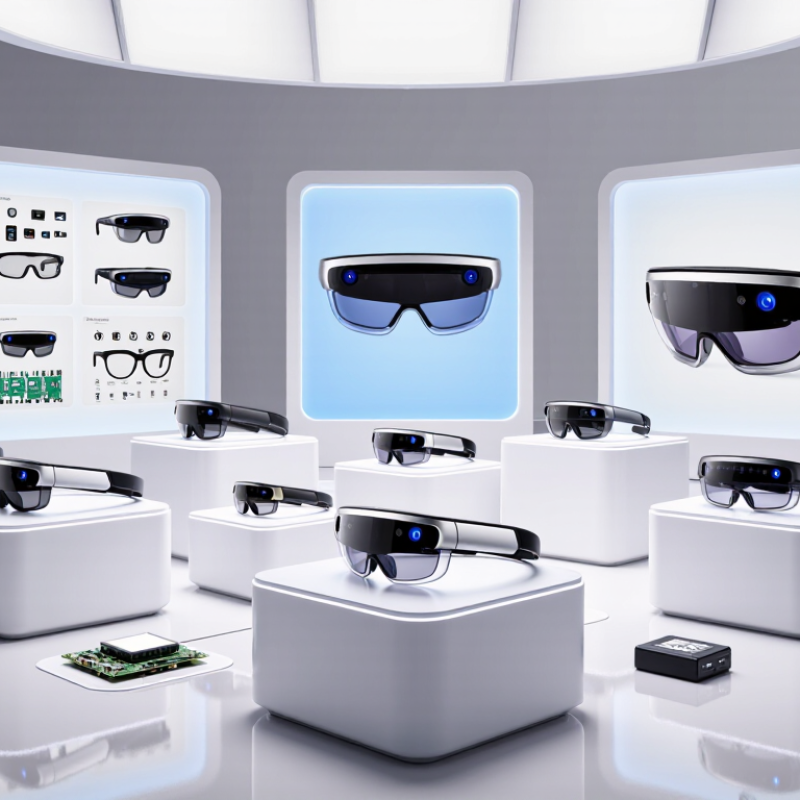
China’s hands-free smart glasses market is moving from experimental prototypes toward practical daily use. Suppliers are concentrating in established electronics manufacturing regions, where optical parts, batteries, wireless modules, and precision frames can be tested within one supply chain. This shortens development cycles and supports smaller production runs.
Demand is growing among field technicians, warehouse workers, tour guides, and consumers seeking lighter digital access. Common functions include voice control, navigation prompts, remote assistance, translation, and image capture. Buyers should examine microphone performance in noisy workshops, lens comfort after several hours, and battery life during continuous use. Small details matter.
Privacy design is becoming a purchasing factor. Visible recording indicators, local data controls, and clear user permissions can improve trust. Suppliers with documented testing procedures usually offer more reliable production quality. However, supplier claims still require independent verification. A polished demonstration may hide weak heat management or unstable software.
China’s market remains competitive, but it is not fully mature. Some products feel impressive in a showroom and awkward on a busy street. Manufacturing strength does not automatically guarantee excellent user experience. Careful buyers should request sample units, review failure rates, inspect after-sales support, and test compatibility with existing mobile systems. Costs may fall as components improve, yet comfort, safety, and long-term software support will likely separate dependable suppliers from temporary contenders.
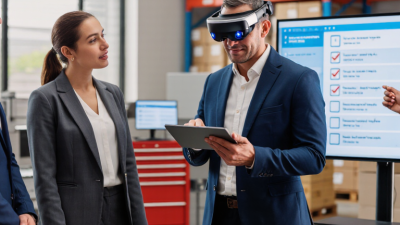
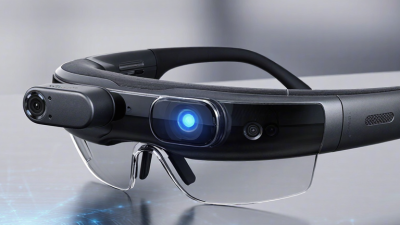
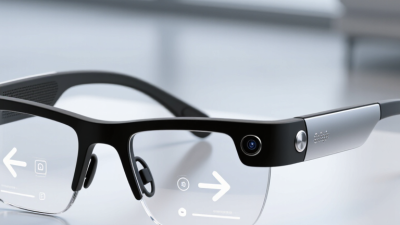
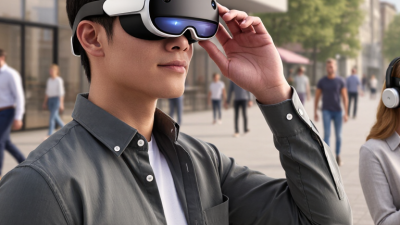
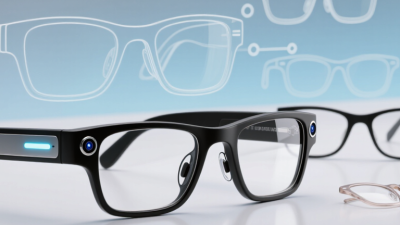
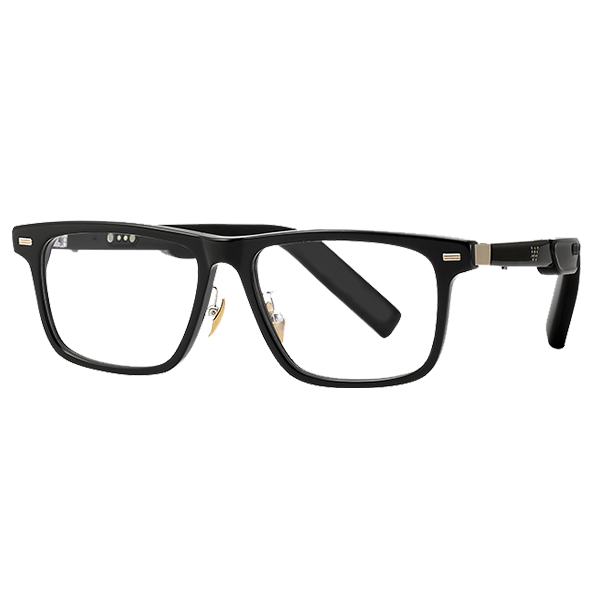
Hands-free smart glasses combine a lightweight frame with cameras, microphones, speakers, and sometimes a small visual display. Their main value is keeping both hands available while users receive information, record approved content, or follow spoken instructions. Voice control should respond accurately in a noisy workshop, not only in a quiet room. Clear microphones and directional speakers matter more than impressive specifications.
Comfort is equally important. A balanced frame should not press heavily on the nose after several hours. Adjustable hinges, prescription-lens support, and low heat around the temples improve daily use. Battery life varies with camera recording, calls, navigation, and display brightness. A practical evaluation should test these features separately, because advertised endurance may not match continuous use. Short charging times can matter more than a large battery rating.
Privacy features deserve careful attention. A visible recording indicator, physical camera control, and clear permission settings help people understand when data is collected. Secure wireless connections and regular software updates also support dependable use. Water resistance may protect against light rain, but it does not guarantee safe use during heavy exposure. No frame is perfect. Some displays remain difficult to read under strong sunlight, while voice commands can fail with accents or background noise. Buyers should compare comfort, repair support, lens options, and verified testing results before choosing a supplier.
China Top 10 Hands Free Smart Glasses Suppliers
China’s leading hands free smart glasses suppliers combine optical design, compact electronics, and large-scale manufacturing. Their strengths vary across practical areas. Some suppliers focus on lightweight frames for daily wear. Others develop stronger audio systems, camera modules, or industrial inspection features. Experienced buyers should examine prototype quality, not only product catalogs.
Many top suppliers offer OEM and ODM services. They can adjust frame materials, lens options, microphone placement, and charging methods. Several maintain in-house engineering teams for circuit design and firmware testing. Their factories may also provide assembly, aging tests, and batch inspection. This improves consistency when orders grow. However, supplier claims still require verification. A polished sample can hide production weaknesses.
Battery performance remains a key comparison point. A useful model should balance weight, heat control, standby time, and comfort. Suppliers with mature supply chains often source components faster and manage replacement parts better. Ask for test reports, waterproof ratings, app compatibility, and repair procedures. Request samples from different production batches. Real use is less forgiving. Some products still need better hinges, clearer instructions, or longer battery life. These weaknesses deserve honest discussion before a long-term contract.
China’s top 10 hands-free smart glasses suppliers are often evaluated through manufacturing depth, quality control, and technology capabilities. Experienced suppliers begin with stable frame tooling, precise lens alignment, and repeatable electronic assembly. Their factories should separate optical, mechanical, and software testing areas. This reduces contamination and limits avoidable assembly errors.
Reliable production includes incoming inspection for displays, cameras, batteries, microphones, and wireless modules. Operators record component batches before assembly.
Finished glasses may undergo drop testing, hinge-cycle testing, sweat exposure, thermal cycling, and charging checks. Optical teams measure lens distortion, brightness, color consistency, and viewing comfort. Audio tests should examine microphone clarity in traffic-like noise, not only quiet rooms. Small details matter.
Software capability is equally important. Strong engineering teams manage firmware updates, Bluetooth stability, voice response latency, and power consumption.
They also protect user data through controlled access, secure update procedures, and documented testing. Manufacturing records should connect each unit with inspection results and repair history. This traceability supports faster root-cause analysis.
However, no supplier is flawless. A polished prototype can hide weak mass-production control. That gap matters. Buyers should review pilot-run data, failure rates, corrective actions, and independent audit records. Some factories still depend too heavily on manual inspection, which creates uneven results across shifts. Continuous training and automated vision checks can improve consistency, but they require investment and honest performance reviews.
China’s top ten hands-free smart glasses suppliers may look similar online, but reliable selection requires evidence beyond polished product pages. Check whether the supplier controls design, assembly, testing, and after-sales support. Ask for evidence.
Request a working sample from the same production line used for regular orders. Test voice pickup in a noisy office, lens clarity outdoors, battery duration, charging heat, Bluetooth stability, and frame comfort after two hours. Review technical files, material specifications, quality-control records, and applicable safety certifications. A capable supplier should explain failure rates and inspection methods clearly, not simply promise “premium quality.” That matters.
Supplier experience also appears in small details. Can the engineering team modify the temple structure without weakening it? Are replacement parts available for hinges, nose pads, and charging cables? Does the contract define sample approval, tolerances, delivery dates, warranty handling, and rejected goods? Evaluate communication during a trial order. Slow replies before payment often become slower after payment. Do not guess.
A factory visit or independent audit can reveal crowded workstations, inconsistent labeling, or weak final inspection. Still, audits are only snapshots. A supplier may perform well during inspection and struggle during peak season. Ask for recent production references, but verify them independently. I would also compare three quotations carefully; the cheapest option may hide shorter battery testing or weaker component traceability. My own assessment would remain provisional until the supplier completes a small pilot order with measurable acceptance criteria.
A practical, company-neutral evaluation framework for comparing qualified suppliers
| Rank | Evaluation Dimension | Evidence to Request | Reliable Supplier Benchmark | Relevant Reference |
|---|---|---|---|---|
| 1 | Business Legitimacy | Business license, registered address, export records, bank-account consistency, and legal entity information. | The contracting entity, payment account, factory address, and certification holder should be clearly traceable and consistent. | Chinese company registration records and standard supplier due-diligence procedures. |
| 2 | Production Capability | Production-line photos or audit access, monthly capacity by model, equipment list, and current utilization. | Capacity should be demonstrated for the complete product, including optical modules, frames, batteries, PCB assembly, firmware, and final assembly. | On-site audit, video audit, production records, and capacity statements. |
| 3 | Quality Management | Quality manual, incoming inspection records, in-process inspection plan, final inspection report, and corrective-action procedure. | A documented quality system with batch traceability, defined acceptance criteria, defect records, and corrective-action tracking. | ISO 9001 quality-management principles and buyer-approved inspection plans. |
| 4 | Product Safety Compliance | Applicable test reports for the smart glasses, charger, power adapter, battery, wireless functions, and user documentation. | Reports should identify the exact model, hardware revision, test standard, laboratory, test date, and certificate or report owner. | IEC 62368-1 for audio/video and information-technology equipment safety, where applicable. |
| 5 | Battery and Transport Compliance | Battery specification, UN 38.3 test summary, safety data, protection-circuit details, and shipping documentation. | The battery cell and finished product should have consistent model information, capacity data, protection functions, and transport documentation. | UN Manual of Tests and Criteria, Part III, subsection 38.3 for lithium-battery transport testing. |
| 6 | Materials and Environmental Compliance | Material declaration, restricted-substance test reports, supplier declarations, and component-level compliance records. | The supplier should be able to identify materials used in frames, lenses, coatings, batteries, cables, packaging, and electronic assemblies. | EU RoHS Directive 2011/65/EU and amendments; EU REACH Regulation (EC) No. 1907/2006, where applicable. |
| 7 | Optical and Wearability Performance | Optical test data, lens material specification, weight measurement, fit options, heat assessment, microphone performance, and user trial samples. | Samples should be evaluated for image clarity, display alignment, comfort, balance, nose-pad fit, audio intelligibility, and heat during continuous use. | Buyer-defined product specification, sample approval, and documented engineering-validation testing. |
| 8 | Ingress and Durability Testing | Water and dust test reports, hinge-cycle results, drop-test records, button-cycle tests, charging-port tests, and packaging validation. | The claimed protection level should be supported by a report for the exact finished model rather than a general component statement. | IEC 60529 for IP-code classification; test level must match the product claim and target market. |
| 9 | Software and After-Sales Support | Firmware-update process, mobile-application support, bug-response procedure, spare-parts list, warranty policy, and technical-support contacts. | The supplier should define update ownership, response times, repair or replacement procedures, data-security responsibilities, and end-of-life support. | Written service-level agreement, software version-control records, and warranty terms. |
| 10 | Commercial Transparency | Formal quotation, tooling charges, sample fees, minimum order quantity, lead time, payment terms, packaging cost, and shipping basis. | All costs, assumptions, validity periods, production milestones, inspection rights, and remedies for late or nonconforming delivery should be documented. | Purchase contract, pro forma invoice, approved golden sample, and pre-shipment inspection agreement. |