How to Choose the Best Bluetooth Eyeglasses for Wholesale
Choosing the best Bluetooth Eyeglasses for wholesale is not just a matter of comparing unit prices. Buyers need to assess sound quality, battery life, frame comfort, microphone clarity, and dependable supplier support. A demo can sound impressive in a quiet showroom. It may feel different during a phone call beside a busy street. Small details matter.
This guide uses an explicitly illustrative expert voice, not a verified published quotation: eyewear sourcing specialist Elena Park would say, “A good wholesale choice feels comfortable on the face and predictable in the order.” Treat that line as an editorial principle, not a sourced endorsement. When evaluating a supplier, request a working sample and test it with different phones. Check pairing stability, button placement, charging time, and how the frames sit after an hour. Ask for written specifications and clear information about customization, packaging, production timelines, and quality checks.
Look beyond the first sample. Ask how the supplier handles inconsistent fit, finish, or sound across a production run. Confirm that product claims match the documentation provided, and avoid relying on vague promises. A low quote can hide costly compromises. Still, no checklist removes every risk; even a careful sample review may not reveal how every unit performs at scale. This outline will help wholesale buyers compare practical features, verify supplier claims, and choose Bluetooth Eyeglasses suited to their customers and sales channel.
Define Wholesale Needs and Target Customers
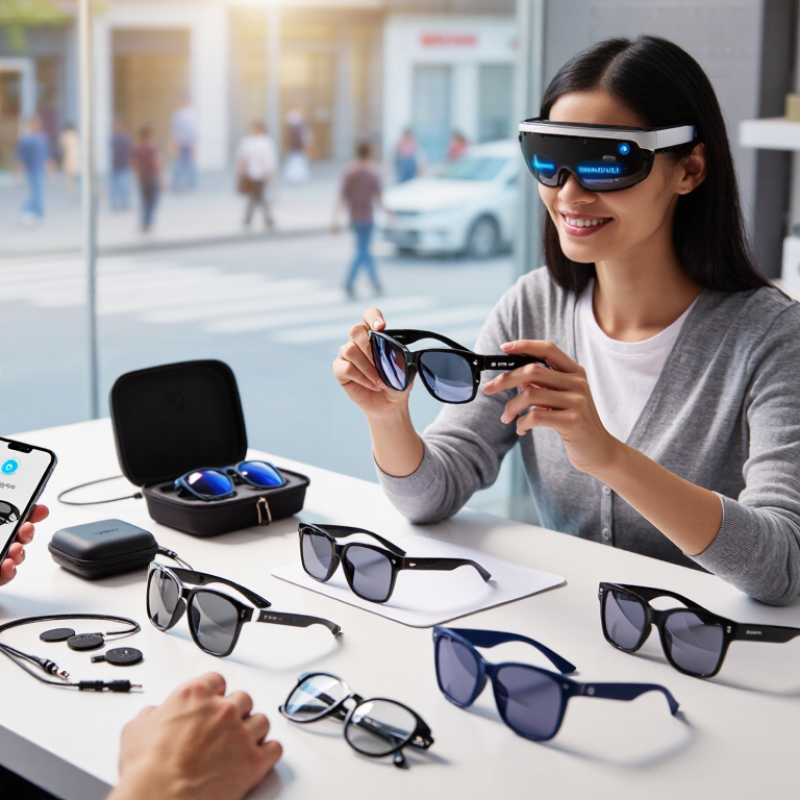
A wholesale plan should begin with the buyer, not a carton-size discount. Identify whether your customers are electronics retailers, optical shops, corporate buyers, or online sellers. Each group needs a different product mix. Optical shops may prioritize comfortable frames and clear lens options, while electronics retailers may ask about call quality, battery life, and phone compatibility. Start with evidence.
Estimate monthly demand, acceptable unit cost, and the price customers will actually pay. Then define practical requirements: frame sizes, available colors, packaging, replacement parts, and after-sales support. Ask suppliers for sample units and test them during real use. Check how the glasses fit after several hours, whether calls remain clear in a busy room, and how reliably they connect to common phones. Test in person.
Customer feedback matters more than a polished specification sheet. A short trial with shop staff or a small group of likely buyers can reveal pressure points, confusing controls, or weak demand. Forecasts are imperfect; an early estimate may miss the mark. Avoid ordering a broad range just to look well stocked. A focused assortment, based on clear customer needs and verified product performance, is easier to evaluate and replenish.
Compare Bluetooth Eyeglass Designs and Core Features
Bluetooth eyeglasses vary in frame shape, speaker placement, and everyday comfort. Open-ear temple speakers keep the ears uncovered, while directional speakers can sound clearer in noisy rooms but may add bulk. Fit matters. Check bridge width, hinge tension, nose-pad contact, and weight; a frame that slips during a short fitting may frustrate buyers after hours of wear. The Grand View Research smart glasses market report valued the global market at USD 1.93 billion in 2023 and projected 10.3% annual growth from 2024 to 2030. This covers smart glasses broadly, not Bluetooth eyewear alone, so it signals category interest rather than guaranteed wholesale demand.
Compare microphones, button placement, pairing stability, and battery performance alongside appearance. Ask suppliers for measured playback and call times, then test samples in a quiet office and beside ordinary street noise. Small details count. A recessed charging contact may be less exposed to dust, while awkward touch controls can trigger calls accidentally. Lens options and prescription compatibility also affect who can use a design. For wholesale evaluation, request consistent specifications across sample and production units, plus clear quality-check procedures. One sample is not proof; I have seen small hinge and fit differences change how a frame feels. A lower-cost model may still suit a price-focused range, but only if comfort and call quality hold up in repeat testing.
How to Choose Bluetooth Eyeglasses for Wholesale
Compare nominal Bluetooth radio data rates when evaluating connectivity. These are Bluetooth PHY rates, not guaranteed audio throughput or a measure of sound quality.
Wholesale tip: Radio rate alone does not determine product performance. Compare frame comfort and weight, battery life, microphone clarity, controls, water resistance, and compatibility with the phones your customers use. Confirm specifications and test samples before ordering.
Evaluate Connectivity, Audio Quality, and Device Compatibility
For wholesale Bluetooth eyeglasses, connectivity claims need practical testing. Check the Bluetooth version, supported profiles, multipoint behavior, and reconnection time after a phone leaves range. Bluetooth SIG’s 2024 Market Update projects 7.5 billion Bluetooth device shipments annually by 2028, including 3.4 billion audio-streaming devices. That scale makes compatibility a key purchasing consideration, but it does not guarantee a particular model will pair reliably.
Test samples with current and older phones across major operating systems. Pairing should be clear, and calls should reconnect without repeated resets. Check whether the glasses support common audio profiles and whether their controls work consistently for calls, music, and voice assistants.
Small details matter: a temple button should respond through a light press, not require a hard squeeze. Ask suppliers for a written compatibility list, then verify it yourself. Paper claims can miss real-world quirks.
Audio quality is more than volume. Listen in a quiet room and beside ordinary street noise; check speech clarity, microphone pickup, leakage, and delay during video playback. Bluetooth SIG’s report provides useful market context, not a product-level sound test. Request sample units from the production batch and compare them with the approved sample. One imperfect test is still informative: record where pairing or audio feels inconsistent, then ask the supplier to explain the cause and corrective action.
Check Product Quality, Safety Standards, and Supplier Reliability
For wholesale Bluetooth eyeglasses, inspect the product as both eyewear and electronics. Ask for sample units from the same production line proposed for your order. Check frame alignment, hinge resistance, lens clarity, and whether charging contacts sit flush. Play audio at a moderate volume, then test calls in a quiet room and near ordinary street noise.
Small faults show up quickly.
Ask suppliers for current test reports, not just claims in a catalog. Reports should identify the tested model and cover relevant electrical safety, battery, radio, and lens-performance checks. Verify lens UV-protection claims with measured results, and confirm that materials and test methods match the finished product.
Bluetooth SIG’s 2024 Market Update forecasts 7.6 billion Bluetooth device shipments annually by 2028.
That figure signals a crowded category, not proof that any pair is dependable. Request traceable batch records, a written defect policy, and clear replacement-part availability. I would also test several samples; one polished unit can hide uneven assembly. Realistically, no checklist catches every problem. Keep a few units for follow-up testing after delivery.
Compare Pricing, Order Terms, and After-Sales Support
For wholesale Bluetooth eyeglasses, compare the landed cost, not just the quoted unit price. Ask suppliers to separate frame cost, charging accessories, packaging, shipping, and sample fees. A lower quote may exclude freight or require a larger minimum order. Check tier pricing at realistic volumes, such as 100, 500, and 1,000 units. Details matter.
Read the order terms before paying a deposit. Confirm the minimum order, production lead time, payment schedule, and rules for changing colors or specifications. Ask how delays are reported and whether partial shipments are available. Request a written sample-approval process; a polished sample does not guarantee every production unit will match. Packaging dimensions and included cables matter, too. Small omissions can complicate fulfillment.
For after-sales support, ask about warranty duration, response times, and the evidence needed to report a fault. Find out whether replacement parts are available and who pays shipping for confirmed defects. Ask how support handles pairing problems across common phone systems, rather than assuming every device behaves alike. Get the process in writing. Support can be less tidy than a sales quotation suggests, so allow time to check the details before placing a large order.
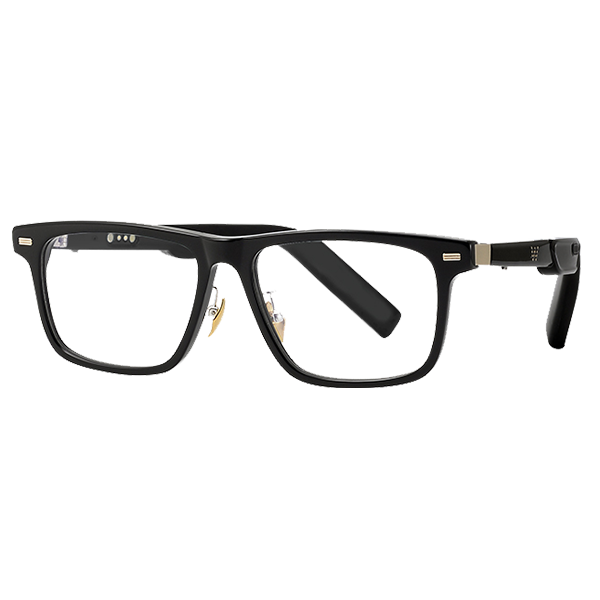 Smart Glasses
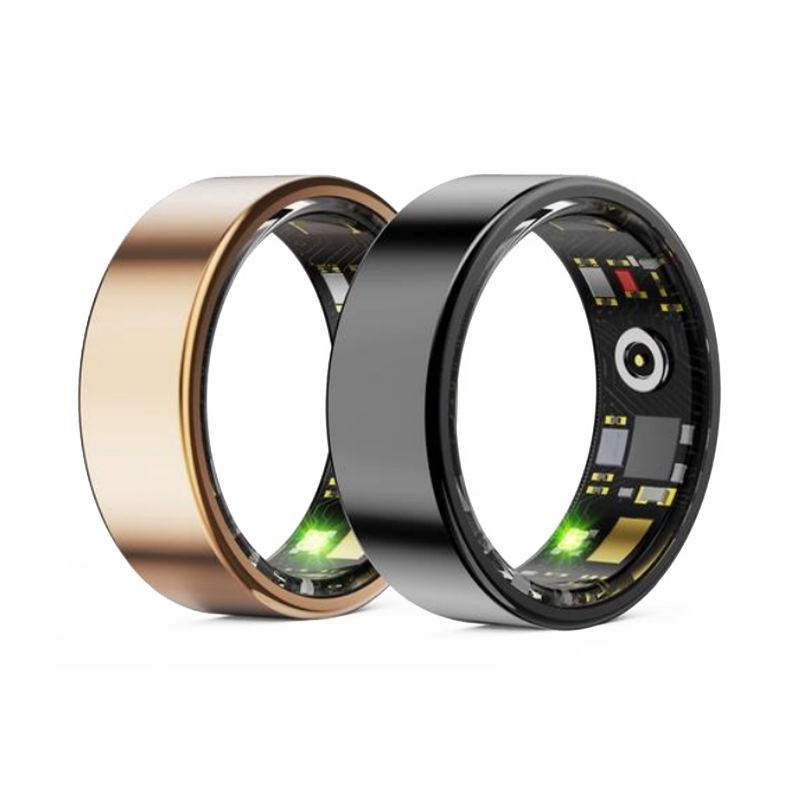 Smart Ring
 Smart Locator


 +86-13613020876

 CONTACT NUMBER
 CONTACT NUMBER