+86-13613020876


Choosing the best Hands-Free Smart Glasses for 2026 means looking beyond sleek frames and clever demos. The useful question is whether the glasses help during ordinary moments: checking a walking route, capturing a quick photo, or hearing a message while your hands are full. Comfort matters, too. A heavy frame can feel fine in a store and tiring after an afternoon outside.
Market growth suggests the category deserves attention, but it does not prove every model is worth buying. Counterpoint Research reported that global smart-glasses shipments rose 210% year over year in the first half of 2025. Meta accounted for about 73% of shipments, according to the same report. Those figures point to strong momentum, not universal satisfaction. Sales data cannot tell you whether voice controls work well in a noisy café or whether battery life lasts through a long commute.
This guide compares leading options by practical criteria: audio clarity, camera quality, comfort, battery life, privacy controls, and phone compatibility. We will distinguish features confirmed by manufacturers from claims that need real-world testing. Small details matter. Can you hear a podcast beside traffic? Do the frames stay secure when you turn your head? And can you use the core features without constant app setup? Some answers will depend on fit and personal habits. There is no perfect pair yet. That is worth remembering before paying a premium for a feature you may rarely use.
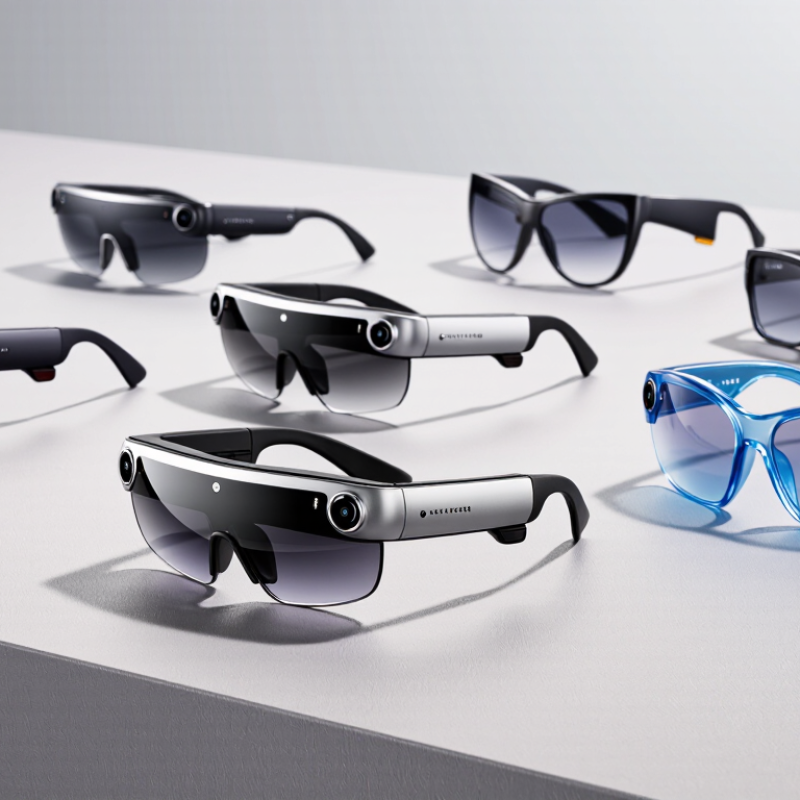
Hands-free smart glasses are eyewear with built-in microphones, speakers, and compact electronics. They let a wearer use voice commands or hear audio without holding a phone. A microphone captures speech, while software interprets the request and sends it to a connected device or online service. Small speakers, often near the ears, deliver replies while leaving the ears uncovered. Some designs also include a camera or a visible recording indicator. That matters.
The glasses usually connect to a phone through a wireless link, which may handle internet access, settings, and heavier processing. Voice recognition works best in a quiet room; traffic, wind, or a crowded café can make commands less reliable. Open-ear audio is convenient, but people nearby may hear it, and loud surroundings can drown it out. Hands-free does not mean attention-free: checking directions or notifications can still distract from walking. Battery life, fit, prescription compatibility, and clear privacy controls are worth checking before purchase. A small drawback is easy to overlook: saying a command aloud can feel awkward, even when the technology works as intended.
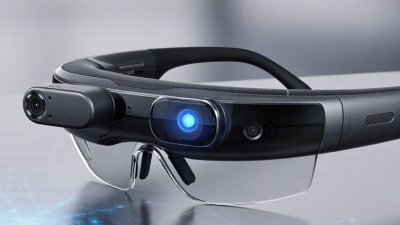
For hands-free smart glasses in 2026, comfort matters as much as computing power. A pair should sit securely without pressing behind the ears after an hour of walking or video calls. Comfort comes first. Check the frame’s weight, nose-pad fit, and balance; a slight forward tilt can become irritating by lunchtime. Controls should also work by voice or a discreet touch, even when the wearer’s hands are full.
Clear microphones are essential in a busy café or on a windy sidewalk. Look for noise reduction that keeps speech understandable without making voices sound harsh. Open-ear audio can help users notice nearby sounds, but it should remain clear at moderate volume. Small details matter. Battery life should cover a typical day, and charging should not require awkward accessories. If the glasses display directions or captions, check readability outdoors and whether the information blocks too much of the view.
Privacy and dependable software deserve equal attention. Useful features include an obvious recording indicator, understandable permission settings, and simple ways to delete stored recordings. Voice assistants should explain when a request needs an internet connection, rather than quietly failing. Try common tasks before choosing: dictate a short message, ask for walking directions, and make a call in a noisy room. Results can vary, and automated captions still miss names or accents. That limitation is easy to overlook. A clear update policy and compatibility with your phone may matter more than a long feature list.
Comfort, all-day battery life, and dependable hands-free controls lead this editorial feature assessment. Ratings are reasoned evaluations on a 0–10 scale, not results from a consumer survey; priorities can vary by use case.
Hands-free smart glasses differ less by headline features than by how naturally they fit a day. Compare frame weight, nose-pad pressure, and button reach after several hours, not just during a quick fitting. Microphone clarity matters on a windy sidewalk; open-ear speakers should remain intelligible without overpowering nearby conversation. Small details count.
Counterpoint Research reported that global smart-glasses shipments rose 210% year over year in the first half of 2024. That growth signals rising interest, not equal product quality. For 2026 shoppers, compare camera quality in dim rooms, voice-command accuracy in noisy cafés, battery life with frequent recording, and whether prescription lenses are supported. Check how clearly recording indicators appear, too. Trust matters.
Display-equipped models can show navigation or captions, but added optics may increase weight and drain power. Audio-first frames are often simpler for calls and reminders, though they cannot place visual directions in your line of sight. IDC’s headset forecasts track a broader category, so they should not be treated as direct smart-glasses sales data. That distinction is easy to miss. The best choice depends on actual routines: a commuter may value clear calls, while a cyclist may prioritize stable fit and glanceable directions. One compromise remains: compact frames rarely deliver every feature well.
Hands-free smart glasses are most useful when they remove a small interruption, not when they try to replace a phone. A spoken reminder while carrying groceries can help. So can a quick audio cue during a walk. But noisy streets make voice commands unreliable, and open-ear speakers may be hard to hear near traffic. That matters.
Comfort is less obvious in a product listing. Frames that feel light in a shop can press on the nose after an hour, especially over prescription lenses. Battery life also depends on use: frequent recording, calls, or navigation can drain a small device sooner than expected. Small annoyances accumulate. A touch control may trigger by accident when adjusting the frame, while physical buttons can be awkward with gloves. There is no perfect setup.
Privacy requires practical judgment, too. A camera can make nearby people uneasy, even when the wearer has a harmless reason to use it. Clear recording indicators and easy controls help, but they do not remove every social concern. Before choosing a pair, consider where you will wear it, whether the fit stays comfortable, and which features you will actually use. I would give extra weight to dependable controls and all-day comfort; flashy features are less valuable if the glasses spend the afternoon in a pocket.
Choosing hands-free smart glasses starts with your actual routine, not the longest feature list. For calls and navigation, prioritize clear speakers, reliable voice pickup, and controls you can use while walking. For all-day wear, check weight, nose-pad fit, prescription-lens options, and battery life with audio enabled. Small discomfort matters. A pair that pinches after twenty minutes may stay in its case. Grand View Research estimated the global smart-glasses market at about $1.93 billion in 2024 and projected 13% annual growth through 2030. That forecast signals a growing category, not proof that every model suits daily use.
Test the glasses in the places where you plan to wear them. Play a voice message in a noisy café, take a short call outdoors, and check whether commands work without repeating them. Ask how audio is routed, how recordings are indicated, and whether core features depend on a phone connection. Compare real-world battery tests, not just manufacturer estimates. Specs can mislead. Also consider repair support and replacement lens costs before buying. One compromise is hard to avoid: lighter frames may feel better, but offer less battery capacity or fewer controls. Try them on, if possible, and notice what feels awkward. That detail may matter more than a polished demo.