+86-13613020876


High Tech Glasses are no longer defined by polished frames alone. A useful pair must unite optical clarity, stable fit, dependable electronics, and practical software. For a fair comparison, this guide looks beyond product photos. It considers manufacturing capability, lens options, quality controls, customization, and after-sales support. Small details matter: a hinge that stays firm, a nose pad that does not slip, and a display that remains legible in daylight. These are tangible signs of thoughtful engineering.
Optical engineer Dr. Ming Zhao summarizes the standard this way: “The best smart eyewear makes its technology useful without making the wearer notice the effort.” That principle helps frame this overview of ten Chinese manufacturers. The companies may differ in scale, specialization, and export experience. Some focus on smart features; others build expertise in optical frames, precision components, or contract manufacturing. Buyers should verify certifications, production samples, and service terms directly with each supplier. A factory’s catalogue is not proof of consistent performance. No list can capture every strength—or every limitation. That is worth remembering.
This guide is intended as a starting point, not a substitute for technical due diligence. Compare specifications against your real use case, request clear documentation, and ask how suppliers handle defects and revisions. The right partner is not always the most visible one. Sometimes, the quieter factory deserves a closer look.
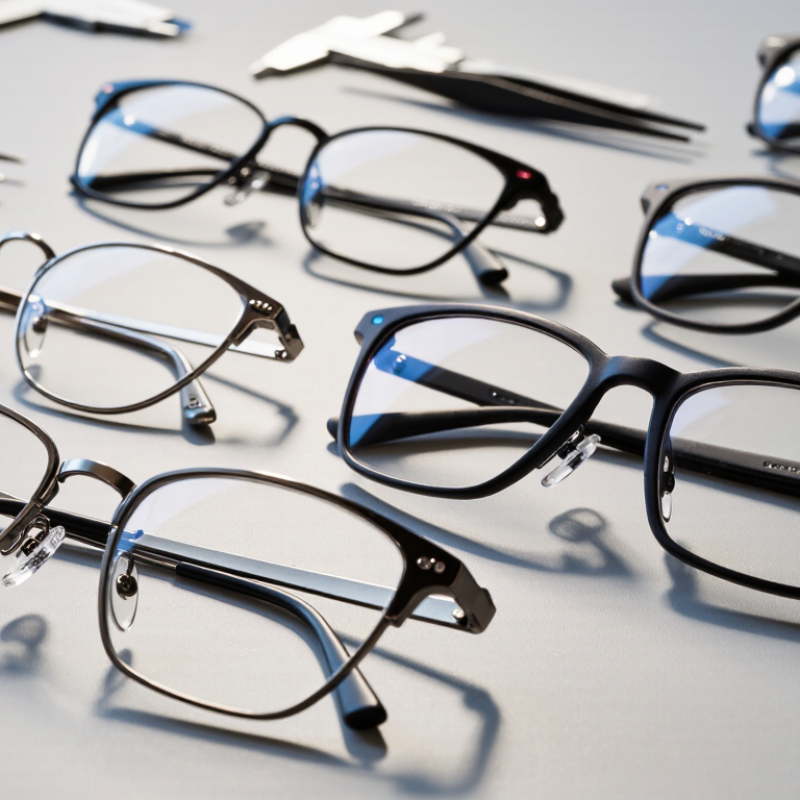
China’s high-tech glasses industry is moving beyond conventional optical eyewear toward connected, lightweight devices. Traditional manufacturing still matters: lenses need accurate optical power, coatings must remain even, and frames must fit comfortably. A frame may look simple, but hinge alignment and nose-bridge pressure affect daily wear. Small tolerances matter.
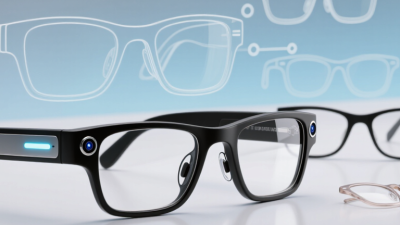
Smart glasses bring optical, electronic, and software components into one compact product. Cameras, microphones, displays, and batteries compete for space near the temples and lenses. The challenge is balancing weight, heat, battery life, and clear vision. In product testing, engineers may check whether a display remains legible outdoors and whether the frame stays comfortable after several hours. Not effortless. A technically impressive prototype can still feel awkward on the face.
For buyers comparing Chinese manufacturers, useful questions include how suppliers manage optical inspection, electronic assembly, and repeated wear testing. Ask for measurable specifications and sample evaluations, not just polished demonstrations. Manufacturing strength can vary between companies, and smart eyewear remains a changing field. Some designs may solve one problem while creating another, such as adding features that increase weight. That trade-off deserves closer attention.
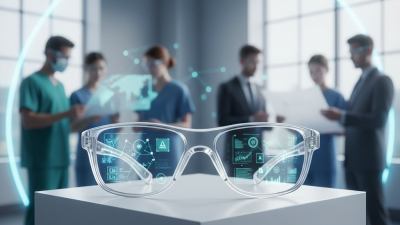
Top 10 High Tech Glasses Manufacturers in China
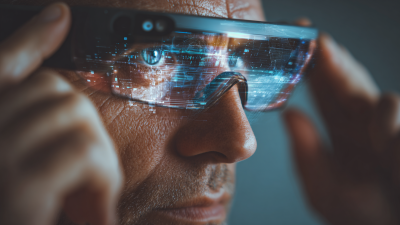
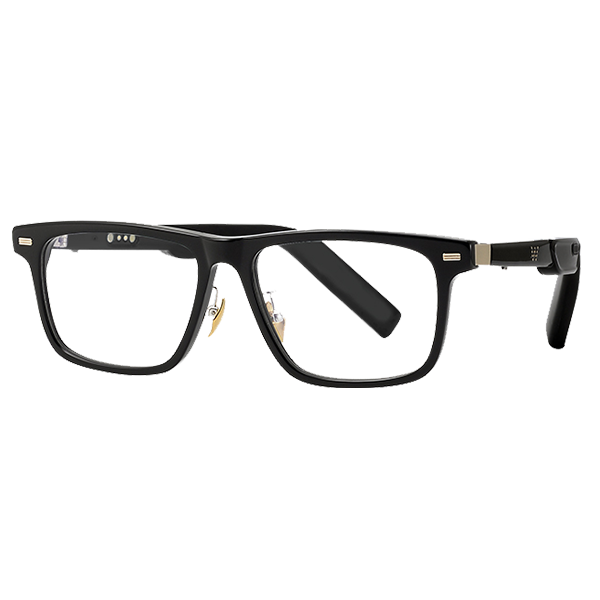
China’s high-tech glasses manufacturers work across several distinct product categories. AR glasses place digital prompts over a wearer’s view, so optical alignment and outdoor legibility matter. AI glasses often focus on voice interaction, microphones, cameras, and on-device processing. Display glasses prioritize a clear virtual screen for viewing content, while smart sunglasses combine everyday eyewear with audio or connected features. These categories overlap, but they are not interchangeable.
A capable manufacturer should explain how it tests each design. Ask about lens distortion, frame pressure, heat around the temples, battery life, and performance in bright sunlight. A sample can look impressive under showroom lighting. Real use is less forgiving. Check whether the factory can document assembly checks and repeatable quality controls, rather than relying on a polished prototype. Small details matter.
Product choices also involve trade-offs. A larger battery may add weight; a brighter display can increase power use. AI features depend on microphones and software, not just a fashionable frame. Manufacturers may offer customization, but changes to lenses, hinges, or electronics can affect comfort and reliability. Buyers should request clear specifications and test samples in realistic conditions. Some decisions remain imperfect, and fit can vary between users.
An anonymized industry capability map, not a verified company ranking. Entries describe product and manufacturing specializations; no company or brand names are included.
| No. | Manufacturer Profile | Main Product Type | Typical Optical or Display Approach | Manufacturing Focus | Relevant Validation Areas |
|---|---|---|---|---|---|
| 01 | Waveguide AR specialist | AR glasses | Optical waveguide combiner with a microdisplay light engine | Waveguide alignment, optical bonding, display calibration, and frame integration | Field of view, eye box, image uniformity, optical distortion, and thermal performance |
| 02 | Birdbath-optics AR specialist | AR glasses | Reflective combiner optics paired with a near-eye display | Lens and combiner assembly, stray-light control, and optical alignment | Image clarity, reflections, binocular alignment, fit, and mechanical durability |
| 03 | AI audio-glasses specialist | AI glasses | Display-free frame with microphones, speakers, and wireless connectivity | Acoustic tuning, microphone placement, battery integration, and lightweight assembly | Voice pickup, speaker leakage, battery safety, wireless performance, and comfort |
| 04 | Camera-enabled smart-glasses specialist | AI glasses | Camera and onboard sensors in a conventional eyewear form factor | Camera module placement, image processing, thermal design, and privacy indicators | Image quality, camera alignment, heat dissipation, recording indication, and drop resistance |
| 05 | Microdisplay integration specialist | Display glasses | Near-eye microdisplay with a compact optical engine | Display-module assembly, lens calibration, signal interfaces, and cable routing | Resolution, brightness, refresh behavior, pixel defects, and image stability |
| 06 | Prescription-ready smart-eyewear specialist | AI glasses and AR glasses | Electronics integrated with prescription-compatible lenses and frames | Lens-frame compatibility, hinge design, weight distribution, and assembly tolerance | Fit, optical prescription compatibility, frame strength, and component clearance |
| 07 | Outdoor display-eyewear specialist | Display glasses | Near-eye display designed for media viewing and portable-device connection | Optical module assembly, connector durability, nose-pad options, and cable management | Visual comfort, fit, connection reliability, and applicable electrical safety |
| 08 | Photochromic smart-sunglasses specialist | Smart sunglasses | Tinted or photochromic lenses with embedded audio or connected functions | Lens processing, coatings, frame electronics, and outdoor-use assembly | UV protection claims, lens transmission, coating durability, and weather resistance |
| 09 | Connected sports-eyewear specialist | Smart sunglasses and AI glasses | Display-free eyewear with sensors, audio, or activity-related connectivity | Secure electronics mounting, sweat-resistant construction, and stable fit | Sweat exposure, impact resistance, sensor function, and wireless reliability |
| 10 | Integrated smart-eyewear ODM | AR glasses, AI glasses, display glasses, and smart sunglasses | Product-dependent combination of optics, cameras, audio, sensors, and wireless electronics | Design-for-manufacture, component sourcing, prototype builds, and production testing | Applicable electrical safety, photobiological safety, wireless, durability, and environmental tests |
Validation requirements depend on product design and target market. Relevant standards may include IEC 62368-1 for audio/video and information technology equipment safety, IEC 62471 for photobiological safety of lamps and lamp systems, and IEC 60529 when an IP enclosure rating is claimed.
Comparing high-tech glasses manufacturers takes more than reading product specifications. Ask for a working sample and test it in ordinary indoor and outdoor settings. Check display brightness, text clarity, field of view, and reflections near a window. A bright display may still feel tiring after ten minutes. Small details matter.
Inspect optical performance for edge distortion, color shifts, and alignment between the image and the wearer’s view. For connectivity, test pairing speed, audio delay, and stability while moving between rooms. A quiet showroom can hide dropouts. Repeat the test near common wireless devices, and ask which phones and operating systems were used.
Battery life should be measured during realistic use, not only standby. Record screen-on time, charging duration, and performance after repeated use. Comfort and build quality deserve equal attention: note frame weight, nose-pad pressure, hinge movement, and heat after a short session. Finally, review software update procedures, quality-control records, warranty terms, and access to replacement parts. A polished demonstration can hide uneven production, so request test results from more than one unit. Some comparisons remain subjective; record who tested each sample and under what conditions.
China’s high-tech glasses manufacturers serve several distinct markets, from prescription eyewear to sports glasses and connected devices. Their products differ in more than appearance. Frame weight, hinge durability, lens clarity, and fit all affect daily use. Some factories focus on large-volume production, while others handle smaller custom runs. That distinction matters.
Technology choices shape each product. Optical workshops may use digital lens measurement, precision edging, and coatings that reduce glare or resist scratches. Smart-glasses production adds components such as miniature displays, microphones, batteries, and wireless modules. These parts must fit without making the frame uncomfortable. A neat prototype is not enough. Test comfort over several hours.
Manufacturers also serve domestic retailers, overseas distributors, and specialist buyers, each with different expectations for packaging, sizing, and product documentation. Buyers can compare sample consistency, inspection records, and material specifications before placing larger orders. A factory’s stated capability should be checked against actual samples; marketing language alone proves little. One overlooked issue is repairability. Small electronic parts can be difficult to replace, and even a well-made frame may become less useful if support is limited. The market keeps moving, but not every new feature improves the wearer’s experience.
Industry Benchmarks: ISO 12312-1, IEC 62368-1, and UV400 Protection (up to 400 nm)
When evaluating high-tech glasses manufacturers in China, look beyond product photos and quoted specifications. ISO 12312-1 is a useful benchmark for sunglasses and related eyewear, including requirements for optical performance and sun-glare protection. Ask for test reports that identify the exact model and lens configuration. A report for one tint may not cover another.
For glasses with cameras, displays, batteries, or wireless features, IEC 62368-1 may be relevant to assessing electrical and fire-related safety. Its applicability depends on the product design and intended use, so confirm the scope with a qualified testing laboratory. UV400 generally indicates protection against ultraviolet radiation up to 400 nm. Request test evidence for the finished lenses, not just a material claim. Small details matter: lens coatings, frame fit, and production changes can affect the final product.
Tips: Request dated, model-specific reports and check who issued them. Confirm UV performance across the lens, including near the edges. Ask how changes in materials or suppliers are controlled. A neat certificate can look reassuring, but it may leave gaps. That is worth questioning.