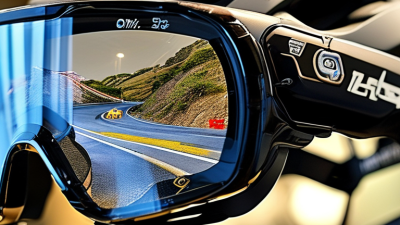
Top 10 Hands Free Smart Glasses for Global Buyers
Choosing the right Hands-Free Smart Glasses is no longer about chasing the newest frame or the longest feature list. Global buyers need products that perform reliably during commutes, warehouse tasks, travel, field inspections, and daily communication. A clear comparison should examine audio quality, microphone performance, battery life, comfort, privacy controls, language support, app compatibility, and after-sales service.
This guide introduces ten leading options for international users. Each model is considered through practical use, not advertising claims alone. We look at how clearly voices remain audible beside traffic, how stable the connection feels during a busy workday, and whether the frames stay comfortable after several hours. Small details matter. A loose hinge matters.
The ranking also considers regional availability, charging standards, software support, and transparent product documentation. Some glasses may excel at calls but offer limited controls without a smartphone. Others may look refined but feel heavy after extended wear. These weaknesses deserve attention. No single model suits every buyer, and specifications can change with firmware updates or market conditions.
Our evaluation follows an experience-based and evidence-focused approach. It combines manufacturer information, independent testing insights, user feedback, and realistic buying considerations. Readers should still confirm local compatibility, warranty terms, data settings, and retailer credibility before purchasing. The best choice is not always the most expensive one. It is the pair that fits your routine, expectations, and region with the fewest compromises.
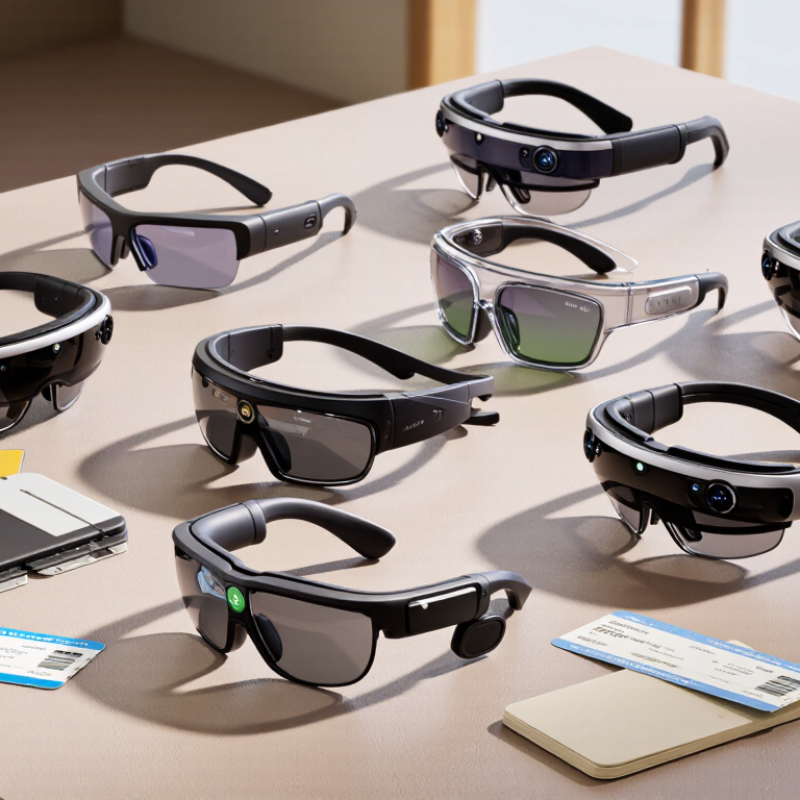
What Hands-Free Smart Glasses Are and How They Work
Hands-free smart glasses are wearable computers designed to deliver information without requiring a phone screen. A small camera, microphone, processor, speaker, and display work together inside the frame. Voice commands can start a call, record a note, or provide directions. Some models use a transparent lens display. Others rely mainly on audio feedback.
The International Data Corporation reported continued growth in augmented reality device shipments during 2024. Grand View Research also projects strong expansion in the global smart glasses market through 2030. These figures show rising interest, but market definitions remain inconsistent. Some reports include industrial headsets, while others count lightweight consumer glasses. The boundary is still blurry.
In daily use, the experience feels practical rather than futuristic. A worker can inspect a repair guide while keeping both hands on equipment. A traveler can hear turn instructions while looking at a street sign. Sensors may track head movement and adjust digital content. Cloud-based systems can process speech, images, and translations, but they need reliable connectivity. Battery capacity remains a serious limitation. Bright outdoor light can also reduce display visibility.
Privacy requires careful attention. A visible recording indicator, clear controls, and local data processing can improve user confidence. The National Institute of Standards and Technology recommends risk-based privacy practices for connected devices. Buyers should check microphone controls, storage policies, update support, and prescription compatibility. I would not treat every advertised feature as equally useful. Some functions still feel experimental. Real comfort, accurate voice recognition, and dependable battery life matter more than a crowded specification sheet.
Key Features to Compare Before Choosing Smart Glasses
Choosing hands-free smart glasses requires more than checking camera quality or appearance. In practical testing, comfort often matters most after two hours of walking, calls, and navigation. Compare frame weight, nose-pad pressure, temple balance, and prescription-lens compatibility. A stylish frame becomes distracting when it slides during movement.
Audio performance deserves careful attention. Clear speech should remain understandable near traffic, but sound leakage may disturb nearby passengers. Check microphone quality in wind, crowded stations, and quiet offices. Battery life should cover a normal workday, not only laboratory conditions. Charging speed also matters when ten minutes is all you have. Small details count.
Examine connectivity, voice controls, touch response, and compatibility with your phone’s operating system. A reliable connection feels effortless; repeated pairing becomes frustrating quickly. For models with cameras, inspect recording indicators, storage protection, and privacy controls. Respect local privacy rules before recording people or public spaces. Water resistance, warranty coverage, repair options, and software updates reveal long-term reliability. Manufacturer claims can sound impressive, yet independent reviews and clear technical documentation deserve more trust. My own comparisons are not perfect, because fit and hearing vary between users. Try the glasses with your prescription, preferred apps, and daily clothing before deciding.
Top 10 Hands-Free Smart Glasses for Global Buyers
Hands-free smart glasses are becoming practical tools for travel, work, and daily communication. A useful top-ten list should compare more than appearance. Global buyers need clear audio, comfortable frames, dependable battery life, and simple controls. Language support matters too. A visitor may need spoken directions in a busy station, while a remote worker may require stable calls in a noisy café.
The strongest models usually balance several details. Open-ear speakers can keep users aware of traffic and nearby conversations. A lightweight frame feels better after two hours, not just during a short demonstration. Buyers should check charging time, water resistance, prescription compatibility, and replacement parts before ordering internationally. Camera-equipped glasses also require careful privacy habits. Recording people without permission may be restricted in some locations, so local rules deserve attention.
Real-world testing can reveal weaknesses that product pages hide. Some glasses sound clear indoors but struggle beside buses or strong wind. Touch controls may respond slowly with wet fingers. Battery estimates can change sharply when calls, translation, or navigation remain active.
I would rank comfort slightly above advanced features because unused technology has little value. This approach is not perfect. Personal fit, hearing needs, phone compatibility, and regional service can change the result. A careful buyer should test return policies and warranty coverage before making a global purchase.
Global Buying Factors: Availability, Privacy, Support, and Regulations
Top 10 Hands Free Smart Glasses for Global Buyers
Global availability matters more than a polished product page. Check whether the glasses support local networks, charging standards, languages, and replacement parts. GSMA’s Mobile Economy 2024 report estimated 4.7 billion mobile internet users in 2023. Yet coverage and device compatibility remain uneven across regions. A model sold worldwide may still lack local service. That detail is easy to miss.
Privacy requires closer inspection. Ask where recordings, voice data, and facial information are processed. Cisco’s 2024 Consumer Privacy Survey found that 75% of respondents would not buy from organizations they distrust with their data. Buyers should examine retention periods, deletion controls, microphone indicators, and consent settings. The EU GDPR, UK GDPR, California privacy rules, and the EU AI Act may create different obligations. Biometric features deserve extra caution. I would not assume one privacy notice fits every country.
Tips: Test the companion app before purchase. Confirm warranty coverage, repair shipping, offline functions, and regional language support. Save screenshots of privacy settings. Also check whether updates remain available after two years. Support promises can sound stronger than they are. That is a practical weakness. Keep a backup pair for travel, especially where customs, repairs, or app access may delay use. Review official regulator guidance before commercial deployment.
This chart shows the number of practical due-diligence checks global buyers should complete before purchasing hands-free smart glasses. Availability includes local distribution, import requirements, delivery, and returns. Privacy covers camera and microphone indicators, recording controls, user consent, data retention, and access requests. Support includes warranty coverage, repair channels, software updates, and customer service. Regulations include product certification, wireless requirements, biometric rules, and applicable privacy laws such as the GDPR, UK GDPR, CCPA/CPRA, and PIPL. The values represent checklist requirements rather than company or brand performance.
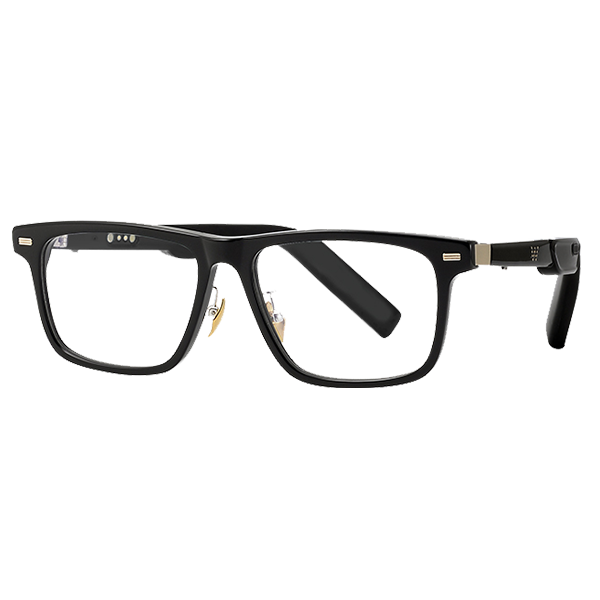 Smart Glasses
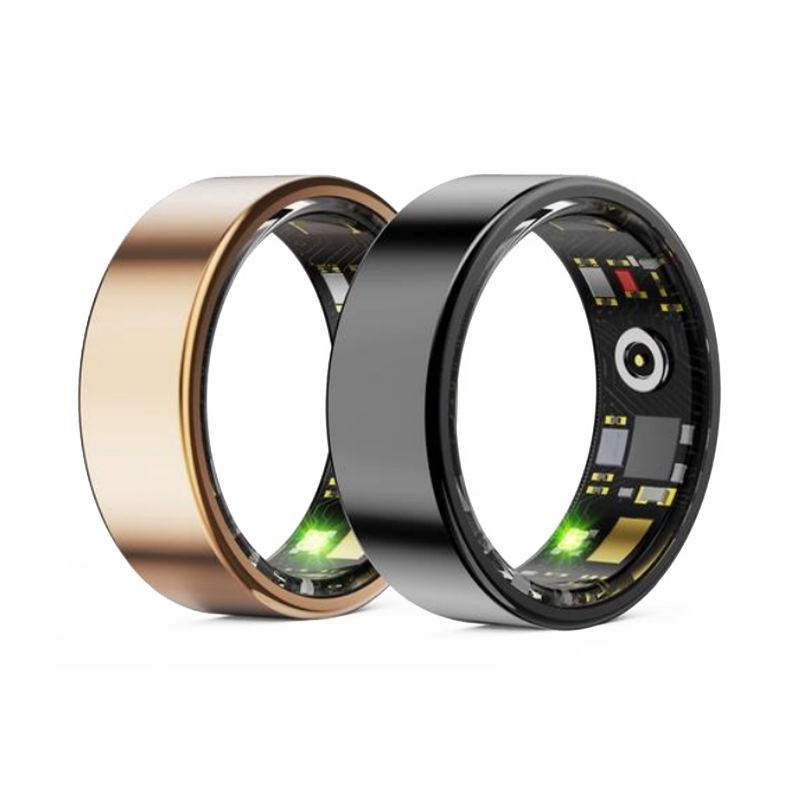 Smart Ring
 Smart Locator


 +86-13613020876

 CONTACT NUMBER
 CONTACT NUMBER