+86-13613020876


Glasses With Speakers are moving from novelty to everyday gear, combining open-ear audio with familiar eyewear. The appeal is easy to picture: music during a walk, a call while carrying groceries, and no earbuds to misplace. Yet convenience does not guarantee clear sound, privacy, or a comfortable fit. Small details matter.
The market is growing, but category-wide figures need careful reading. Grand View Research valued the global smart-glasses market at $1.93 billion in 2024 and projected a 13.2% compound annual growth rate from 2025 to 2030. That estimate covers smart glasses broadly, not speaker-equipped models alone. It signals momentum, not proof that every new pair is worth buying. Mark Zuckerberg, Meta’s CEO, described glasses as “the ideal form factor for letting AI see what you see and hear what you hear” at Meta Connect 2024. That comment reflects the wider smart-glasses vision; it is not an independent test of audio quality.
This 2026 buyer’s guide focuses on what shoppers can actually assess: sound leakage, microphone clarity, battery life, weight, lens options, and phone compatibility. A spec sheet can look impressive. A noisy street may tell a different story. We compare practical trade-offs and flag where evidence is limited, because speaker glasses still vary sharply in fit and performance. The best pair is not necessarily the loudest. It should suit your routine without making ordinary listening feel awkward.
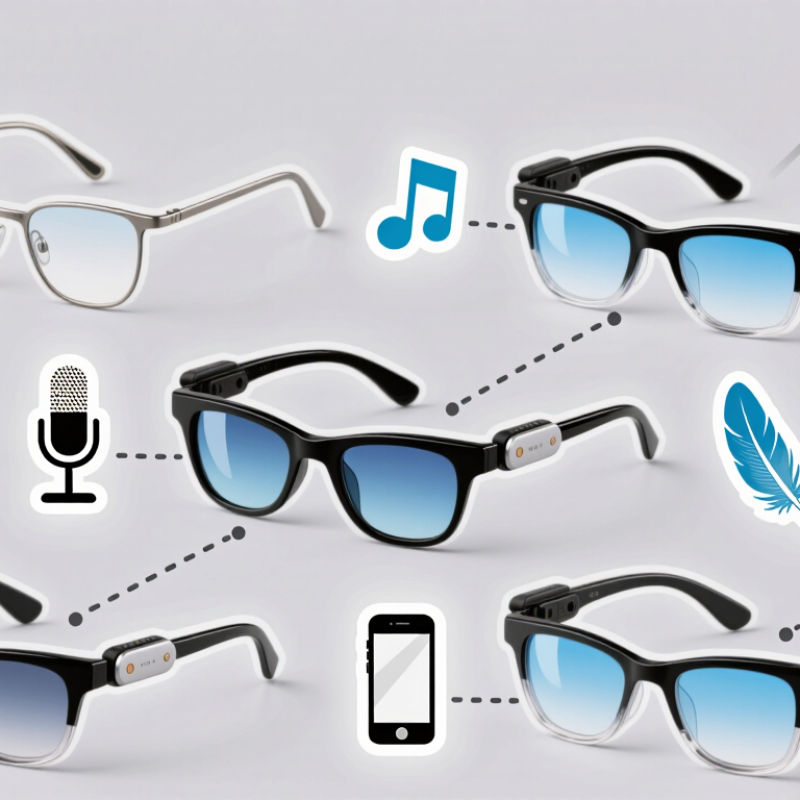
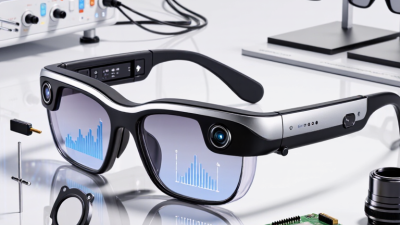
Speaker-enabled glasses place miniature audio drivers inside the temples, the arms that rest beside your ears. Instead of covering your ears, they send sound toward them from a short distance. The effect is subtle. You might hear a navigation prompt while walking or take a call without holding a phone. A wireless connection, usually Bluetooth, links the glasses to a phone or another compatible device. Small microphones capture your voice, while buttons or touch-sensitive areas manage playback and calls.
They are not simply ordinary glasses with hidden headphones. Open-ear designs let nearby sounds remain audible, though they do not guarantee awareness in every setting. At a quiet desk, audio may seem clear; beside traffic, it can be harder to follow. Sound may also leak to someone sitting close by. That matters. Battery size, frame fit, lens options, and speaker placement all affect daily comfort and usefulness. Specifications can help, but real listening conditions vary. I would not expect rich, room-filling bass from such small drivers; that expectation may be a little unfair, yet it keeps the comparison honest. Try to judge them with the kind of calls, prompts, and music you actually use.
Speaker-enabled glasses receive audio wirelessly, typically over Bluetooth, and play it through small speakers built into the frames. These ranges provide general audio context—not a specification of any particular pair of glasses. Voice frequency varies considerably between speakers.
For glasses with speakers, sound quality depends less on bass-heavy claims than on clear voices and controlled leakage. In a quiet kitchen, speech should stay intelligible without forcing the wearer to raise volume. WHO and ITU’s 2022 Global Standard for Safe Listening Devices recommends an adult sound allowance of 80 decibels for 40 hours weekly. Look for volume controls and sound-dose alerts. Fit matters.
Open-ear speakers can make traffic and conversation easier to notice, but noisy streets may tempt users to turn them up. The Vision Council’s 2024 consumer research reports that about three-quarters of U.S. adults use some form of vision correction. That makes prescription compatibility, lens options, and balanced weight practical essentials, not extras. Check whether the frame presses behind the ears after an hour. A slight pinch can become distracting.
Battery life should be tested with calls and music, not only standby claims. Microphone clarity matters in wind, while touch controls should work without repeated tapping. Sweat resistance helps on a walk, though it does not mean every pair suits heavy rain. Hinges, charging contacts, and replacement nose pads deserve a close look. They’re easy to overlook. One caveat: open-ear sound can feel private indoors, yet leak in a quiet room. Try the glasses at your usual listening volume before deciding.
Choosing speaker glasses starts with where you will use them. For quiet desk work, prioritize clear voices at low volume and a stable fit over heavy bass. On a busy street, open speakers may struggle against traffic noise, and raising volume can reduce awareness of nearby sounds. WHO and ITU’s safe-listening standard sets a reference exposure of 80 dB for up to 40 hours weekly for adults using personal audio devices. Speaker glasses are not identical to headphones, so treat that figure as a caution, not a guaranteed safe limit. Keep volume modest.
Comfort matters during a full commute. Check frame weight, pressure at the temples, lens options, microphone clarity, and whether controls work without looking. For calls, test speech in a breezy place, not only a quiet shop. Battery claims also need context: frequent calls and high volume may shorten real-world use. Small details count.
The WHO’s 2021 World Report on Hearing estimates that nearly 2.5 billion people may have some degree of hearing loss by 2050. That makes listening habits worth considering alongside convenience. Ask whether you need discreet audio, hands-free calls, or all-day wear; one pair may not serve every task well. Fit is personal, and a frame that feels fine for five minutes can become irritating after an hour. Check return terms before buying.
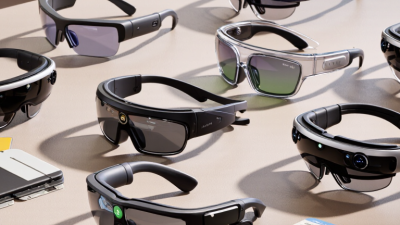
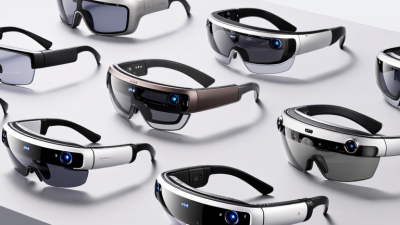
In 2026, buyers can compare speaker glasses by how and where they plan to wear them. Open-ear sunglasses suit walks and outdoor errands, with small speakers directing sound toward the ears while leaving the surrounding environment audible. They are not a replacement for careful listening in busy traffic. Fit matters: loose arms can shift when you turn your head.
Clear-lens everyday frames offer a less sporty look for commuting, desk work, or hands-free calls. Check whether the lenses can be replaced or fitted with a prescription, and test the buttons before buying. Tiny controls can be awkward. Microphone quality also varies with wind and background noise, so a quiet-room demo may not tell the whole story.
For exercise, sturdier sport-focused frames may provide a more secure fit and some resistance to sweat. Look for published water-resistance details rather than assuming every frame is workout-ready. Battery life depends on volume, calls, and usage, so treat advertised figures as estimates. Sound leakage is another practical concern: people nearby may hear more than expected in a quiet room. That can be annoying. I would compare comfort after several minutes, not just judge the frame by its display-case feel.
| Type | How the Audio Works | Best Suited To | Potential Advantages | Points to Check Before Buying |
|---|---|---|---|---|
| Open-ear speaker glasses | Small speakers in or near the temples direct sound toward the ears without covering them. | Calls, podcasts, navigation prompts, and casual listening while staying aware of nearby sounds. | No earbuds to insert; ears remain uncovered; convenient for short listening sessions. | Sound may be audible to people nearby, especially at higher volume. Check speaker position, call-microphone quality, and fit. |
| Bone-conduction audio glasses | Transducers rest against the head and send vibrations through the bones around the ear. | Listeners who prefer to keep the ear canal unobstructed during low-volume audio use. | Leaves the ear canal open and can be useful when awareness of the surroundings matters. | Fit and contact pressure affect comfort and sound. Bass response and audio character can differ from conventional speakers; try them on if possible. |
| Sport-oriented speaker glasses | Usually use open-ear speakers or, in some designs, bone-conduction transducers. | Walking, cycling in permitted settings, and other activities where open-ear listening is appropriate. | May offer a more secure fit or materials suited to active use. | Check fit stability, sweat and water-resistance rating, controls, and local rules for listening while cycling or driving. A rating does not mean the glasses are waterproof beyond its stated limits. |
| Prescription-compatible speaker glasses | Audio components are built into the frame; prescription lenses may be supplied or fitted separately, depending on the design. | Buyers who need corrective lenses and want audio in their everyday eyewear. | Can combine vision correction and audio in one frame. | Confirm prescription range, lens availability, frame measurements, lens replacement options, and whether fitting must be done by an optical professional. |
| Audio glasses with companion smart features | Temple speakers are paired with a phone and may be supported by controls or a companion app. | Hands-free calls, voice-assistant access, and audio controls without a separate headset. | Convenient access to phone functions while the glasses are worn. | Check phone compatibility, app requirements, privacy settings, software support, and whether core audio functions work without an account or app. |
Buying note: Battery life, sound quality, microphone performance, connectivity, weight, and available lens options vary by model. Compare the manufacturer’s published specifications and test fit and sound where possible. Open-ear designs do not provide hearing protection, and audio can still distract you from traffic or other hazards.
A comfortable pair should sit level without pinching behind the ears. Speakers add weight, so test the frame for ten minutes, not ten seconds. Walk, turn your head, and check whether sound leaks toward nearby people. Small details matter: temples should not press on prescription frames, and controls should remain easy to reach. Fit is personal; a frame that feels fine at a desk may slip outdoors.
Compatibility deserves a real check. The Bluetooth SIG’s 2024 Market Update projected 7.6 billion annual Bluetooth device shipments by 2028, but that broad growth does not guarantee every feature works with every phone. Confirm operating-system support, call controls, multipoint pairing, and charging method before buying. Test a call in a quiet room, then near traffic noise. Sound can disappoint. I would also check whether firmware updates require an app you are willing to keep.
Privacy is part of the fit. Pew Research Center found in 2019 that 81% of U.S. adults felt the risks of companies collecting data outweighed the benefits. Review microphone permissions, voice-assistant settings, and whether recordings are stored. For care, wipe lenses with a clean microfiber cloth and keep the frame away from heat and moisture. Follow the maker’s cleaning instructions; speaker openings are easy to damage. I still find care guidance vague on some products. That should give buyers pause.