How to Choose Smart Audio Glasses for Your Business?
Choosing Smart Audio Glasses for your business means looking beyond appearance. The right pair should support real tasks without adding friction to a workday. A field technician may need clear calls while keeping both hands free. A retail employee may value quick access to instructions, while a manager may need reliable audio during travel. Different roles demand different features. There is no universal best choice.
Start by identifying where and how employees will use the glasses. Check fit, weight, sound clarity, microphone performance, battery life, and compatibility with existing phones or business software. Small details matter: a frame that presses behind the ears can become distracting during a long shift. Review the manufacturer’s specifications, warranty, support options, and guidance on workplace privacy. Then test shortlisted models in the actual environment, including noisy areas and common call locations. A product demo may not reveal every weakness.
Keep expectations grounded. Smart Audio Glasses can make some routine tasks more convenient, but they will not fix unclear processes or replace every headset. The best choice depends on employees, workflows, and budget. Ask staff what feels useful, and what does not. A short pilot can expose problems before a larger purchase, though even a successful trial may not predict every use case. This guide outlines practical criteria for comparing options, evaluating trade-offs, and making a decision your team can review with confidence.
Define Business Needs and Use Cases for Smart Audio Glasses
How to Choose Smart Audio Glasses for Your Business?
Define Business Needs and Use Cases for Smart Audio Glasses
Start with the work, not the device. Identify who needs audio support, where they work, and what slows them down. A technician may need spoken repair steps while keeping both hands free. A delivery coordinator may need quick call updates between stops. List the task, setting, and expected benefit for each role. “Better communication” is too vague to guide a purchase.
Consider the environment carefully. Background noise, long shifts, safety equipment, and frequent movement can affect comfort and usefulness. Ask employees to try the glasses during a real shift, not just in a quiet meeting room. Test voice clarity, battery life, fit, and connection reliability. Test it live. Also check whether the glasses work with existing phones or business software. Confirm what audio or other data is collected, where it is processed, and how long it is retained.
Set a small, measurable goal for a pilot, such as reducing repeated phone checks or speeding up routine updates. Ask users what felt awkward, distracting, or unnecessary. Some workers may prefer a headset or a simple phone notification. That matters. A pilot can expose needs the planning team missed, and the first use case may not be the best one. Revise the plan before expanding deployment.
Compare Audio, Connectivity, Battery Life, and Controls
Choose audio glasses by testing them where employees will actually work: beside ventilation, in a quiet meeting room, and outdoors. Listen for clear speech, not just rich music. Counterpoint Research reported that global smart-glasses shipments rose 73% year over year in the first half of 2024. That points to growing interest, but shipment growth says little about call quality. Try the glasses with your team’s phones and laptops. Walk between rooms, make a call, and check how quickly the connection returns after a drop. Small delays matter.
Battery claims need context. Ask for separate runtimes for calls and music, then test a full workday at realistic volume. A headset that lasts through a playlist may not last through back-to-back calls. Bluetooth SIG’s 2024 Market Update projects 3.4 billion annual Bluetooth audio-streaming device shipments by 2028, about 1.5 times the 2023 volume. A broad ecosystem helps, but does not guarantee smooth pairing. Check controls, too: can staff pause audio or adjust volume with one hand, without looking down? Test them while wearing gloves if the job requires it. Voice commands can be awkward in a busy office. Specs are useful, but field tests often reveal the less tidy truth.
Evaluate Compatibility, Privacy, and Data Security
Smart audio glasses should fit your existing devices before they enter daily work. Test them with company phones, operating systems, meeting apps, and mobile-device management tools. Check call controls, audio routing, update support, and whether administrators can disable lost devices. Small pairing failures become real workflow friction.
Privacy needs a physical test. Ask where voice recordings, transcripts, and diagnostic logs are stored, who can access them, and how long they remain. Check whether the microphone has a clear active indicator and whether recording can be disabled quickly. A directional microphone is not a privacy guarantee. In a pilot, try the glasses in a quiet office and beside a busy reception desk. Listen for sound leakage and accidental voice pickup. Imperfect tests still reveal useful gaps.
Security claims need evidence. Request encryption details, access-control documentation, vulnerability reporting procedures, and a clear update schedule. IBM’s 2024 Cost of a Data Breach Report put the global average breach cost at US$4.88 million. Verizon’s 2024 Data Breach Investigations Report found a human element in 68% of breaches. These figures are not specific to audio glasses, but they underline the value of careful access and staff training. I would not rely on a polished checklist alone; cloud processing and settings can change, so review them again after deployment.
Assess Comfort, Durability, and Workplace Suitability
When evaluating smart audio glasses, wear them through a realistic work block, not just a quick fitting. Check pressure behind the ears, nose-pad grip, and whether the frames shift when you look down at a screen. Small discomfort grows over a long shift. The 2023 Work Trend Index, drawing on 31,000 workers across 31 markets, found that 68% lacked uninterrupted focus time. Audio glasses may help with brief calls or spoken instructions, but they can also add distraction.
Durability is practical, not cosmetic. Test the hinges, charging contacts, and fit after repeated removal; ask how the device handles sweat, dust, and routine cleaning. A loose frame on a warehouse floor is more than an annoyance. NIOSH recommends limiting occupational noise exposure to 85 dBA over eight hours, using a 3-dB exchange rate. Open-ear audio does not replace hearing protection, and volume controls should be easy to reach.
Workplace suitability depends on the task and the people nearby. In a quiet office, audible calls may expose private details; in a noisy workspace, speech may be hard to understand. Try the glasses during a real shift, with coworkers’ feedback, before issuing them widely. This trial can reveal an awkward truth: one frame rarely fits everyone. Keep a fallback headset available, and confirm that staff can use the glasses without losing awareness of alarms or instructions.
 Smart Glasses
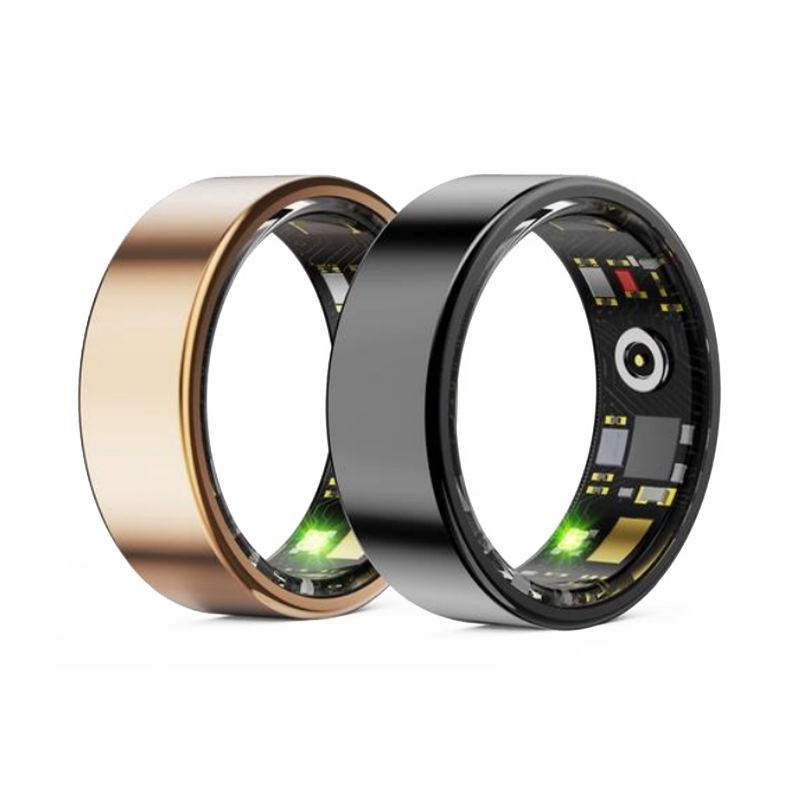 Smart Ring
 Smart Locator


 +86-13613020876

 CONTACT NUMBER
 CONTACT NUMBER